France
Moustiers-Sainte-Marie
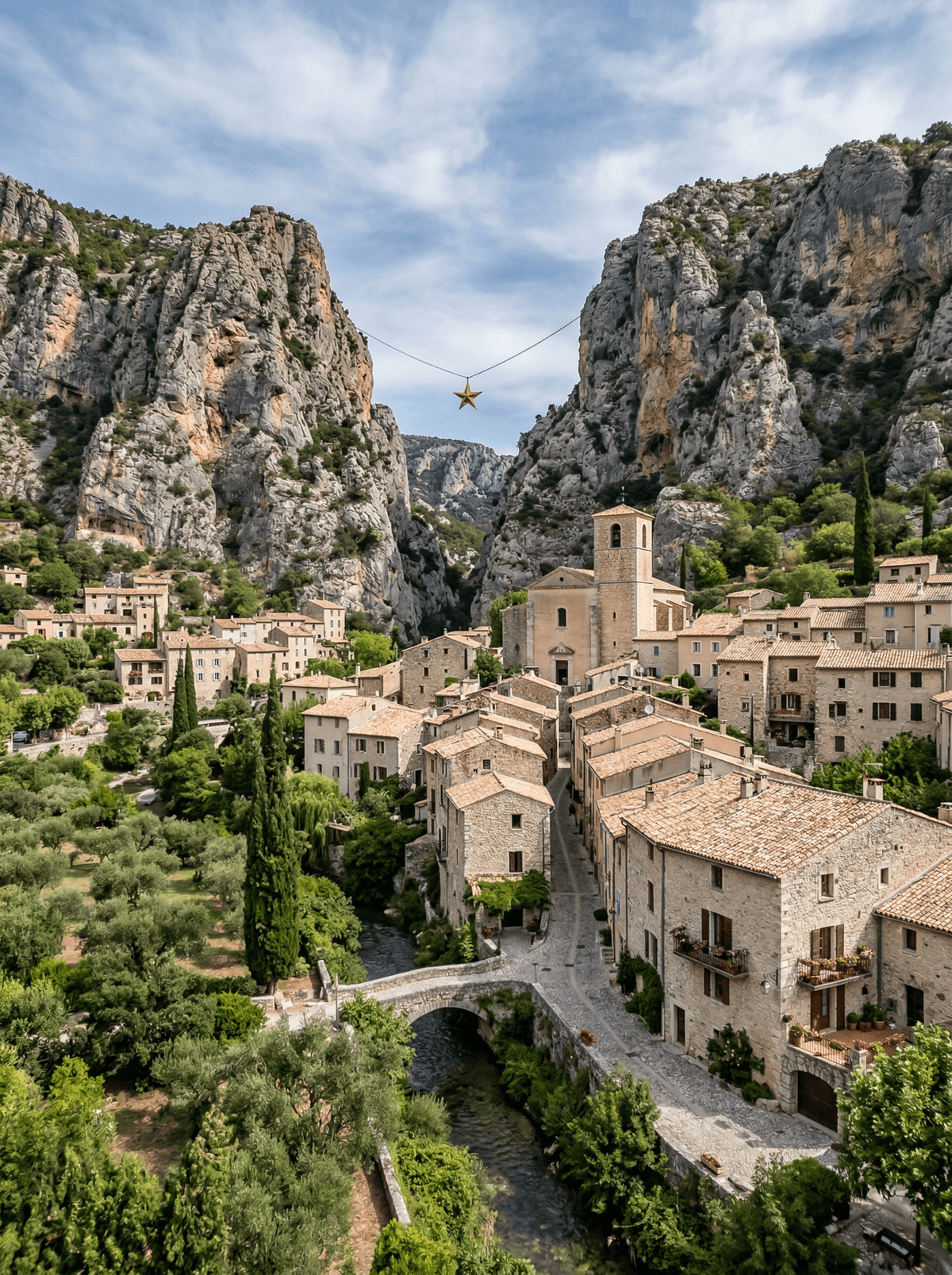
A gold star on a chain slung between two cliffs above a village of faïence painters.
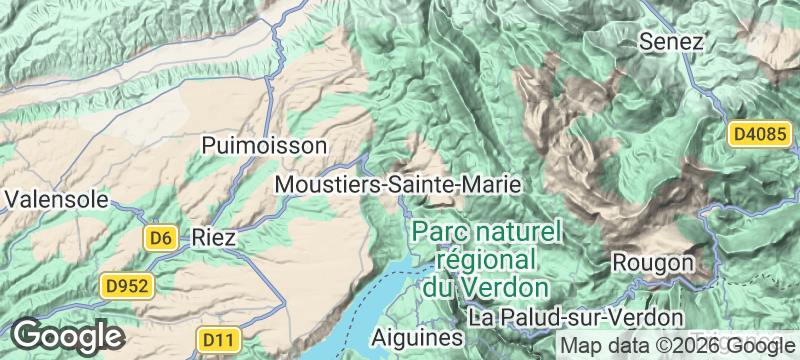
A gold star hangs on a chain between two cliff faces above the village, catching the light at different angles through the day — who hung it there, and why, depends on which legend you prefer. Moustiers-Sainte-Marie sits where its gorge opens onto the Verdon country of southern France, a village of faïence painters and limestone alleys with a stream falling through its centre and the star swinging overhead like a compass point.
Moustiers, a Plus Beau Village, is built into the cliff at the western end of the Verdon, and the story it tells first is the star: a knight of Blacas, the legend says, vowed to hang it there if he came home from the Crusades, and every time the chain has fallen the village has hung it back. Beneath it the Notre-Dame ravine drops in a waterfall right through the village, and a stepped path climbs past it to the chapel of Notre-Dame-de-Beauvoir on the rock. The other story is the faïence — tin-glazed earthenware painted in blue and polychrome that made the village's name in the 1600s and 1700s and is still made in the workshops along the lanes, with a museum for the old pieces. Sainte-Croix lake and the Verdon gorges are minutes down the road, but Moustiers is a reason to stay in itself.
Solo
The climb to the chapel of Notre-Dame-de-Beauvoir passes under the star and opens views across the plateau towards the Verdon. The faïence workshops below give an afternoon of browsing that doubles as an art-history lesson.
Couple
The star catches the evening light while you eat on a terrace below — daube in painted earthenware, the waterfall audible from the square. The Verdon is fifteen minutes away, but Moustiers itself is the reason to stay.
- A gold star hangs on a chain between two cliffs above the village — legend says a knight home from the Crusades hung it there.
- Faïence workshops line the lanes — the painted earthenware tradition here goes back to the seventeenth century.
- A waterfall drops through the centre of the village between the same cliffs that hold the star, past the chapel on the rock.
- The Verdon gorge and Sainte-Croix lake are minutes away — the village is the gateway to both.
Lavender ice cream from the village glacier, eaten from a hand-painted faïence bowl on the square.
Daube provençale — beef stewed long in red wine and orange zest — served in earthenware on a terrace under the star.
Misfat al Abriyyin
Oman
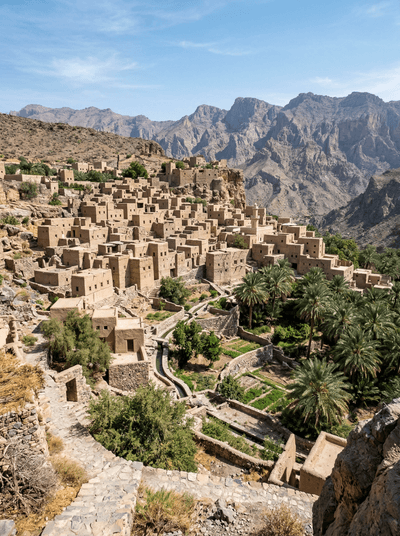
Falaj water slips beneath date palms and ochre houses on a mountain ledge.
Buseoksa
South Korea
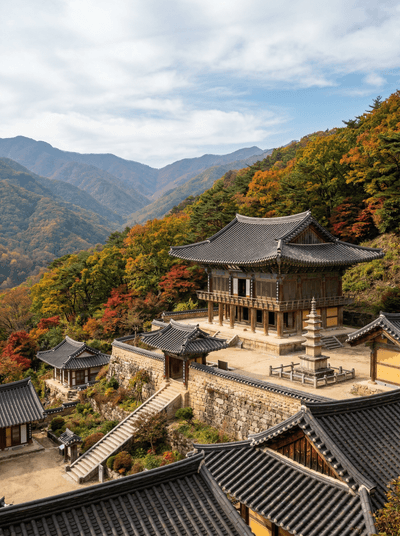
One of Korea's oldest wooden halls has faced an ocean of ridges since 1376.
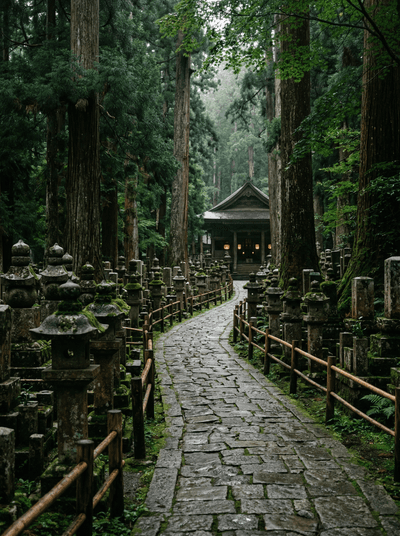
Koyasan
Japan
Lanterns guiding pilgrims through two hundred thousand graves beneath centuries-old cedars.
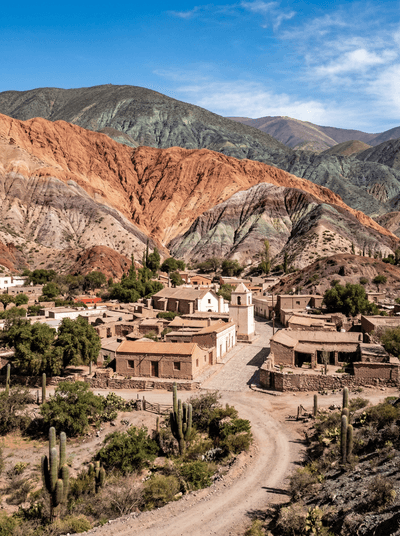
Purmamarca
Argentina
A seven-colour hill burns amber over adobe lanes where llamas carry the morning market.
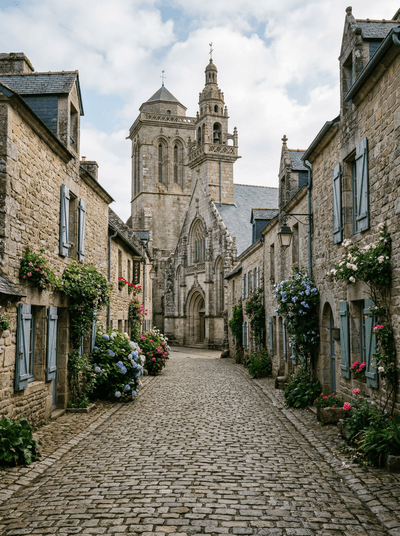
Locronan
France
A granite village frozen in its sailcloth-weaving prime, where the seventeenth century never left.
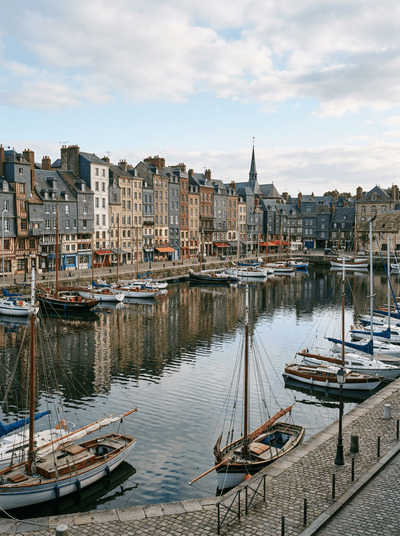
Honfleur
France
Slate-fronted houses mirrored in a harbour that taught the Impressionists how light works.
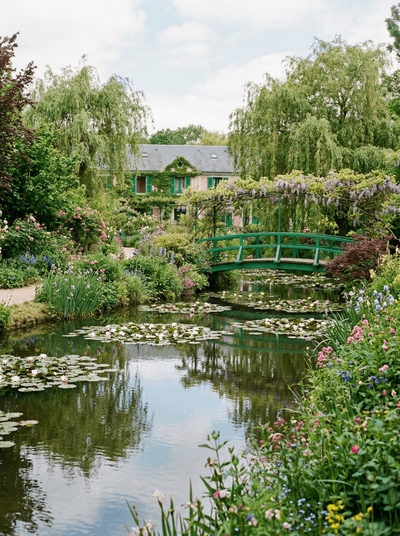
Giverny
France
Water lilies floating on the exact pond Monet painted until his eyes failed him.
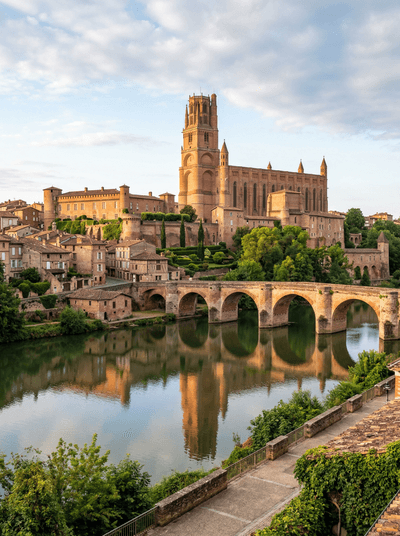
Albi
France
A cathedral built like a red-brick fortress after the Cathar crusade, dwarfing the town beneath it.