Micronesia
Nan Madol
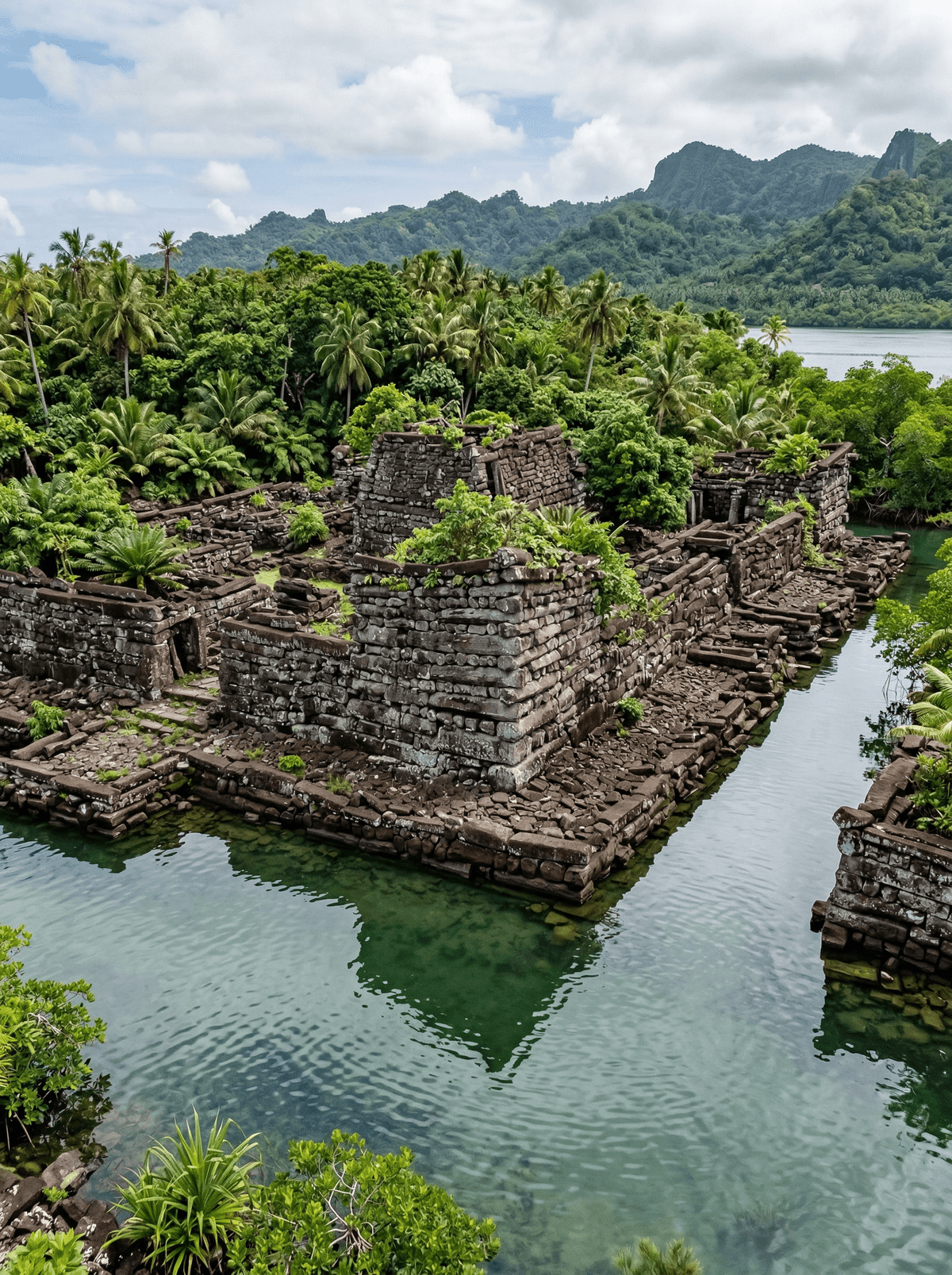
A ghost city of black basalt rising from a lagoon, its canals silent for centuries.
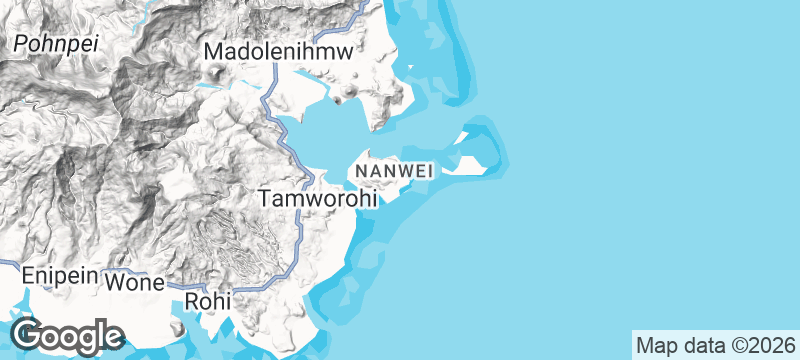
Black basalt columns rise straight out of the tide, stacked like log cabins by hands that left no written record. Mangrove roots thread between the stones, channels breathe with the tide, and all you hear is water against walls raised eight centuries ago. Nan Madol, off Pohnpei in Micronesia, is a city built on a coral reef and left to the spirits.
The Saudeleur dynasty raised more than 100 artificial islets on this reef flat between roughly 1200 and 1500 CE, layering basalt and coral boulders into palaces, temples, tombs and residences. The grandest compound, Nandauwas, still stands behind double walls of stacked basalt logs around eight metres high, with cornerstones estimated at fifty tonnes, moved without wheels, metal or draft animals by methods nobody has proven. UNESCO inscribed Nan Madol as World Heritage in 2016 and placed it on the danger list at the same time, as silt feeds mangroves through its waterways. Pohnpeians still hold the ruins sacred, and visits run with local guides: by boat or kayak at high tide, or on foot along a jungle path, with a small entry fee paid locally.
Solo
A solo traveller and a local guide take the ruins unhurried, with time to sit on a basalt terrace while the oral history settles in.
Couple
Couples can take the high-tide boat in and drift the channels between islets, then share a shell of sakau in Kolonia that evening.
Family
Older children get a genuine puzzle here: fifty-tonne stones moved across a reef without wheels, plus mud, mangroves and a boat ride to reach them.
Friends
Friends leave arguing about how the columns were moved, and the debate is half the point; it carries through dinner back in Kolonia.
- UNESCO lists more than 100 artificial islets of basalt and coral boulders, raised between roughly 1200 and 1500 CE.
- Nandauwas, the royal mortuary, keeps double walls of stacked basalt logs around eight metres high, with cornerstones estimated at fifty tonnes.
- The islets held the palaces, temples and tombs of the ceremonial centre of the Saudeleur dynasty.
- Pohnpeians still treat the ruins as sacred ground, and there is no visitor centre between you and the stones.
Find a sakau bar in Kolonia afterwards: pepper-plant roots pounded on basalt, strained through hibiscus bark, earthy and lip-tingling.
Order red snapper at Sea Breeze in Kolonia, a Pohnpei standard.
Suva
Fiji
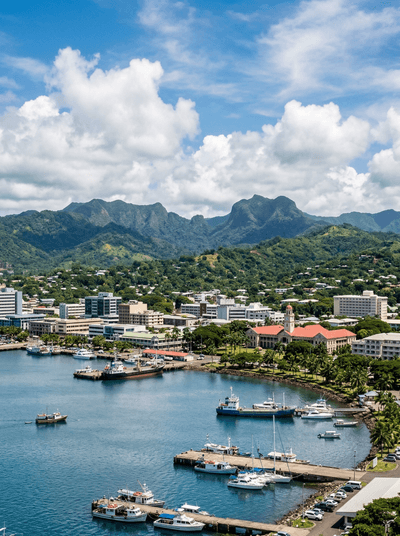
South Pacific hustle where Hindu temples share streets with Fijian markets and colonial verandahs.
Levuka
Fiji
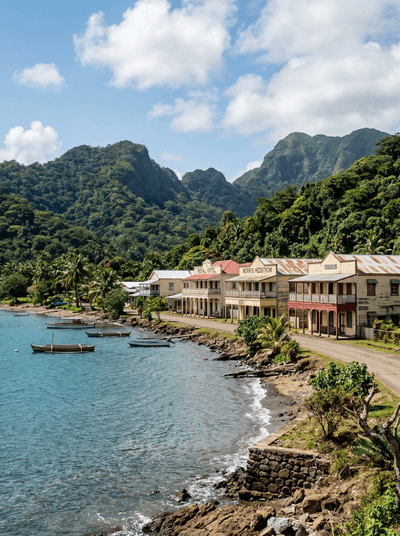
Fiji's first colonial capital frozen in the 1870s, wooden shopfronts sagging under tropical rain.
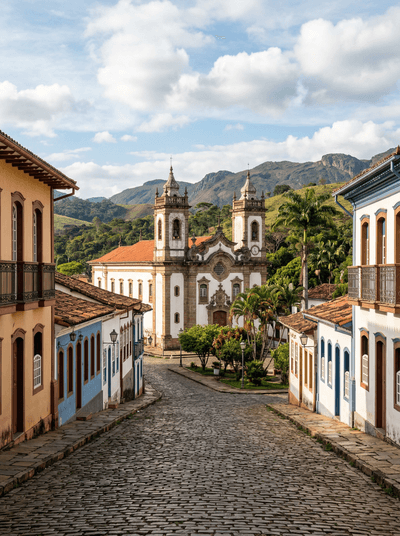
São João del-Rei
Brazil
Baroque towers answering each other across a valley, ringing the sex of whoever has just died.
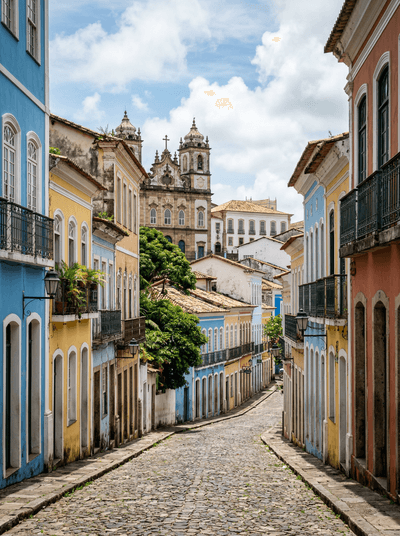
Salvador
Brazil
Drum rhythms ricocheting off colonial walls where song, dance and combat happen at once.
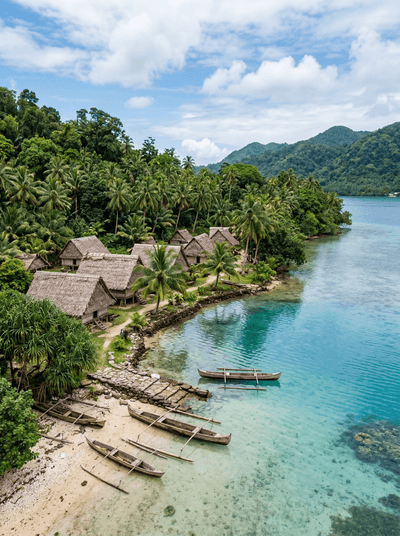
Yap
Micronesia
Stone money too heavy to move, so ownership transfers by word alone on this jungle island.
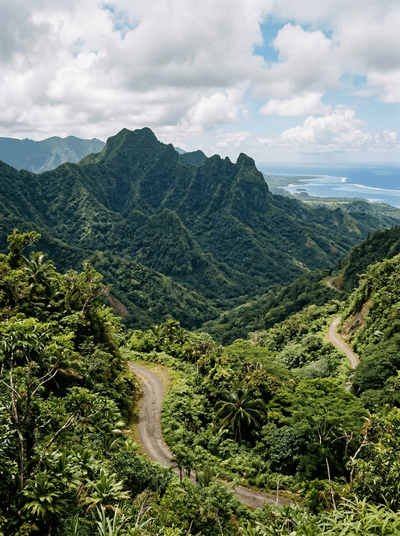
Pohnpei Highlands
Micronesia
Waterfalls spilling from cloud forest drenched by three hundred inches of rain each year.
Pingelap Atoll
Micronesia
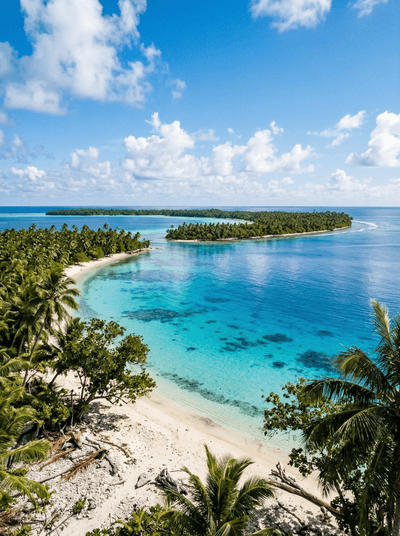
A one-airstrip atoll of palms and white sand, famous to science, barely charted by tourism.
Lelu Ruins
Micronesia
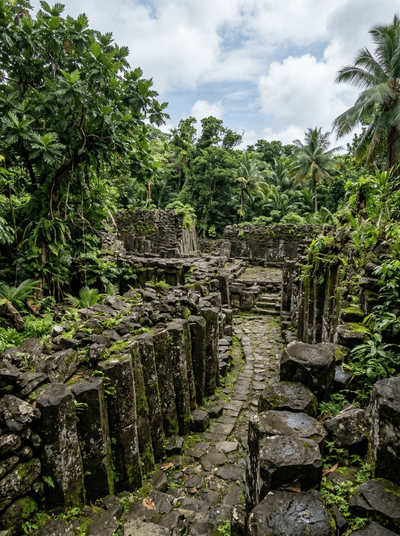
Basalt walls of an ancient island kingdom rise from the jungle, royal tombs still inside.