Micronesia
Yap
Stone money too heavy to move, so ownership transfers by word alone on this jungle island.
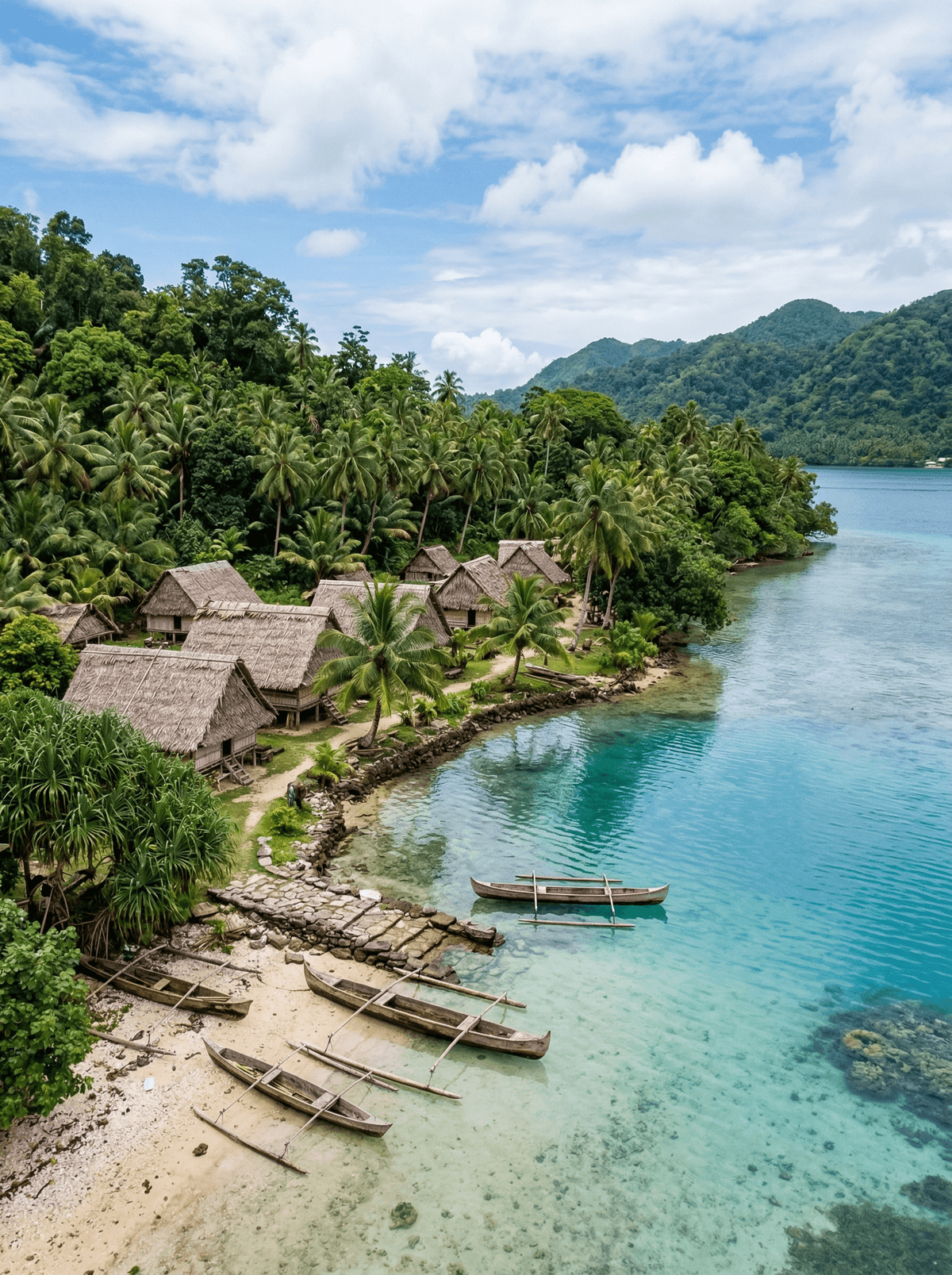
Limestone discs the height of a person lean along village paths and moss-grown stone banks, worth not what they weigh but what they survived: quarried in Palau and sailed hundreds of kilometres home by canoe. On Yap in Micronesia the money stays where it stands, and everyday life carries on around it.
The rai are only the introduction to the most traditional island in the Federated States. Each village keeps its meeting houses, the seaside faluw for men and the p'ebay where the whole community gathers, built without a single nail and linked by stone paths centuries old. Yapese navigators still sail hand-built canoes to Palau and Guam by stars, waves and birds, a skill handed down long before charts reached this ocean. Offshore, manta rays cruise the channels in water that clears thirty metres on an ordinary day. The culture is lived rather than staged, so go with a local guide, ask before entering village land and dress modestly; Yap receives its guests on its own terms.
Solo
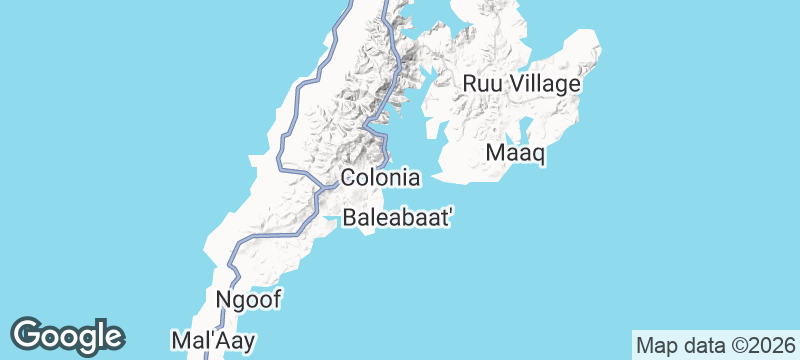
Solo visitors can join a village tour one day and a manta dive the next, letting a local guide open doors that stay closed to a rental car.
Couple
Couples get slow days here: stone paths in the morning, mangrove kayaking in the afternoon, local sashimi in Colonia by evening.
Family
Children can stand beside a stone coin taller than they are and hear how it crossed the sea, and the shallow, calm lagoon suits confident young snorkellers.
Friends
A group divides between divers and land explorers each morning, then reunite over cold beer and grilled fish in Colonia to compare days.
- Rai stone discs, quarried in Palau and sailed hundreds of kilometres home by canoe, still stand in village stone-money banks.
- Ownership of the biggest stones passes by agreement and memory; the money itself never moves.
- Faluw and p'ebay meeting houses, built without a single nail, still anchor village life along centuries-old stone paths.
- Traditional navigators still sail to Palau and Guam reading stars, waves and birds.
Fresh fish never leaves Colonia's menus, and local sashimi is the standing order.
Grab musubi from a Colonia supermarket counter for a boat-day lunch, the island's own quick fix.
Tarrafal
Cape Verde
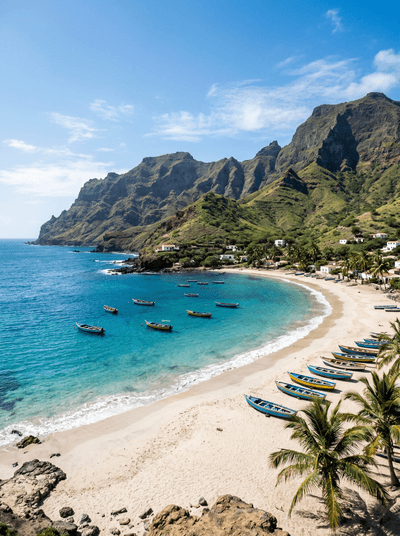
A palm-shaded swimming cove shares its town with the prison called the Camp of Slow Death.
Huanchaco
Peru
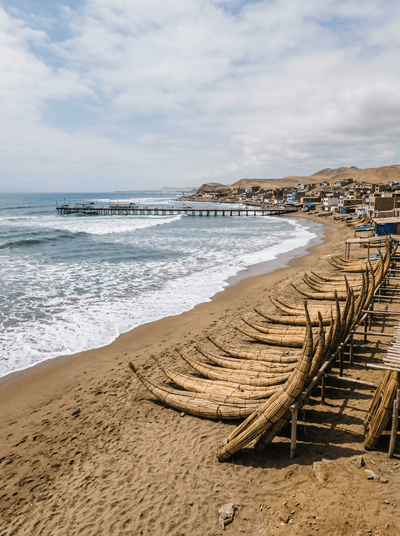
Fishermen still ride reed boats through the surf, as Moche potters drew them.
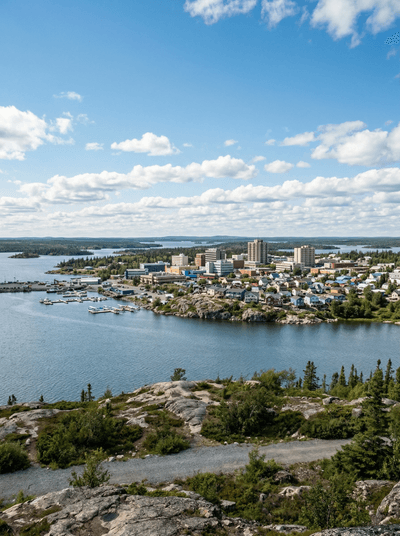
Yellowknife
Canada
Houseboats, aurora and a fish shack of national reputation share a Shield-rock capital.
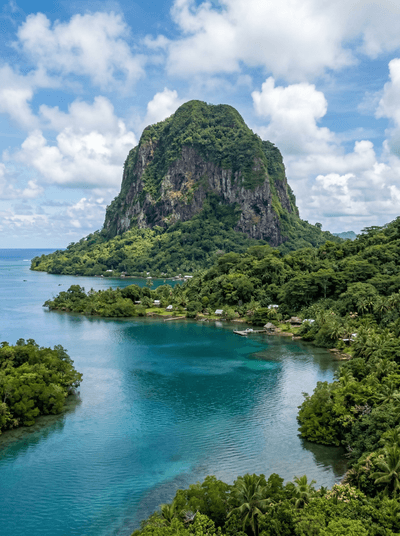
Sokehs Rock
Micronesia
A magician's stone plugged a geyser here, says legend; the climb is bare basalt and rope.
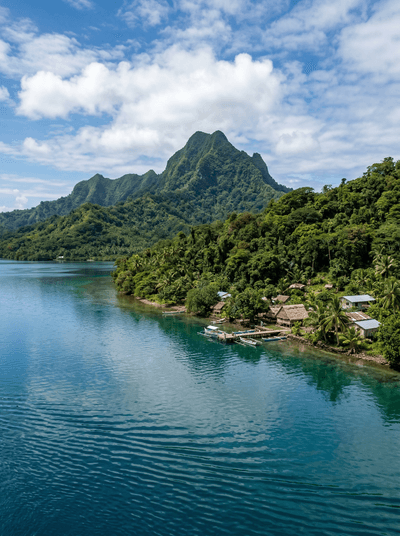
Tonowas
Micronesia
Jungle swallows the headquarters of Japan's Fourth Fleet: tunnels, guns and a bomb-proof command bunker.
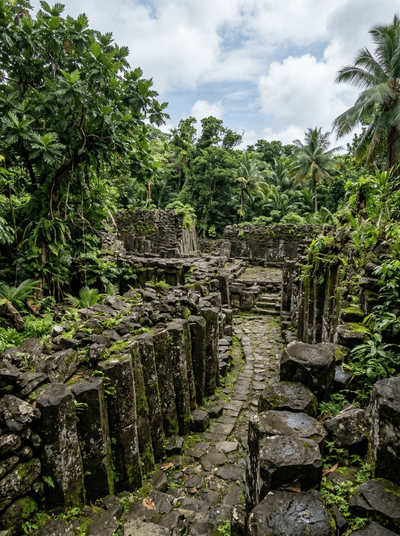
Lelu Ruins
Micronesia
Basalt walls of an ancient island kingdom rise from the jungle, royal tombs still inside.
Eten Island
Micronesia
An entire island turned into a Japanese airfield, its runway now a straight line of jungle.