Japan
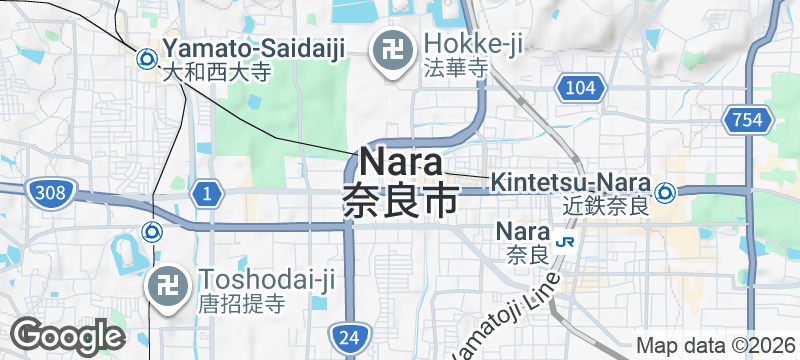
Nara
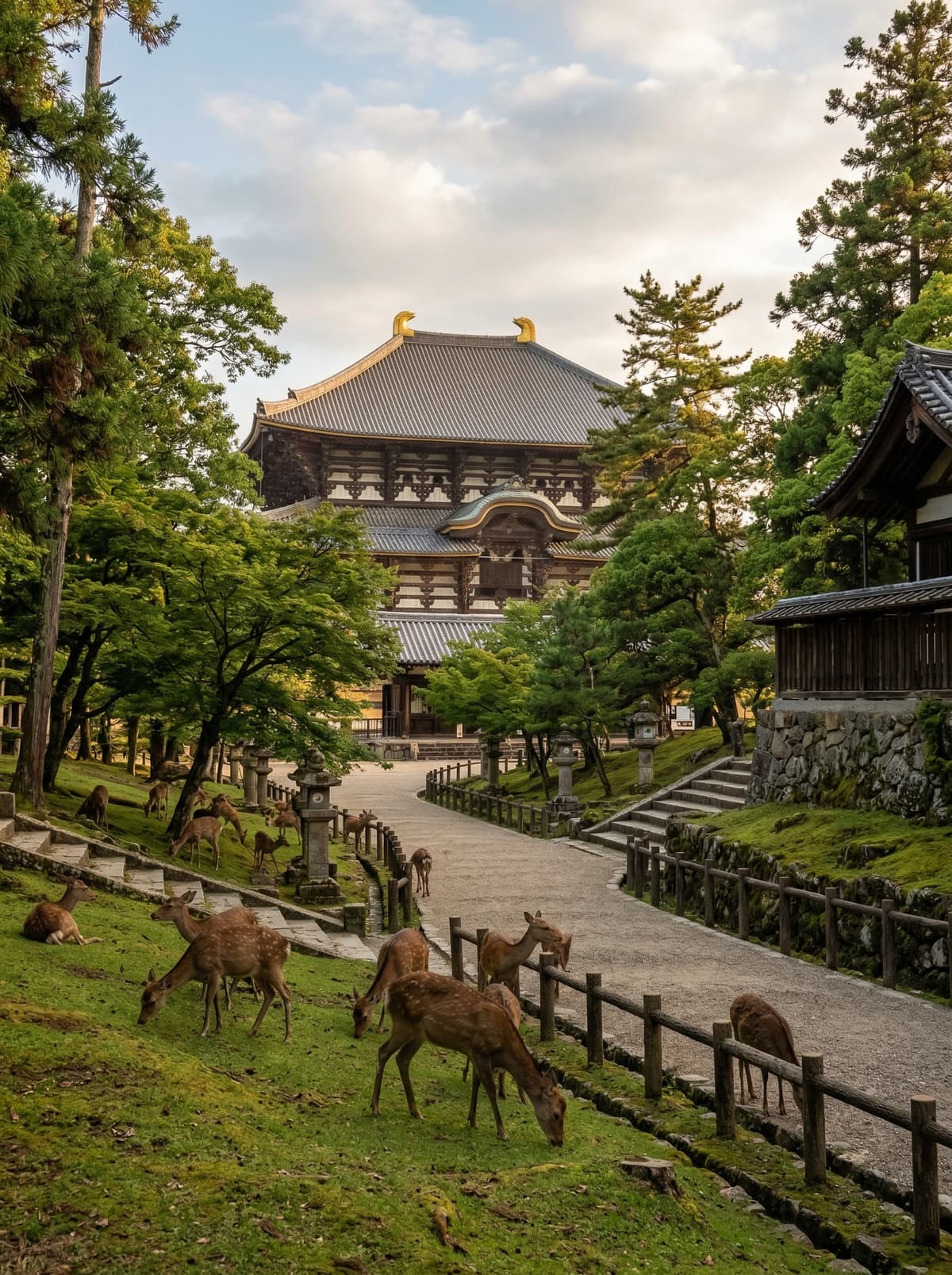
Sacred deer bowing for rice crackers beneath one of the world's largest wooden buildings.
The deer bow. They have learned, over centuries of living alongside pilgrims and tourists, that a polite dip of the head produces rice crackers. More than 1,200 sika deer roam freely through Nara's parkland, weaving between World Heritage temples with the confidence of residents who know the land belongs to them. Nara was Japan's first permanent capital, and its deer have been treated as divine messengers since the eighth century.
Nara was the capital from 710 to 784, before Kyoto. Tōdai-ji's Great Buddha Hall shelters a bronze Buddha some fifteen metres tall, cast in the 700s, and the hall itself was the largest wooden building in the world until 1998. The park around it covers some 500 hectares of lawns, ponds and old trees, with wide flat paths that suit pushchairs and wheelchairs. Kasuga Taisha's approach is lined with roughly 3,000 stone and bronze lanterns, all lit twice a year at the Mantōrō festivals in February and August, when the path becomes a corridor of fire. Nara is under an hour from Kyoto and Osaka by train, yet it is built on a different scale — lawns and parkland where Kyoto has streets.
Family
The deer make Nara irresistible for children. The park is flat, the temples are built on a scale that stops children in their tracks, and the crackers are sold on every corner. The deer are wild — they can bite, kick or charge — so children feed them beside an adult, never alone.
Couple
Nara has the cultural weight of Kyoto set in parkland. Walking the park at dusk, when the lanterns glow, is unforced romance.
Solo
The city's compact scale means one visitor on foot can cover every major site in a day and still have time for a quiet lunch beside Sarusawa Pond.
- More than 1,200 wild deer roam the temple grounds, bowing for the rice crackers sold at every corner.
- Tōdai-ji's bronze Buddha, cast in the eighth century, stands some fifteen metres tall inside a hall that was the world's largest wooden building until 1998.
- The park is flat and pushchair-friendly, shaded by old trees, its wide paths made for slow walking.
- Kasuga Taisha's 3,000 lanterns are all lit twice a year, in February and August.
Kakinoha-zushi — pressed mackerel on rice, parcelled in a persimmon leaf, vinegar-bright and made for carrying.
Kuzu-mochi from the old confectioners of Naramachi, cool and trembling, dusted with roasted soybean flour.
Chester
England
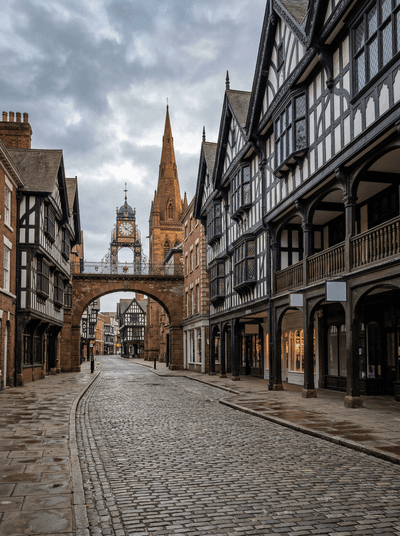
Roman walls circle a city where Tudor galleries float above street-level shopping arcades.
Cambridge
England
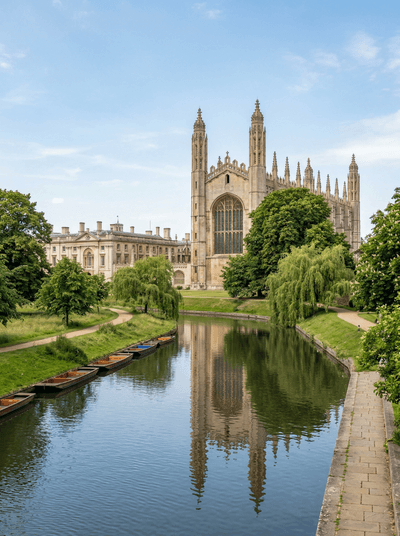
Punts glide beneath mathematical bridges over water that has mirrored genius for centuries.
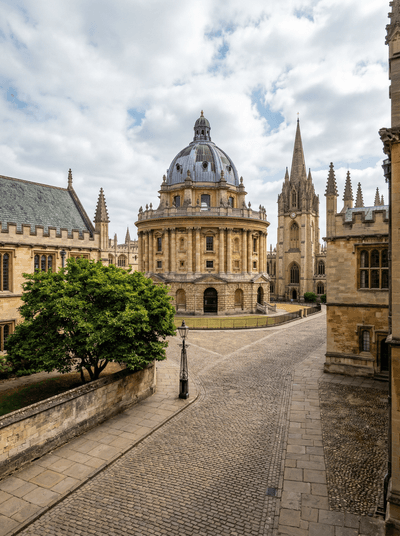
Oxford
England
Gargoyles stare from spires so dense the skyline looks like a stone forest.

Québec City
Canada
North America's only walled city folds four centuries of French life into cliff-top stone lanes.
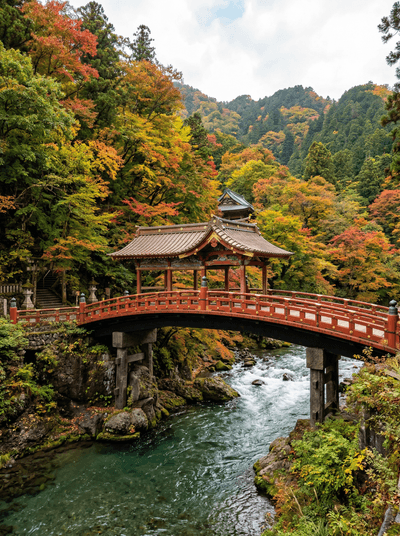
Nikko
Japan
Gold-encrusted shrines hidden in cedar forest where a sleeping cat guards the gate.
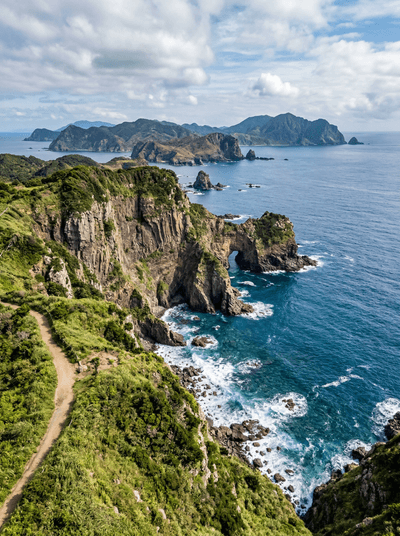
Oki Islands
Japan
Cliff-girt islands of the Japan Sea where exiled emperors and bull sumo survive.
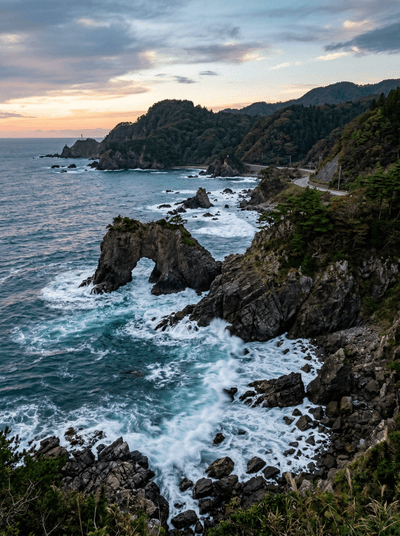
Noto Peninsula
Japan
Rice terraces falling into the sea and lacquer villages on a coast an earthquake reshaped.
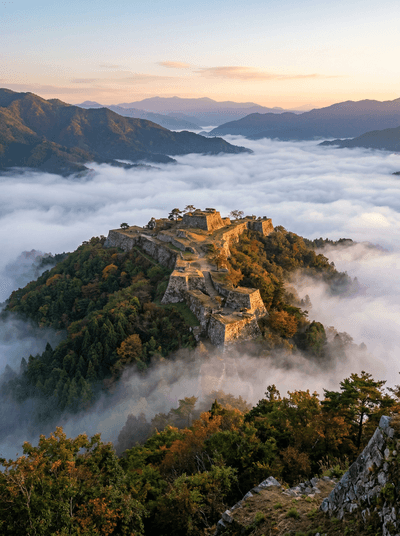
Takeda Castle Ruins
Japan
Stone ramparts adrift on a sea of cloud at dawn — Japan's Machu Picchu.