Japan
Noto Peninsula
Rice terraces falling into the sea and lacquer villages on a coast an earthquake reshaped.
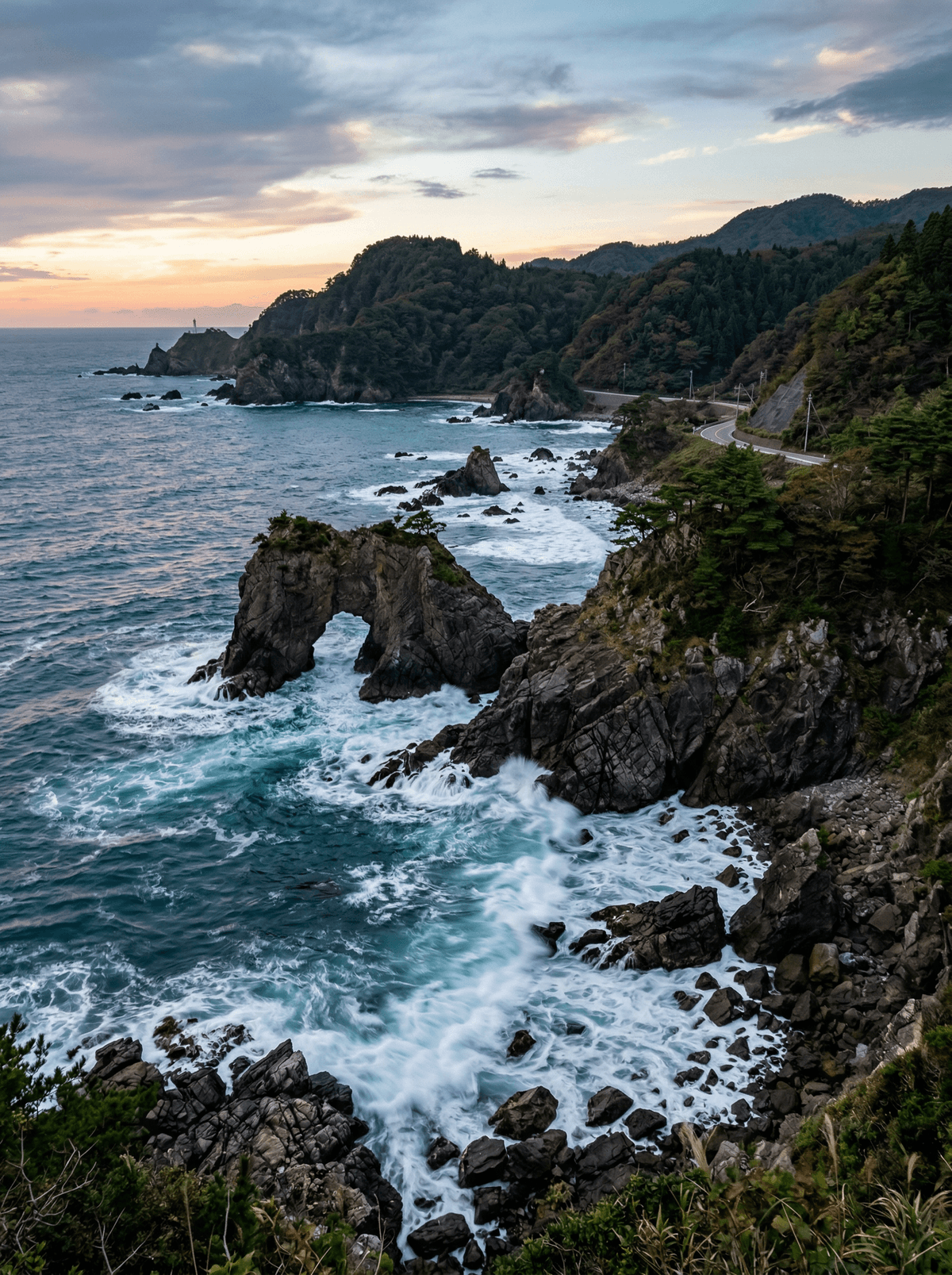
The rice paddies fall into the sea. At Shiroyone Senmaida, 1,004 terraces step down a coastal slope to the Sea of Japan in strips too small for any machine, planted and cut by hand — and planted again after the earthquake that shook this coast on New Year's Day 2024. The Noto Peninsula reaches into the Sea of Japan from Ishikawa like a raised fist, and its fishing villages, lacquer workshops and rice rituals feel like a Japan the cities have forgotten.
Wajima's morning-market tradition goes back over a millennium, and the town's lacquerware — layered by hand and prized across Japan — has a museum beside it that shows how the work is done. The coast road passes rock arches, wave-cut platforms and fishing villages where squid dries on racks and the air smells of salt; on the outer coast the 2024 quake lifted the shore itself by two metres. The peninsula's own seasoning is ishiru, a fish sauce fermented for years and splashed on everything.
Solo
Driving the coast road alone, stopping at fishing villages and lacquer workshops — Noto is Japan's slow road, best taken without a schedule.
Couple
Senmaida's terraces lit at dusk, a Wajima lacquer workshop, and a harbour-side seafood dinner — a day of beauty and craft on a coast that is glad to see you.
- Shiroyone Senmaida's 1,004 rice terraces stair-step to the shore of the Sea of Japan, each too small for a machine, and replanted since the 2024 earthquake.
- Wajima's morning-market tradition goes back over a millennium, and its lacquerware museum shows the craft that made the town's name.
- The coast road passes rock arches and fishing villages where squid dries on racks and the air smells of salt.
- The 2024 quake lifted the outer shore by two metres, leaving new rock platforms along the coast road.
Ishiru — Noto's fish sauce, fermented for years — splashed over grilled fish and hotpots the way the rest of Japan uses soy.
Seafood grilled on the spot at Nanao's Noto Food Festival Market, straight off the Nanao Bay boats.
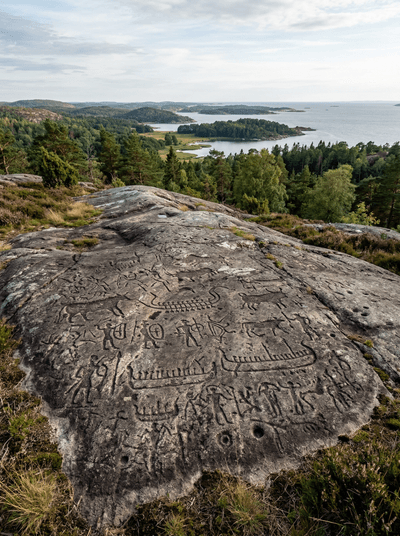
Bohuslän Coast (Bronze Age Carvings)
Sweden
Three-thousand-year-old ships and sun discs carved into granite by a vanished shoreline.
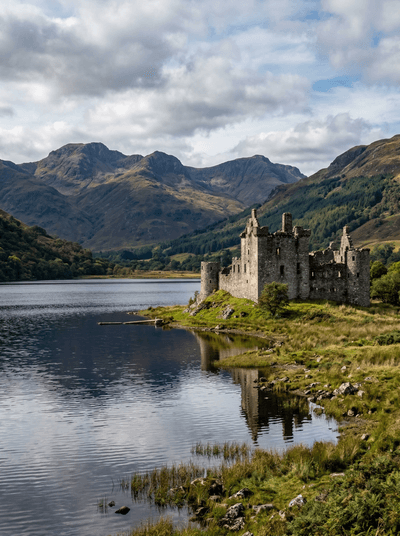
Kilchurn Castle
Scotland
A roofless castle stands knee-deep in loch mist at dawn, mountains pressing close on every side.
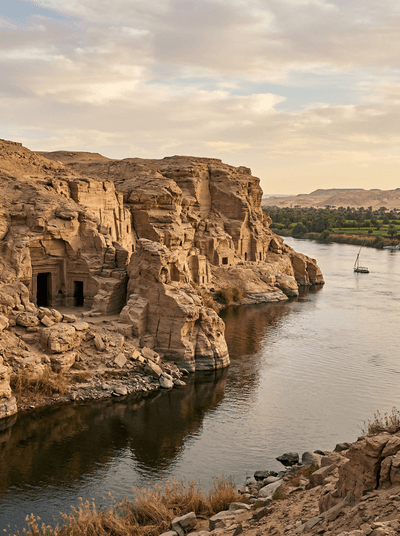
Gebel el-Silsila
Egypt
The Nile squeezes through sandstone quarry cliffs where pharaohs carved temples from the living rock.
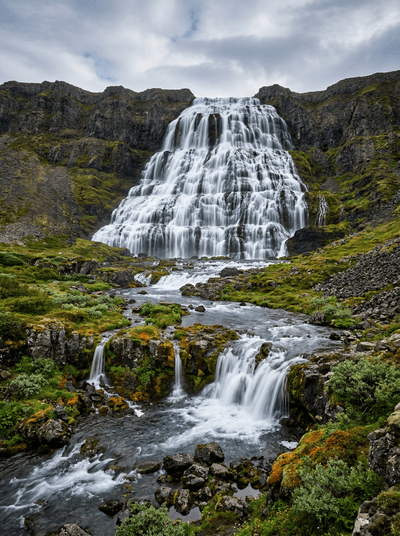
Dynjandi
Iceland
A tiered bridal-veil waterfall spilling over basalt steps in a remote, fjord-carved wilderness.
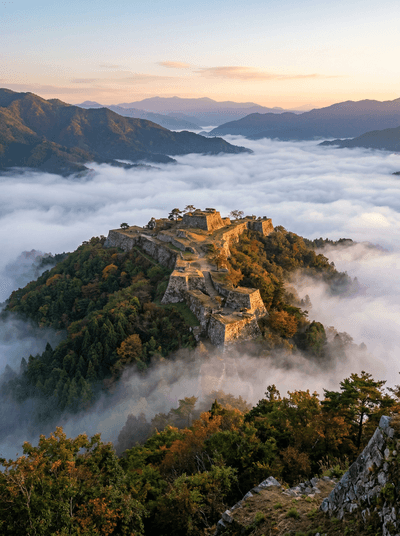
Takeda Castle Ruins
Japan
Stone ramparts adrift on a sea of cloud at dawn — Japan's Machu Picchu.
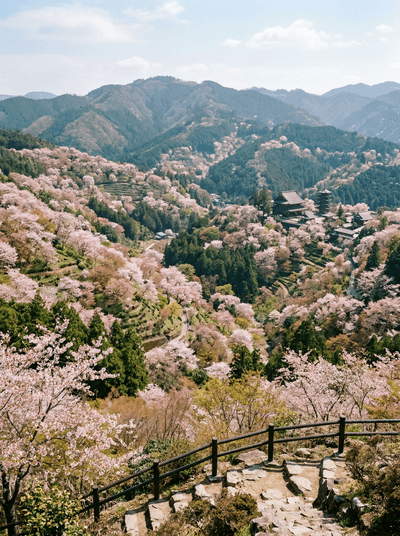
Yoshino
Japan
Thirty thousand cherry trees blooming up a sacred mountain in pink tidal waves.
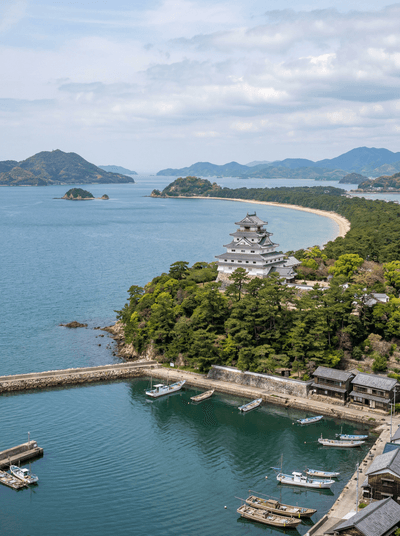
Karatsu
Japan
A pottery town where enormous lacquered floats charge through the streets each November.
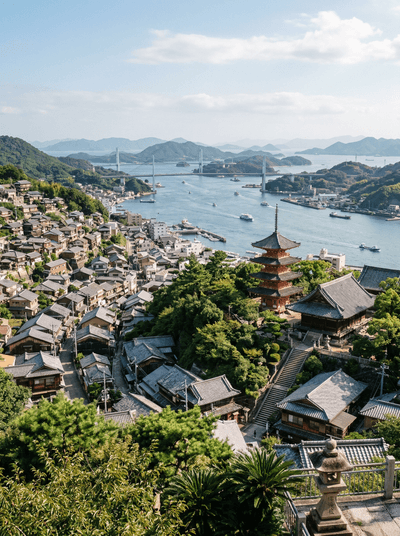
Onomichi
Japan
A hillside temple walk above a strait where cats watch you from every stone step.