Japan
Nikko
Gold-encrusted shrines hidden in cedar forest where a sleeping cat guards the gate.
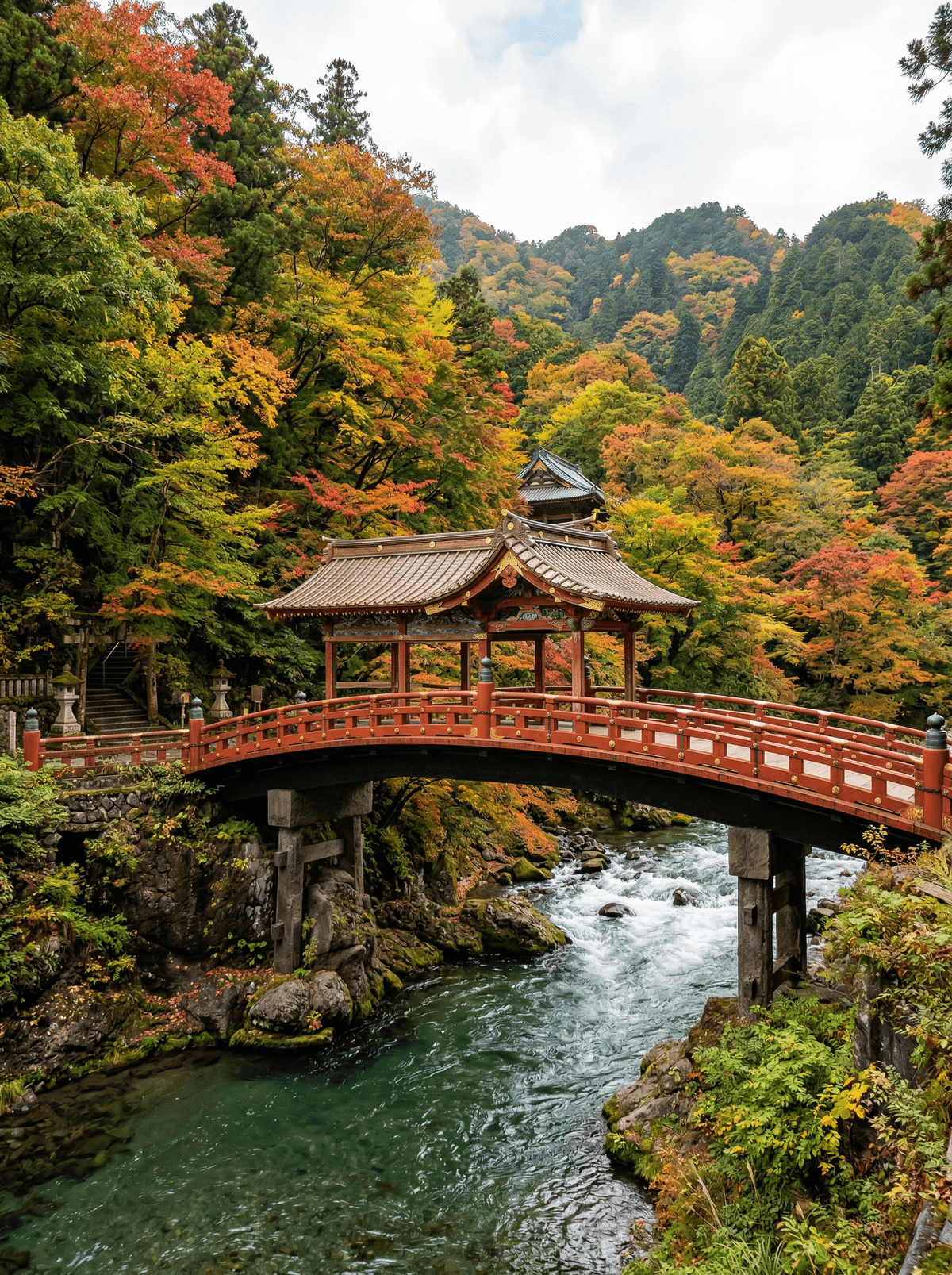
The shrine is excessive by design. Gold leaf, polychrome carvings, and paint so vivid it looks wet — Nikkō's Tōshō-gū was built to overwhelm as much as to worship in. The mausoleum of Tokugawa Ieyasu, the shōgun who unified Japan, was designed to project power even in death. The surrounding forest provides the contrast: ancient cedar, cold rivers, and waterfalls that drop into gorges of volcanic rock.
Tōshō-gū was first built in 1617 and rebuilt on a far grander scale in 1636 by Ieyasu's grandson, in the deep-relief carving and rich colour that mark the peak of Edo decorative art. The three wise monkeys who see, hear and speak no evil are carved on the sacred stable here, and the sleeping cat above one gate is attributed to the sculptor Hidari Jingorō. Kegon Falls drops 97 metres into a mist-filled gorge, with a lift down to a platform at the base and a dozen smaller falls leaking from the cliff around it. Along the Daiya River the Kanmangafuchi path passes a line of some seventy moss-capped Jizō statues, some headless, all slowly being absorbed by the landscape. Nikkō National Park runs on into the mountains with volcanic lakes and hot-spring villages.
Couple
The shrine's ornate excess, the waterfall, and the forest walk past the Jizō statues fill a day that balances culture with natural drama.
Family
Children respond to Tōshō-gū's visual intensity — every surface has a story, and the monkeys and the cat are a treasure hunt. Kegon Falls and the lake beyond give outdoor contrast.
Solo
The Kanmangafuchi path is best walked alone, counting Jizō statues that seem to multiply or vanish depending on who tells the story.
- Tōshō-gū drips with gold leaf and deep-relief carving — the three wise monkeys and the sleeping cat are both here.
- Kegon Falls drops 97 metres into a mist-filled gorge, with a lift down to a viewing platform at its foot.
- The Kanmangafuchi path lines some seventy moss-capped Jizō statues along a river of volcanic stone.
- Old inns turned ryokan serve kaiseki dinners a short stroll from the cedar avenue.
Yuba — silky tofu skin — served a dozen ways: in broth, fried, raw, rolled around rice.
Nikkō castella, the sponge cake soaked in egg and honey, sold golden and dense by the slab.
Buçaco Forest
Portugal
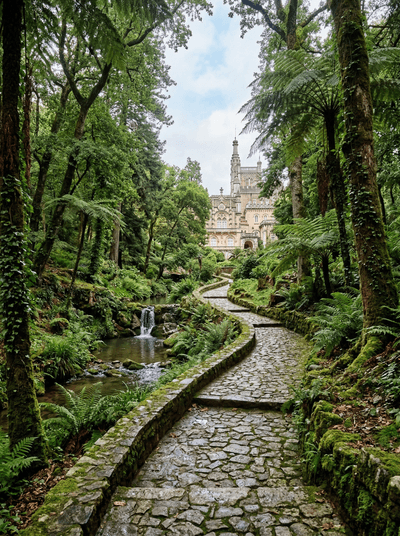
A walled forest of seven hundred species, its cedar Via Crucis climbing cathedral canopy.
Château de Chambord
France
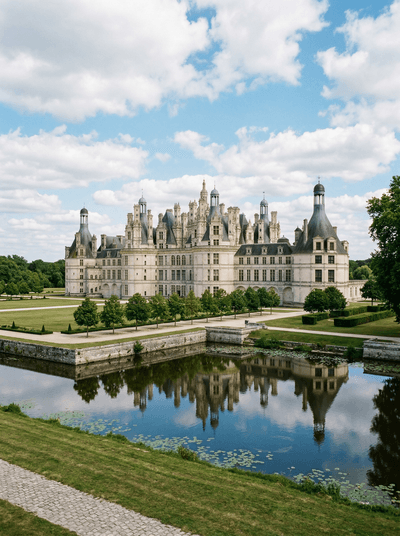
A double-spiral staircase inside a Renaissance hunting palace built for a king who barely stayed.
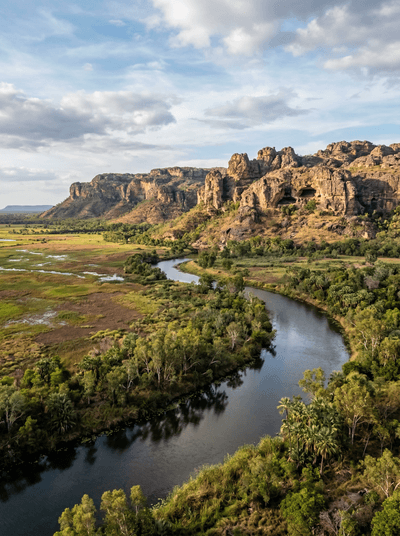
Kakadu National Park
Australia
Layered rock art looks across floodplains remade six times a year.
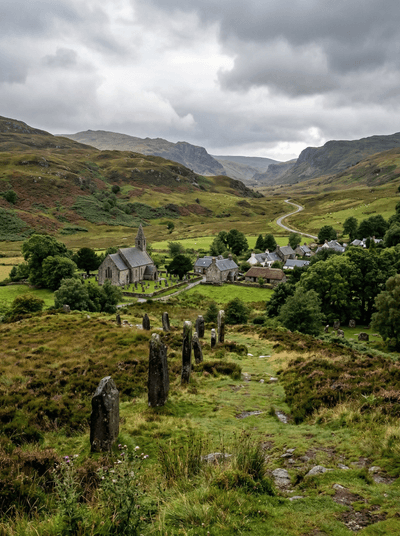
Kilmartin Glen
Scotland
Eight hundred ancient monuments line a single glen — cairns and carvings older than the pyramids.
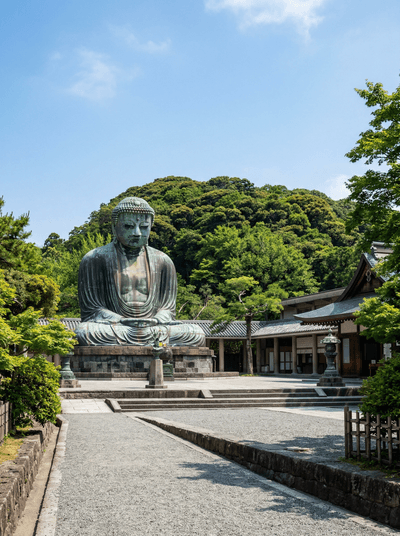
Kamakura
Japan
A bronze Buddha meditating outdoors for five centuries, since the sea took his hall.
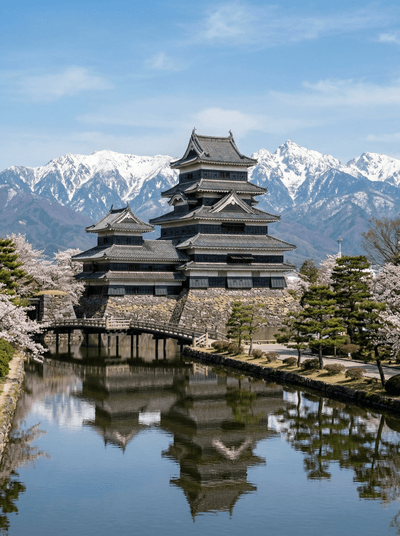
Matsumoto
Japan
A black crow castle mirrored in its moat against a wall of three-thousand-metre Alps.
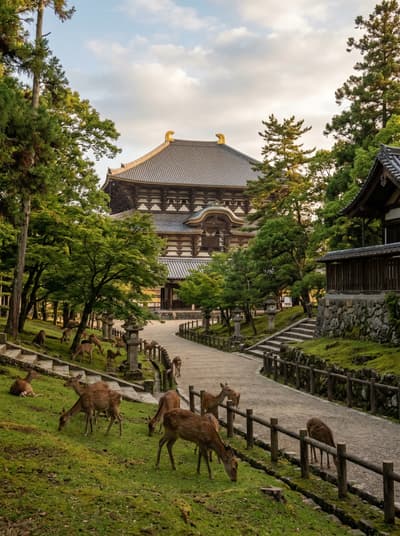
Nara
Japan
Sacred deer bowing for rice crackers beneath one of the world's largest wooden buildings.
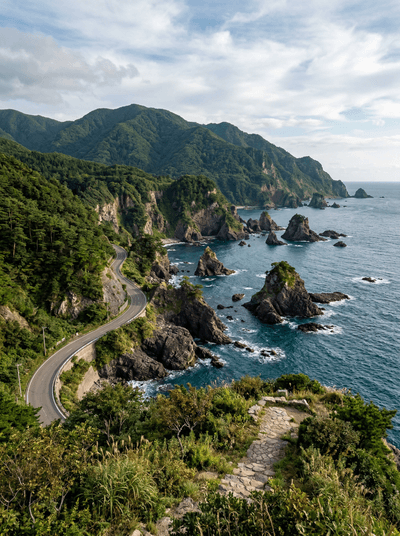
Sado Island
Japan
An exile island where gold miners, taiko drummers and crested ibis coexist in the fog.