Egypt
Gebel el-Silsila
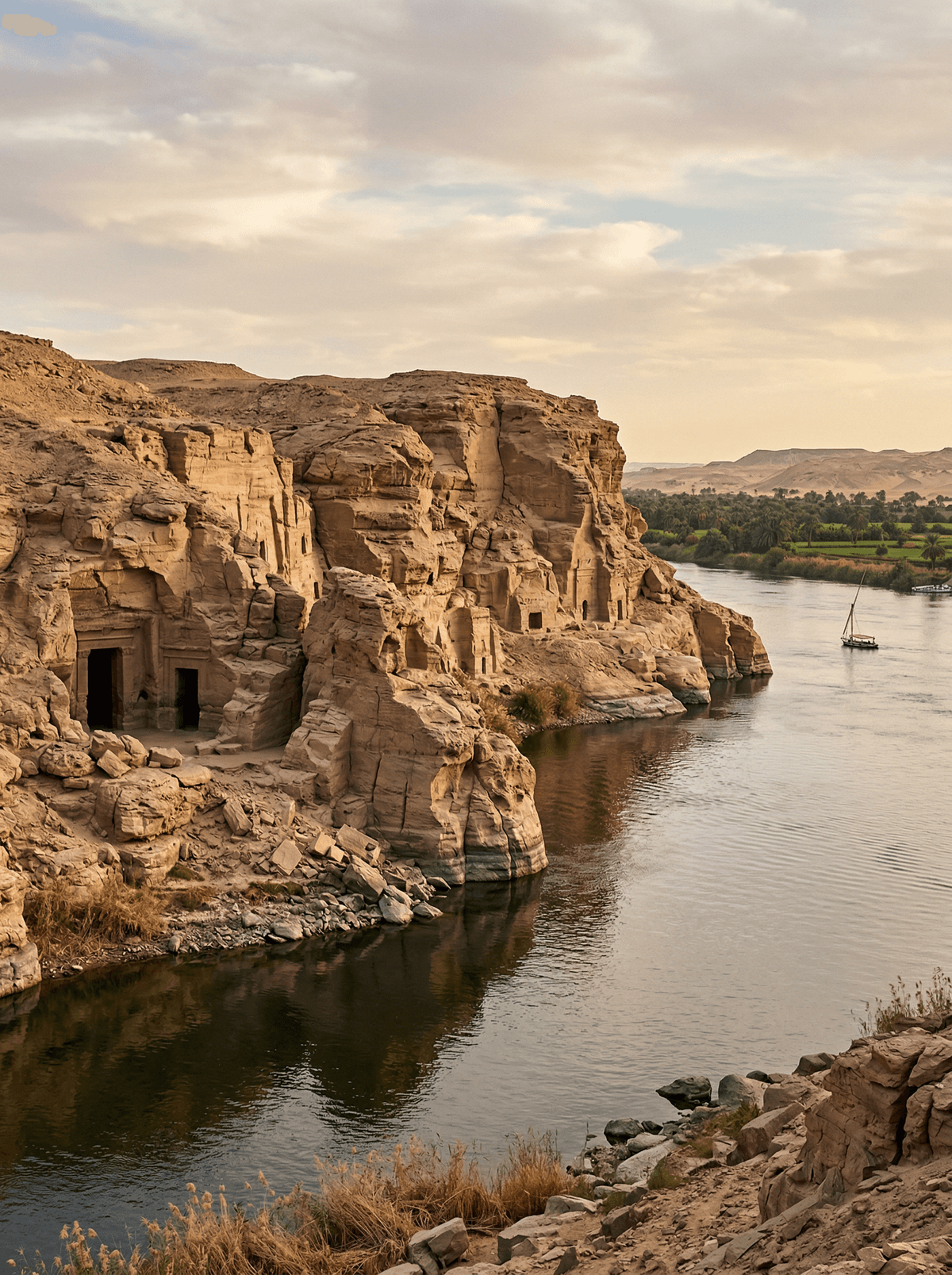
The Nile squeezes through sandstone quarry cliffs where pharaohs carved temples from the living rock.
The Nile narrows here, squeezed between sandstone cliffs that pharaohs quarried for three thousand years. Carved shrines dot the rock face at water level, their hieroglyphs lapped by the river. A felucca drops you on the bank and sails on, leaving you alone with the quarry scars and the silence.
Gebel el-Silsila is the Nile's narrowest passage between Luxor and Aswan, and it was ancient Egypt's principal quarry for temple-grade sandstone — over 100 quarries line the two banks, the largest stone-extraction site in the country. The rock that built Karnak, Luxor Temple, Edfu and Kom Ombo came out of these cliffs. Both banks carry rock-cut shrines, stelae and cenotaphs from the New Kingdom through the Roman period, and the Speos of Horemheb keeps seven deities in its sanctuary, carved straight into the cliff.
Friends
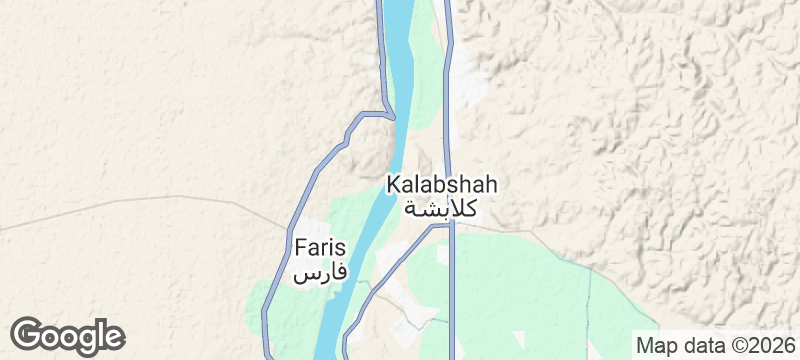
Charter a felucca from Kom Ombo between you, hop the west-bank shrines, and eat lunch mid-river between the cliffs.
- The sandstone of Karnak and Luxor Temple was cut from these cliffs — the quarry is the temples' negative.
- Quarry workers carved personal shrines into the west bank's rock face as their own dedications.
- At its narrowest the Nile compresses to about 350 metres — you hear the current from the cliffs.
- There is no road to the west-bank carvings: felucca, dahabiya or cruise landing only, no stalls, no crowds.
Lunch is on the boat — dahabiya and cruise kitchens time it around the shore landing.
Tea on deck follows the quarry walk; the site itself has no stall, no cafe, no noise.
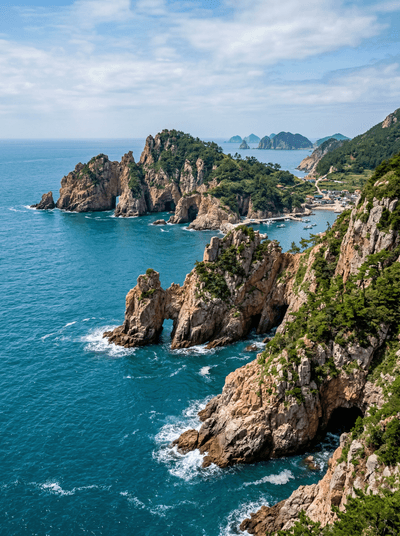
Hongdo
South Korea
Two hundred metres of red quartzite catch fire at sunset over the sea.
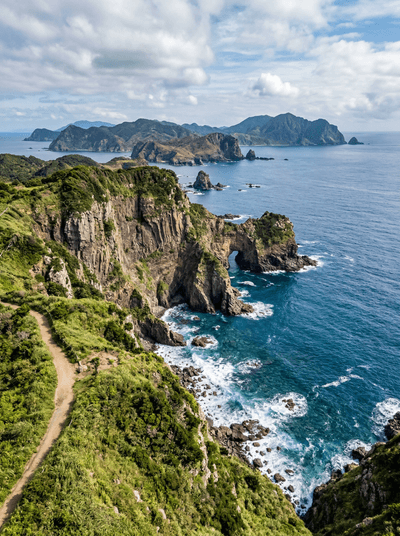
Oki Islands
Japan
Cliff-girt islands of the Japan Sea where exiled emperors and bull sumo survive.
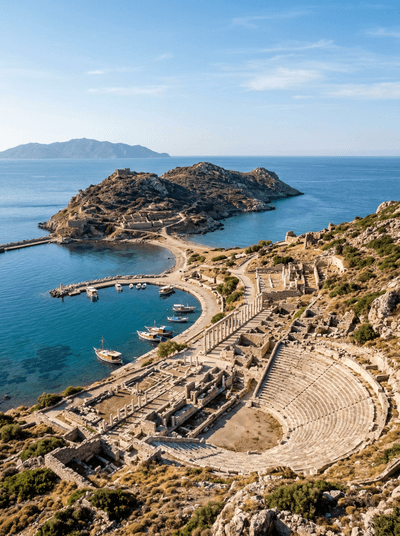
Knidos
Turkey
Two harbours face two different seas at a windswept cape where the Aegean meets the Mediterranean.
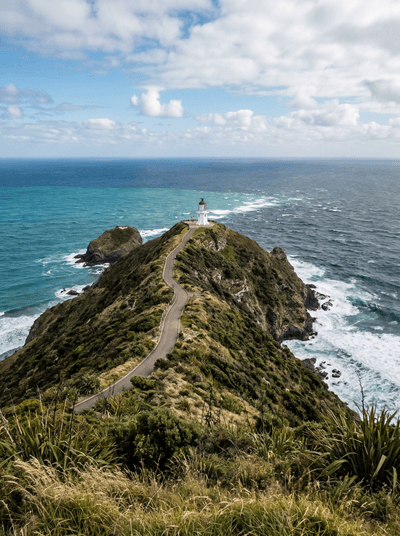
Cape Reinga
New Zealand
Two oceans meet in churning water where Māori spirits begin their final journey.