Argentina
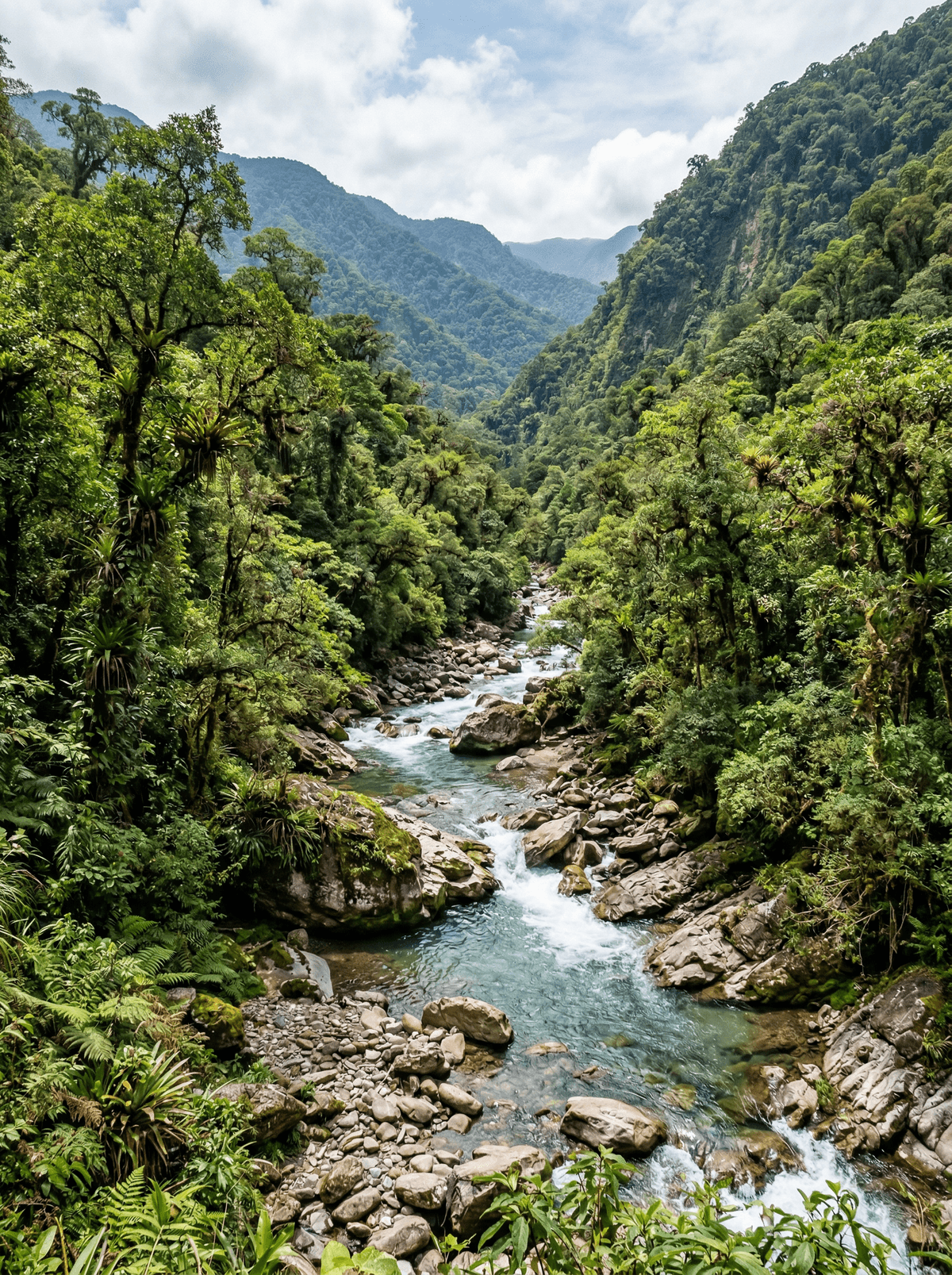
Parque Nacional Baritú
Subtropical jungle with no Argentine road in — the country's most inaccessible park.
Baritú is Argentina's least accessible national park: 72,000 hectares of yungas cloud forest on the Bolivian border, unreachable by paved road from the Argentine side, its trails asking waded river crossings of everyone who comes. Jaguars move through it regularly — camera traps have documented them for years — and the inaccessibility has preserved one of the country's densest remaining jaguar populations.
Established in 1974 at the northern extreme of Argentina's Yungas, the park runs from about 600 to 1,800 metres of steep, dense cloud forest sharing species with Bolivia — tapir, peccary, ocelot under active researcher monitoring, and even the spectacled bear recorded at this frontier edge of its range. The practical way in is the road that loops through Bolivian territory to Los Toldos; from the Argentine side it is days of jungle trail and river fords. Visitors register with the park rangers before entering, signal dies well before the boundary, and annual visits are measured in dozens — depth here comes through preparation and ranger-supported routes, never a promise of easy wilderness. Tree ferns and bamboo groves make the forest entirely tropical in feel: the southernmost cloud forest of its kind on Earth.
Solo
The park Argentina's most serious wilderness travellers keep for when everything else feels managed — a real access filter, confirmed jaguar presence, fifty years of minimal human impact, and a border-crossing approach no other Andean park offers.
- The road in loops through Bolivia — from Argentina it is river fords and days of trail.
- This is the world's southernmost subtropical cloud forest, tree ferns and bamboo included.
- Camera traps confirm tapir, peccary and ocelot under active researcher monitoring.
- Registration with the rangers is the entry ritual; signal dies before the boundary.
Everything carried in — charqui, bread and fruit for the multi-day jungle trek.
Simple regional meals in tiny edge settlements, cooked in adobe kitchens.
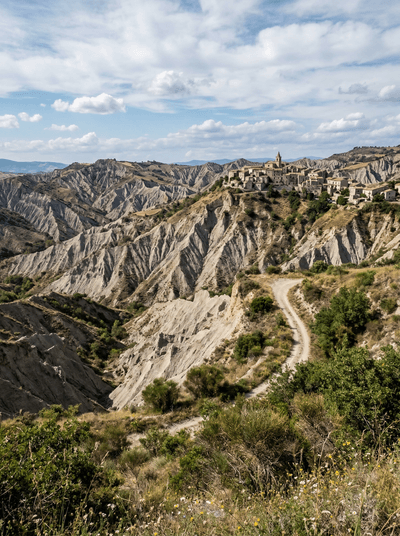
Calanchi di Aliano
Italy
Grey clay badlands stretching to the horizon, the exile landscape of Christ Stopped at Eboli.
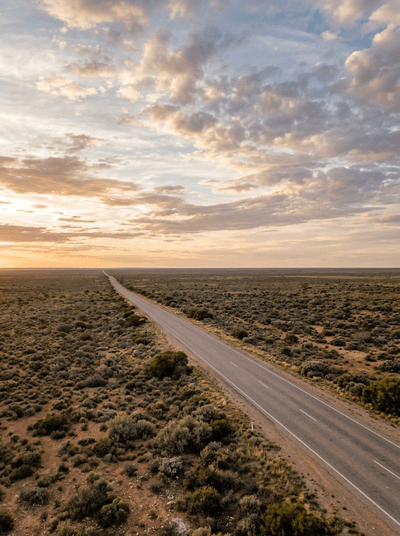
Nullarbor Plain
Australia
A treeless plain ending in sheer cliffs that drop into the Southern Ocean to the horizon.
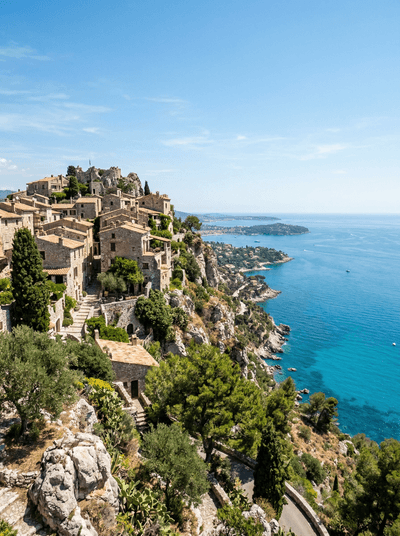
Èze
France
A stone eagle's nest 427 metres above the Mediterranean, with a cactus garden hanging over infinity.
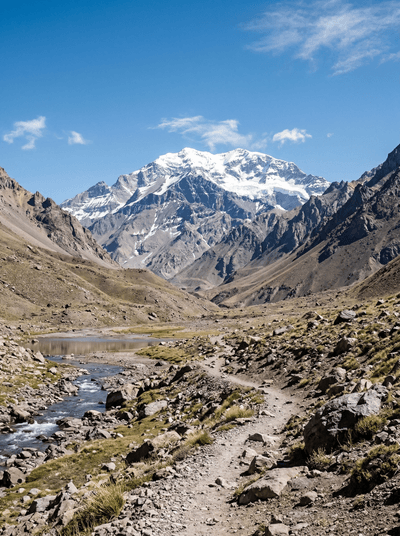
Aconcagua Provincial Park
Argentina
The rooftop of the Americas at 6,961 metres, filling the sky above high-desert valleys.
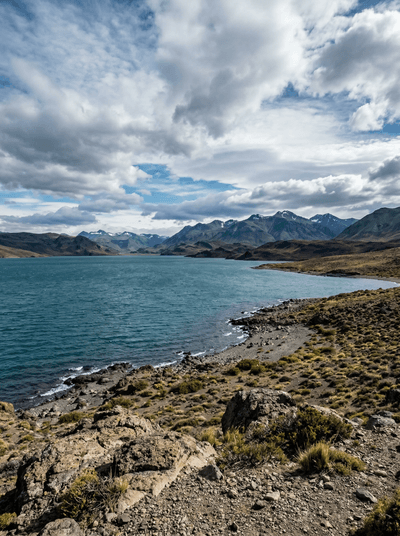
Lago Strobel
Argentina
A plateau lake where rainbow trout grow to sizes nature is not supposed to allow.
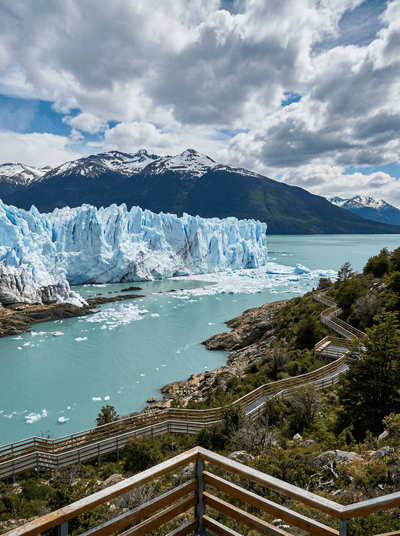
El Calafate
Argentina
A glacier calves office-block towers of ice into turquoise water as you watch.