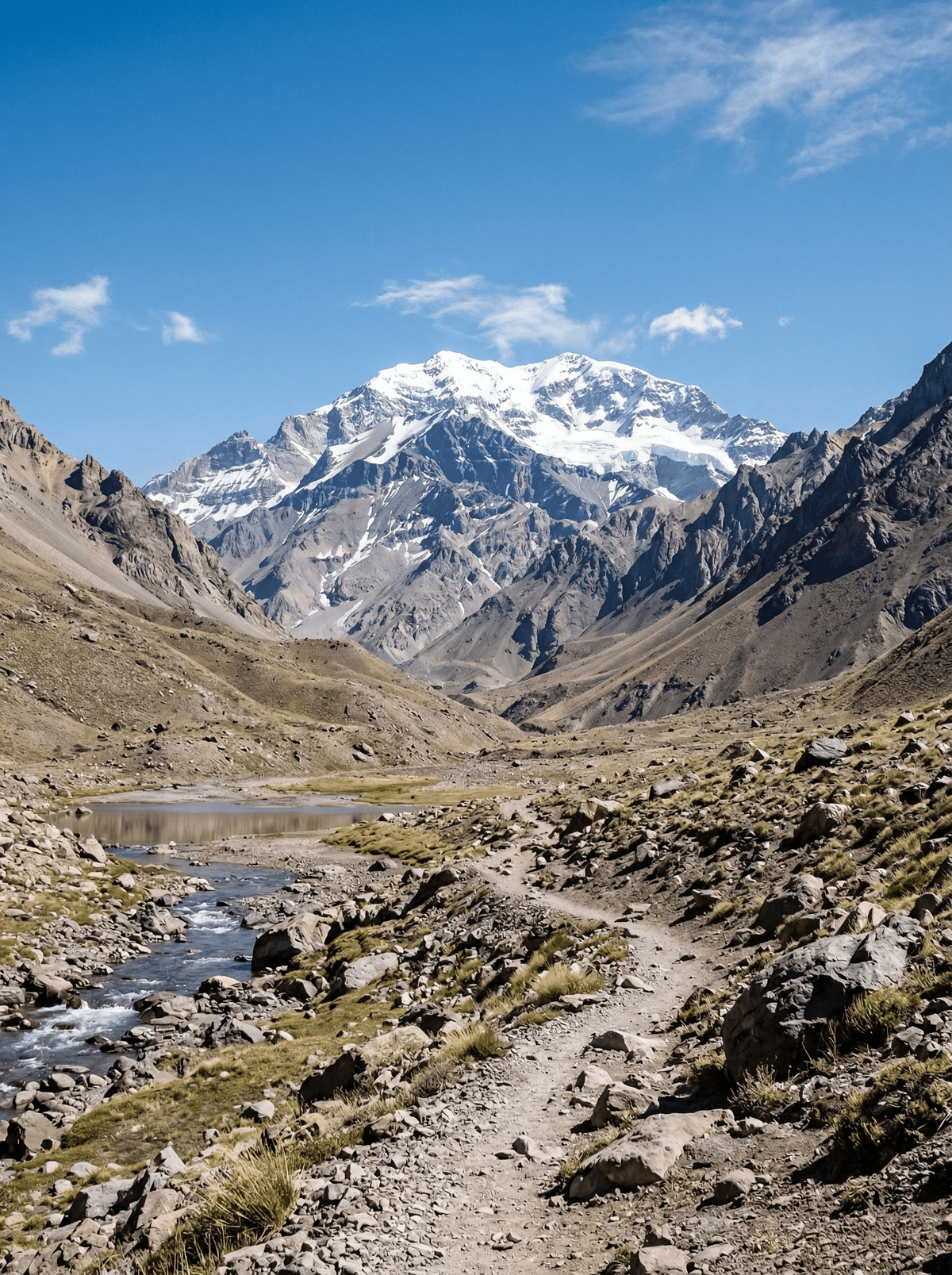
Argentina
Aconcagua Provincial Park
The rooftop of the Americas at 6,961 metres, filling the sky above high-desert valleys.
At 6,961 metres, Aconcagua is the highest point on Earth outside Asia, and its scale grows with every bend of the Horcones path — from the lagoon on the public circuit, the summit pyramid looks impossible for this latitude. The provincial park wraps the mountain in seventy thousand hectares of high Andean terrain, and the approach valleys reward walkers who never intend to go past the viewpoints.
Aconcagua is not a volcano, whatever its rocks once were — it crowns the Andes fold belt, and its Normal Route asks endurance rather than technical climbing — exactly why the park answers it with rules instead of romance: permits scaled to each route, seasons tied to conditions, and rangers empowered to turn climbers around at the first dangerous altitude signs. Thousands attempt the summit each season across two main lines — the northwest Normal Route and the technical Polish Glacier. Below all that sits the honest version: the marked Horcones circuit with its lagoon and interpretation, and, on a trekking permit, the two-day walk to Confluencia beneath the immense south face — one of the great Andean viewpoints at a fraction of a full ascent's cost and risk. Nothing is sold on the trails; water and a full day's food travel with you.
Solo
Summit season draws climbers from all continents, and the camp culture of shared meals and route advice makes it one of the most sociable high-altitude scenes anywhere. The Horcones valley walks stand on their own without any summit intention.
Friends
A permitted group trek toward Confluencia — packs carried, camps under Andean skies, the summit pyramid appearing and vanishing above cloud — gives back in proportion to what it demands, with pace, hydration and a firm turnaround agreed in advance.
- The public Horcones circuit reveals the mountain over high-desert lagoons on a marked path.
- Permit-controlled routes run from day treks to full expeditions, each with its season.
- Rangers hold the authority to turn back climbers showing altitude symptoms.
- From the high routes the drop to the valleys below exceeds four thousand metres.
A full trail meal carried in for the Horcones day — the park sells nothing on its trails.
Mendocino wine and empanadas in the roadside villages before the mountain, or in celebration after it.
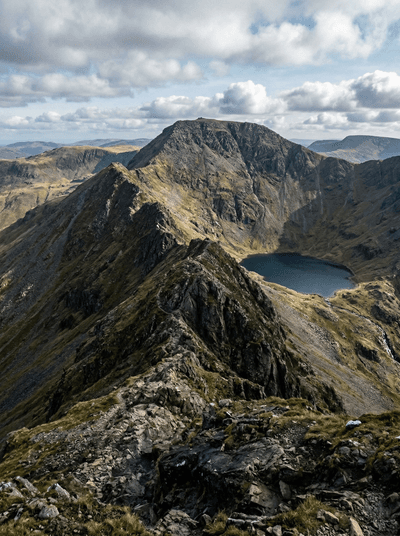
Helvellyn via Striding Edge
England
A knife-edge ridge with sheer drops on either side and nothing but sky ahead.
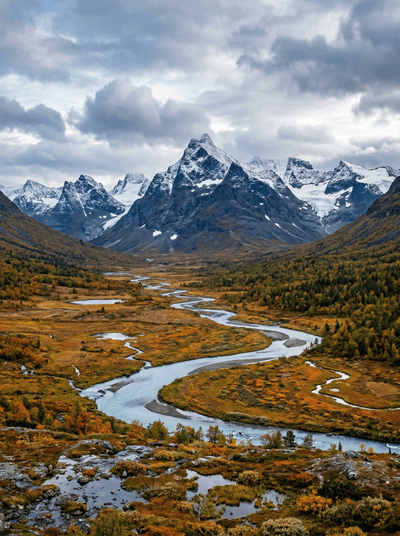
Sarek National Park
Sweden
Europe's wildest corner — no trails, no huts, no bridges; glaciers and river fords alone.
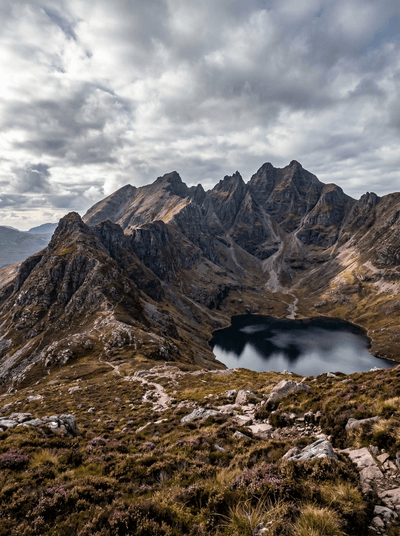
An Teallach
Scotland
Pinnacled ridges and plunging corries form a mountain so fierce it tests the bravest scramblers.
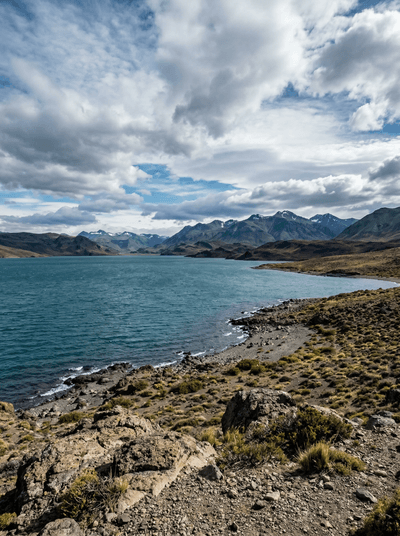
Lago Strobel
Argentina
A plateau lake where rainbow trout grow to sizes nature is not supposed to allow.
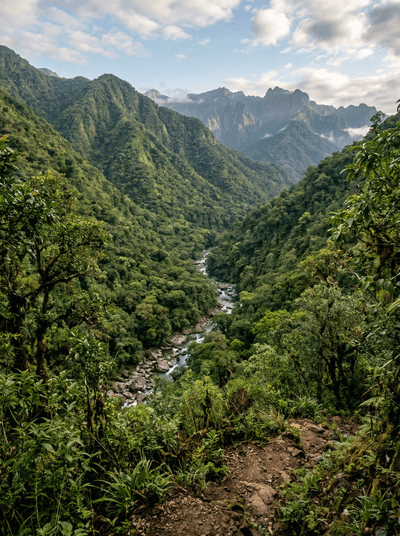
Parque Nacional Calilegua
Argentina
Cloud forest draped in moss where jaguars still prowl a jungle climbing from the Chaco.
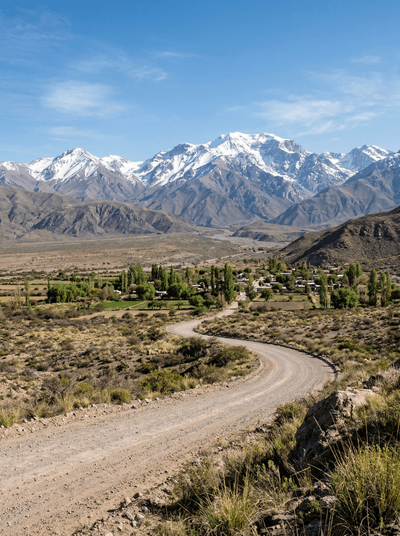
Barreal
Argentina
A dried lakebed so flat and white it doubles as a land-sailing course beneath the Andes.
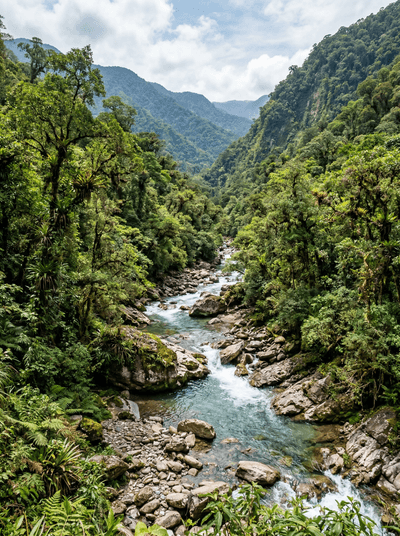
Parque Nacional Baritú
Argentina
Subtropical jungle with no Argentine road in — the country's most inaccessible park.