Palau
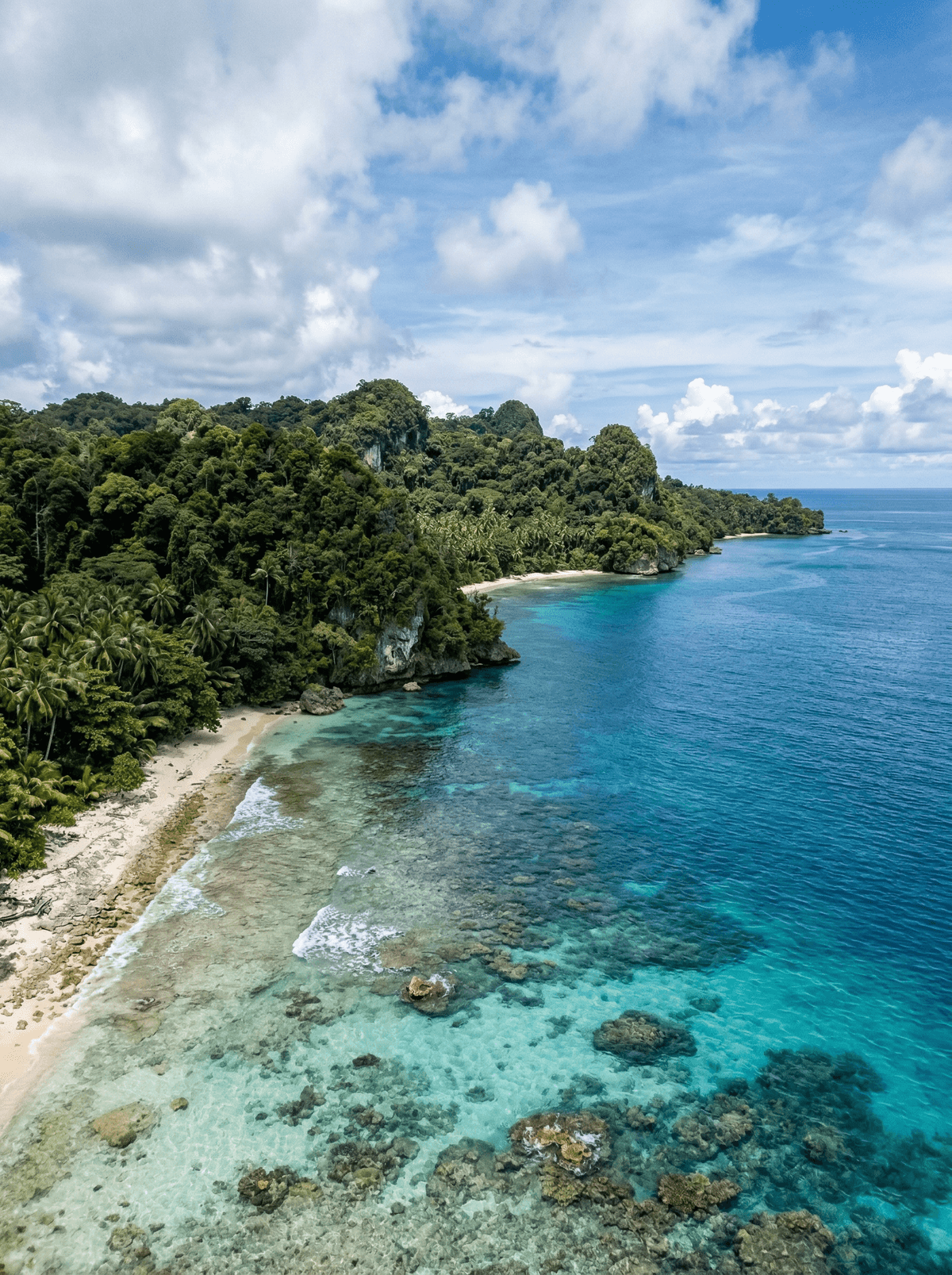
Peleliu Island
Rusted tanks swallowed by jungle and bullet-scarred caves where silence replaced the guns of 1944.
The jungle has taken everything back. A Japanese tank sits in the undergrowth with roots threading through its hatch, and bullet pockmarks still dimple the coral-rock caves where soldiers held out for weeks. The only sound now is birdsong and wind moving through trees that have grown up through the wreckage.
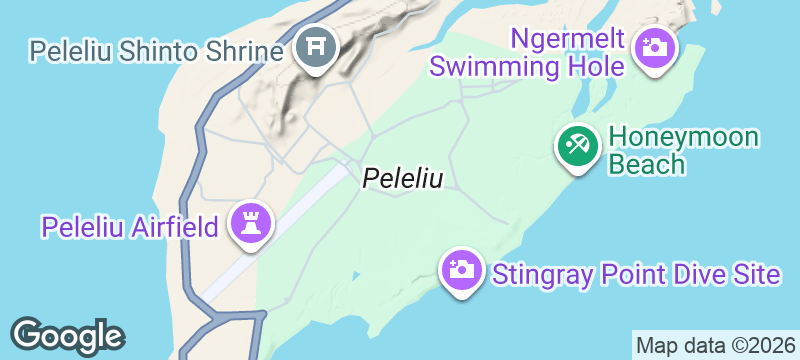
Peleliu Island in Palau was meant to fall in three or four days; the commanding general called it a quickie. The battle that began on 15 September 1944 instead ground on for around two months, through heat that reached 46 degrees Celsius and the Umurbrogol ridge's five hundred natural caves, killing more than ten thousand Japanese defenders and costing America some 9,600 casualties; the last Japanese holdouts did not emerge until 1947. What they left is still here. A Type 95 tank, American landing vehicles, gun positions and fortified caves rest in the forest where they stopped, with no museum glass in between, on an island that is also a living village community. Local operators who have guided Peleliu for more than twenty years walk visitors through it; unexploded ordnance remains in the ground, so the battlefield is explored with a guide, on known routes.
Solo
Walking the ridgelines with a local guide lets the weight of the place settle properly. Peleliu demands reflection, and a day moving at your own pace inside a guided itinerary gives it room.
Friends
A history-minded group can fill at least eight hours connecting caves, gun positions, armour and memorial sites. The conversation that starts at a bullet-scarred cave mouth keeps going long after the boat turns for Koror.
- Commanders predicted an operation of three or four days; the fighting from 15 September 1944 lasted around two months, and the final Japanese holdouts surrendered only in 1947.
- The Umurbrogol massif, which the Marines named Bloody Nose Ridge, holds some five hundred natural caves that turned the battle into a siege fought cave by cave.
- War remnants are scattered across the island to see up close, from a Japanese Type 95 tank to American landing vehicles, resting where they stopped eight decades ago.
- Full days from Koror run at least eight hours with historic-site permits included, while Peleliu-based guides with over twenty years' practice build custom itineraries.
Day tours from Koror bring the kitchen along: a barbecue grilled mid-route on the island, cold drinks from the boat cooler.
Staying over, Storyboard Beach Resort's lagoon-edge kitchen cooks traditional Palauan plates alongside oriental and western ones; on an island with few kitchens, order a day ahead.
Suva
Fiji
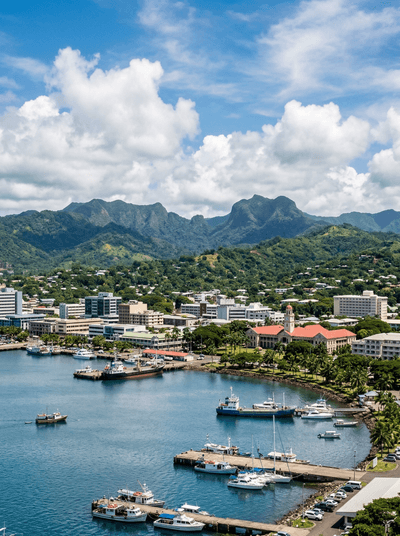
South Pacific hustle where Hindu temples share streets with Fijian markets and colonial verandahs.
Levuka
Fiji
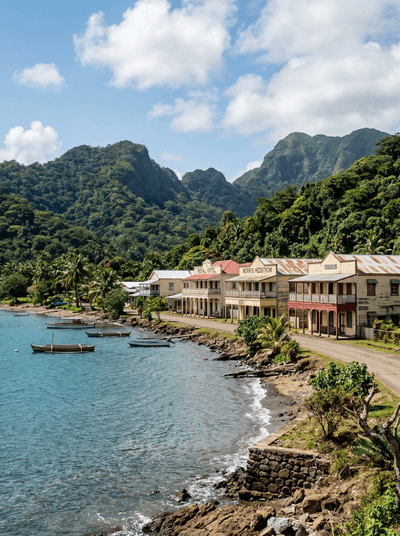
Fiji's first colonial capital frozen in the 1870s, wooden shopfronts sagging under tropical rain.
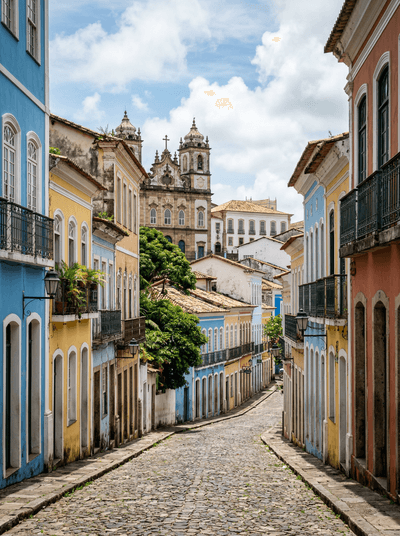
Salvador
Brazil
Drum rhythms ricocheting off colonial walls where song, dance and combat happen at once.
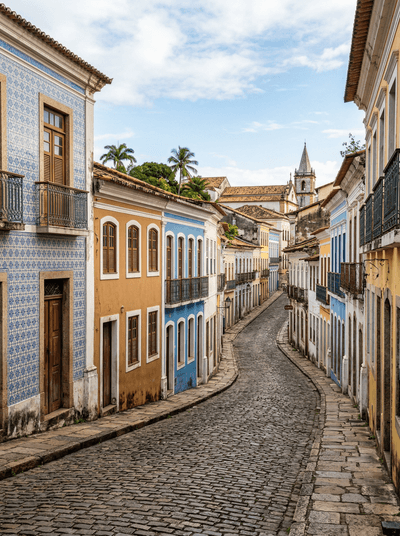
São Luís
Brazil
Hand-painted Portuguese tiles across four thousand colonial houses, cooling the walls against equatorial heat.
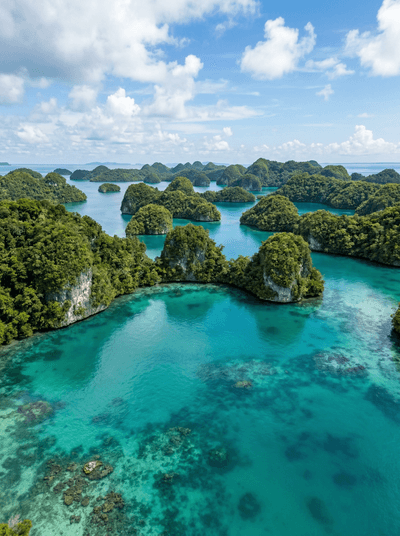
Rock Islands Southern Lagoon
Palau
Hundreds of mushroom-shaped limestone islands floating on water so clear the shadows have shadows.
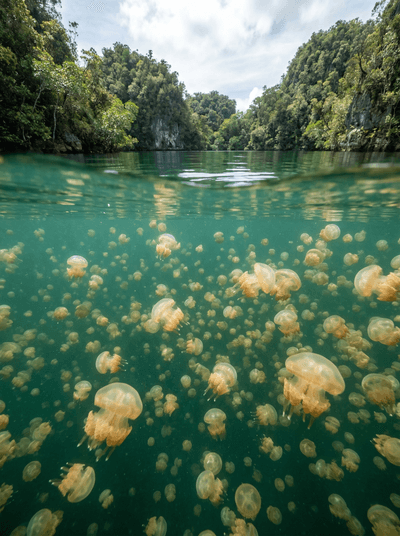
Jellyfish Lake
Palau
A lake where golden jellyfish chase the sun and stop dead at the shadow line.
Blue Corner
Palau
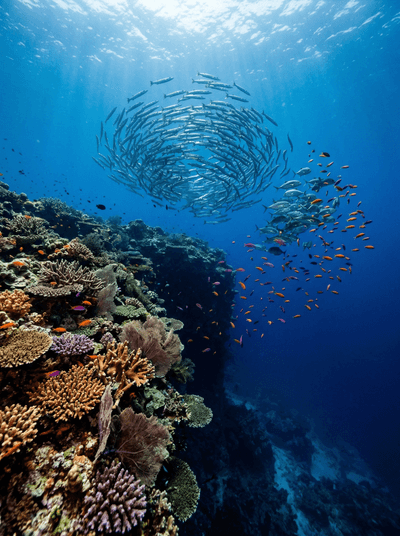
Hook into bare rock, hang in the current, and let the sharks come to you.
German Channel
Palau
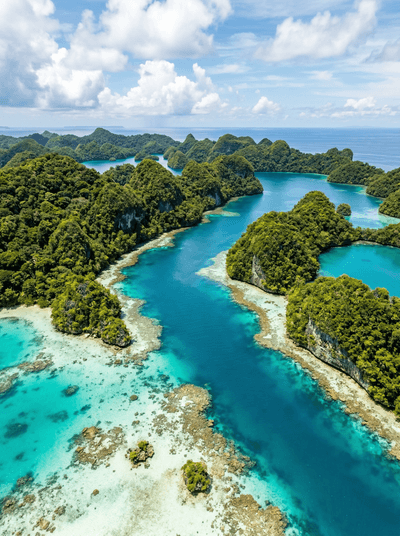
A reef passage dynamited by German colonists for phosphate cargo, now a manta ray highway.