Mexico
Pico de Orizaba
Mexico's highest mountain rises from forest routes to a serious high-altitude summit.
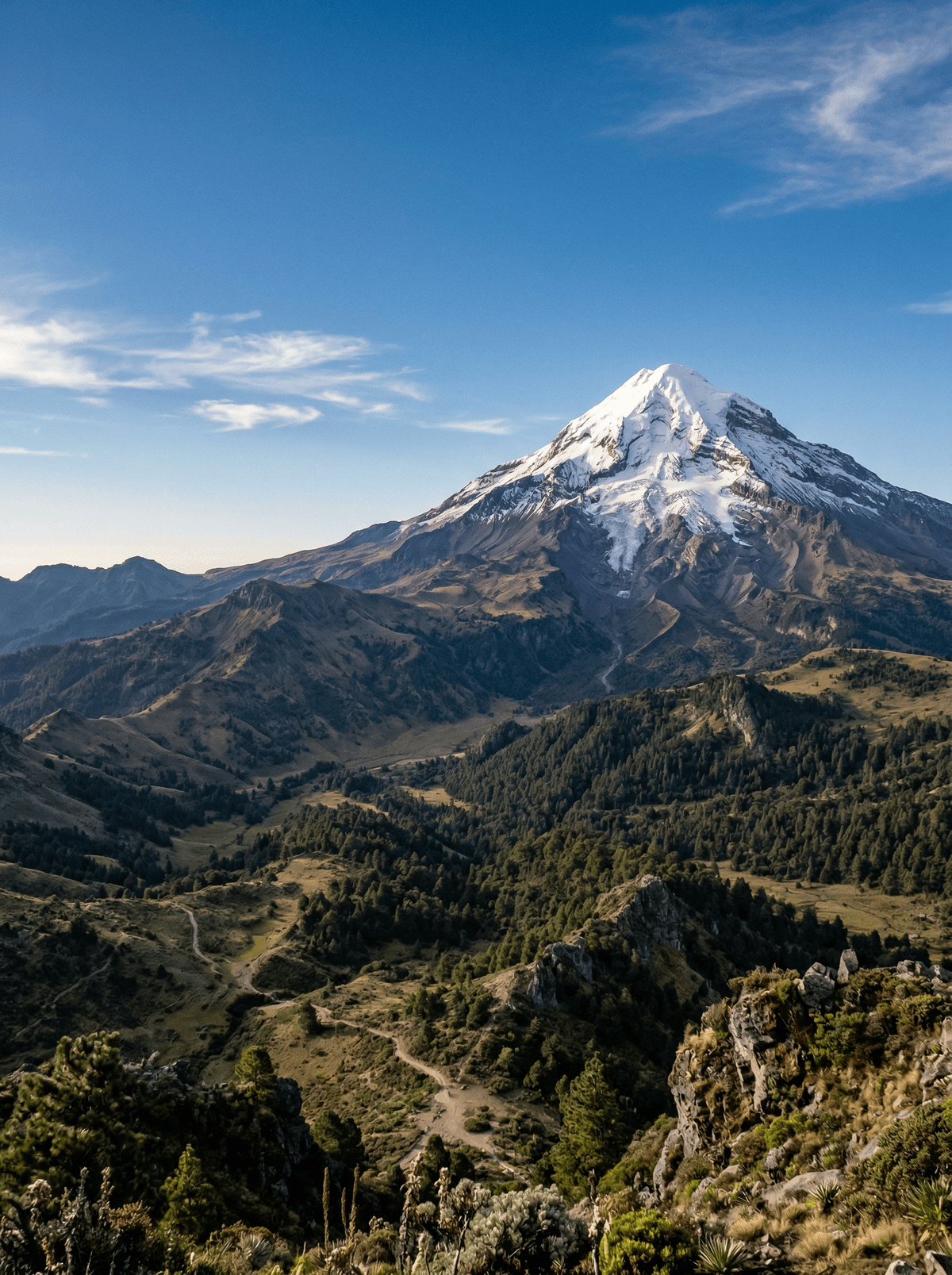
The volcano stands so far above everything else that it reads as weather. A white cone hangs over Veracruz's green hills, visible from the Gulf on clear days.
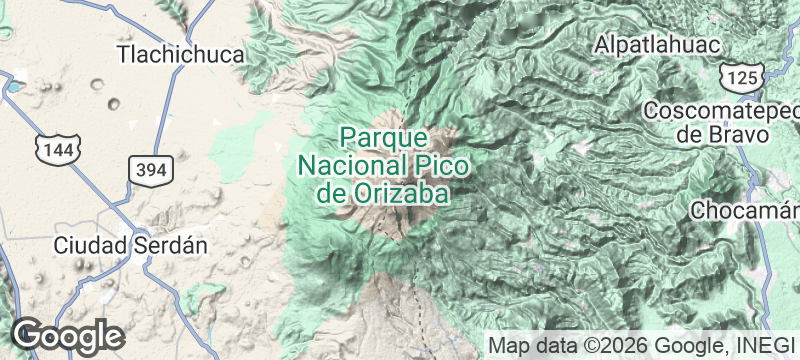
Citlaltépetl, Pico de Orizaba, is Mexico's highest protected mountain at around 5,600 metres, with lower trails and ecotourism centres opening the mountain to walkers with no summit ambitions. The climb itself is serious high-altitude mountaineering requiring skills, equipment and current local advice. In the foothills, Coscomatepec keeps its reputation as bread country, its wood ovens still burning oak.
Solo
Walk the lower trails with the summit as scenery rather than objective.
Friends
Attempt the mountain only as a properly equipped, properly advised team.
- Citlaltépetl is Mexico's highest protected mountain at around 5,600 metres.
- Lower trails and ecotourism centres open the mountain to walkers who never intend the top.
- The summit is serious high-altitude mountaineering needing skills, equipment and current advice.
Coscomatepec in the foothills is celebrated as Veracruz's bread capital.
Cuyachapa's artisan goat's cheese and tamales de frijol gordo fill out Coscomatepec's table.
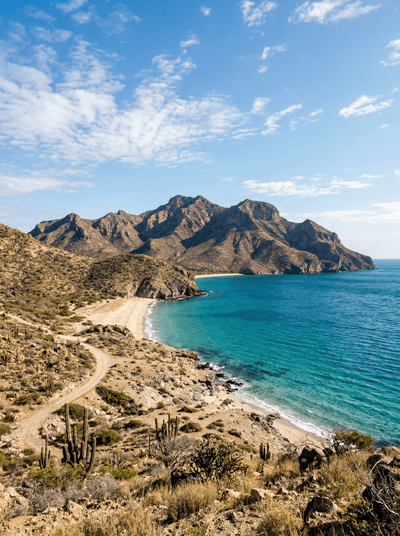
Isla Cerralvo
Mexico
Volcanic ridges rise offshore from La Ventana above reefs shaped by Gulf currents.
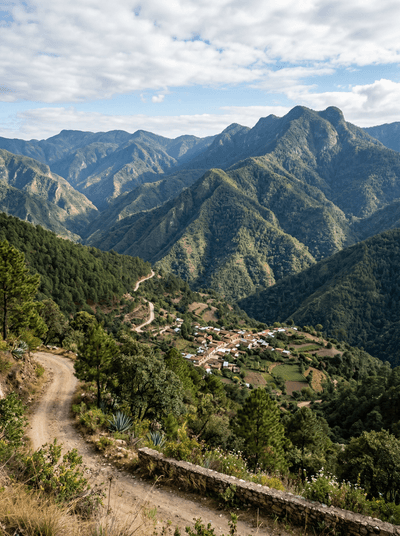
Oaxacan Sierra Norte
Mexico
Cloud-forest trails link Zapotec villages that invented community ecotourism in Mexico.
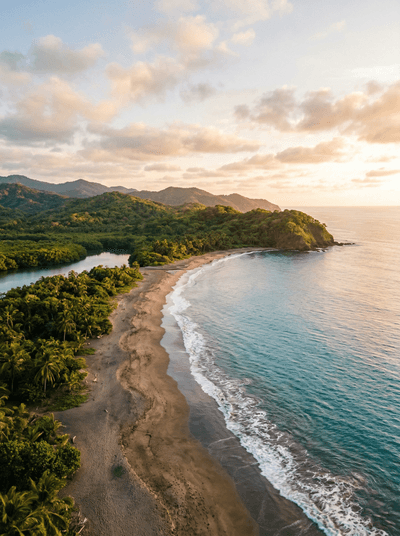
San Blas
Mexico
A historic Pacific port opens onto mangrove channels and long sandy breaks.
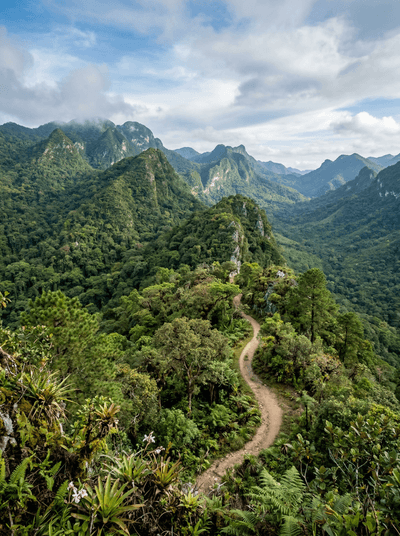
El Cielo Biosphere Reserve
Mexico
Tropical forest gives way to cloud forest along one steep Tamaulipas reserve.