Mexico
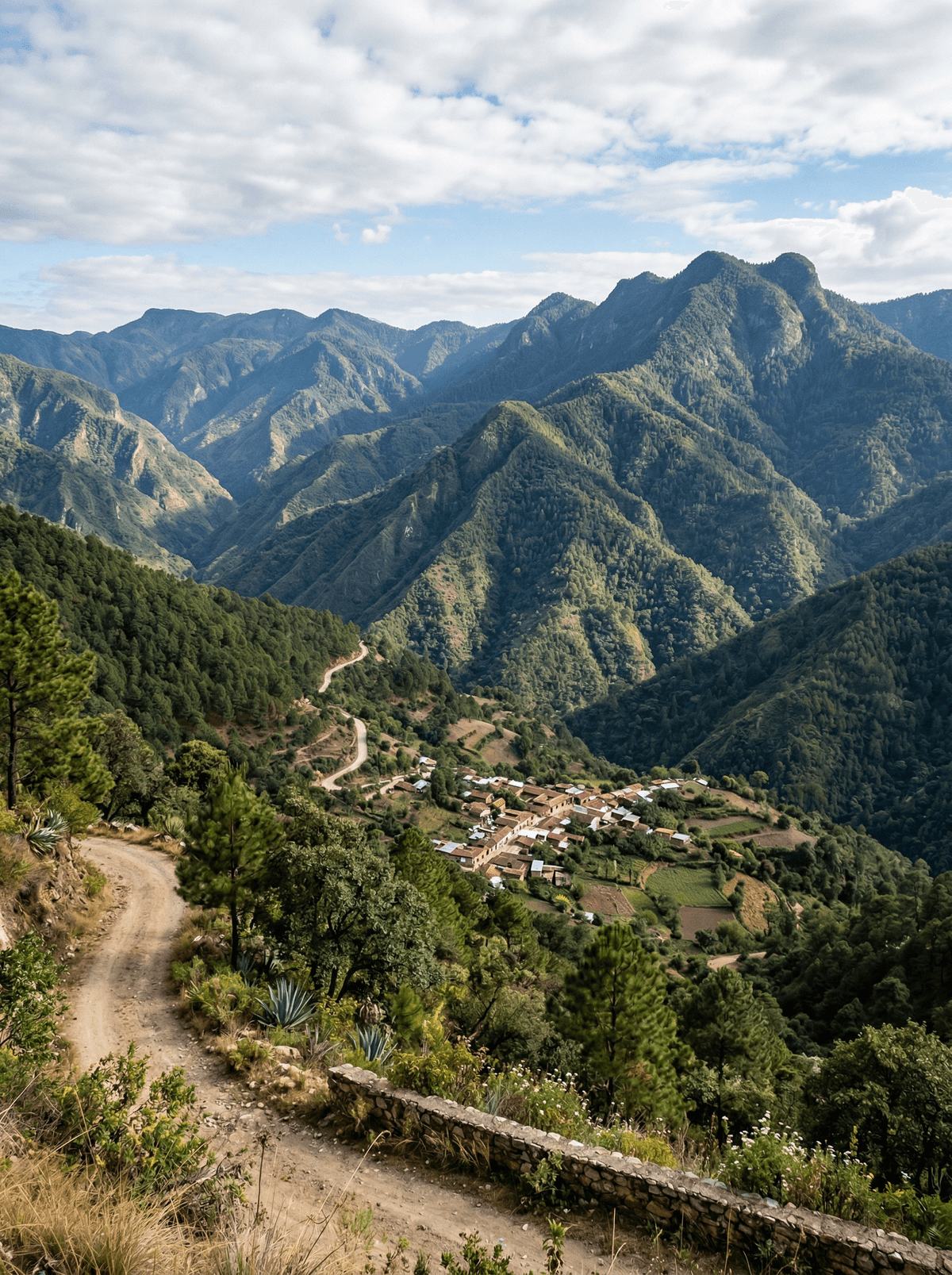
Oaxacan Sierra Norte
Cloud-forest trails link Zapotec villages that invented community ecotourism in Mexico.
The trail leaves one village in cloud and arrives at the next in sunshine, and both are expecting you. In the Sierra Norte the guides are neighbours, the cabins are village-built and the forest is common property in the fullest sense.
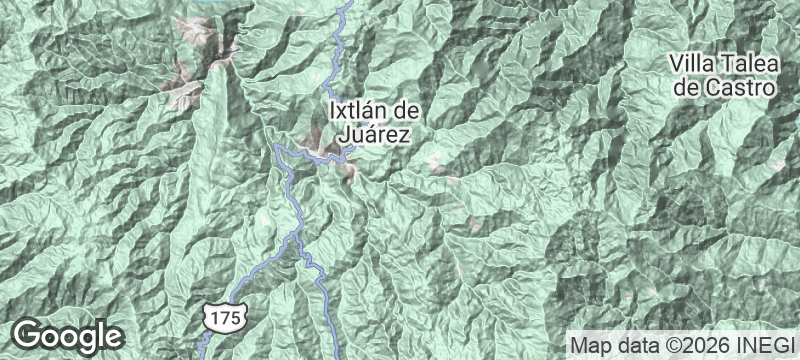
The Pueblos Mancomunados of the Sierra Norte are credited with inventing community-based ecotourism in Mexico, running their cloud-forest trails, cabins and comedores as village enterprises around 3,000 metres. Walking routes and long mountain-bike descents connect the settlements, dropping from cloud forest towards warmer valleys. Seasonal wild mushrooms are a local pride, celebrated in Cuajimoloyas' summer fair.
Solo
Walk village to village with local guides and sleep in community cabins.
Friends
Take the long mountain-bike descent together and earn the comedor supper.
- The Pueblos Mancomunados are credited with inventing community-based ecotourism in Mexico.
- Cloud-forest trails connect Zapotec villages around 3,000 metres, guided by village members.
- Long mountain-bike descents drop from cloud forest towards warmer valleys in a single run.
Village comedores comunitarios serve trout from the community farms and quesadillas of forest mushrooms in season.
Cuajimoloyas celebrates its wild-mushroom fair each summer, and pan serrano comes from village wood ovens.
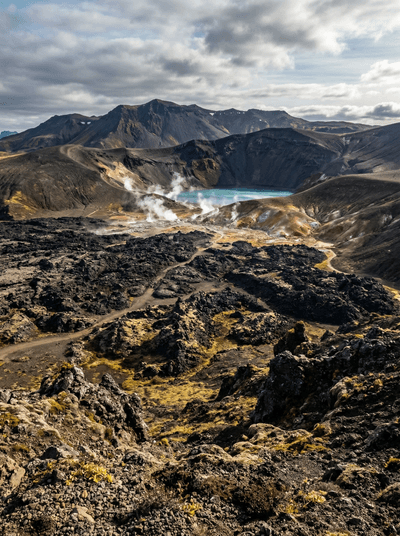
Krafla
Iceland
Boiling mud pots and steaming lava fields that still radiate heat decades after erupting.
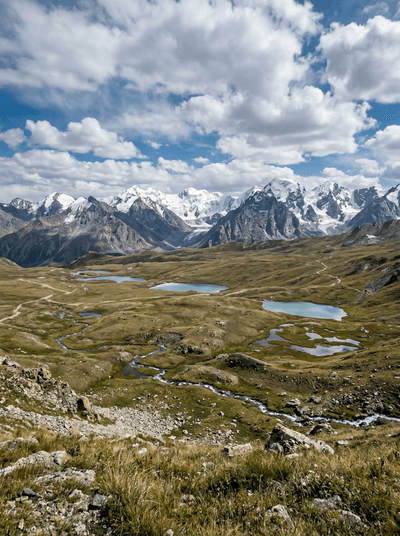
Arabel Plateau
Kyrgyzstan
Treeless tundra at 3,800 metres, dotted with fifty glacial lakes and retreating ice.
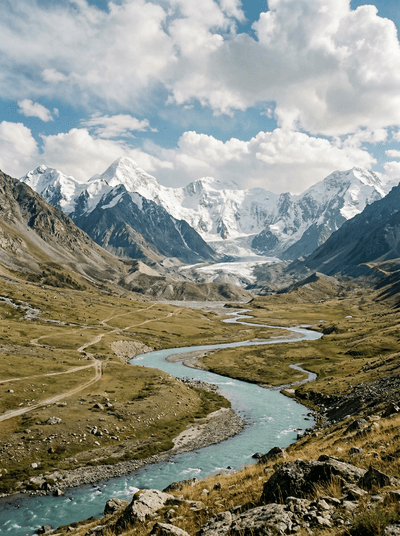
Sary-Jaz Valley
Kyrgyzstan
Abandoned Soviet mines guard a valley of steppe and glacier rivers at the Chinese border.
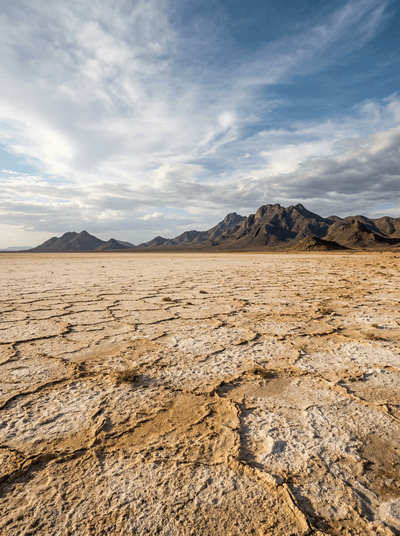
Chalbi Desert
Kenya
Heat mirages shimmer across a salt-crusted moonscape where Gabra nomads appear from the haze.
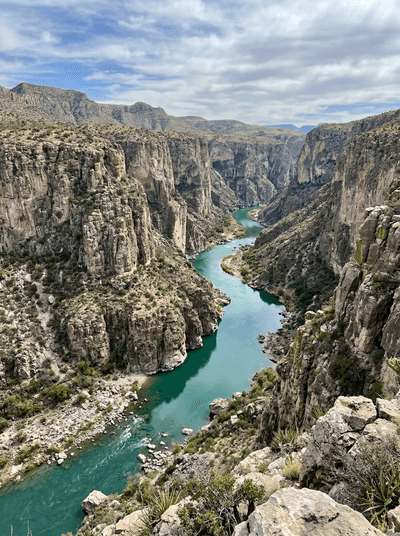
Cañón del Pegüis
Mexico
The Río Conchos cuts striped desert rock into a remote Chihuahua gorge.
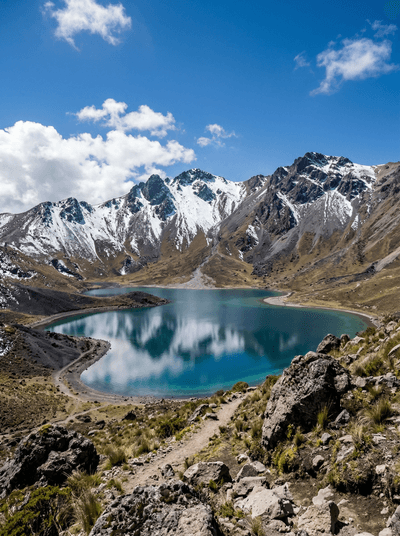
Nevado de Toluca
Mexico
Cold crater paths circle two high lakes beneath Mexico's shifting mountain weather.
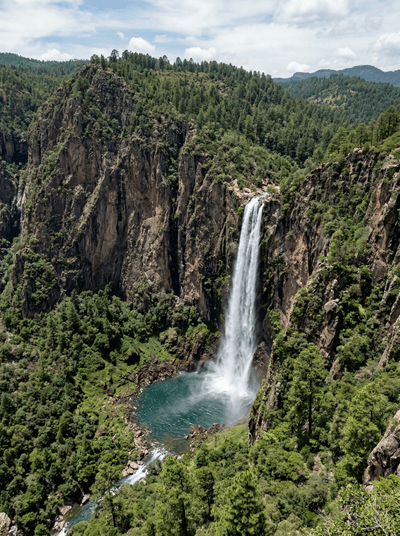
Basaseachi Falls
Mexico
Seasonal water plunges into a pine-lined canyon in Chihuahua's Sierra Madre.
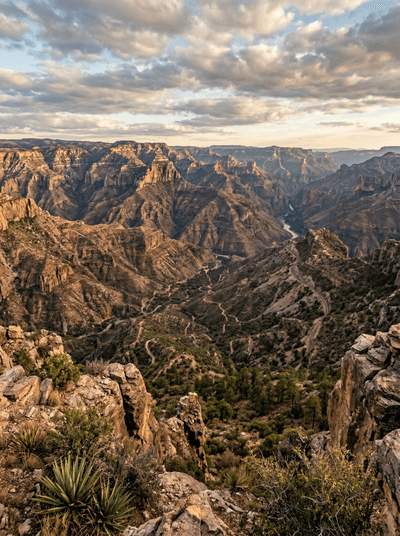
Copper Canyon
Mexico
The Chepe rides through canyon country that runs deeper than the Grand Canyon.