South Africa
Pilgrim's Rest
A gold-rush town survives as corrugated roofs, museum rooms and one long mountain street.
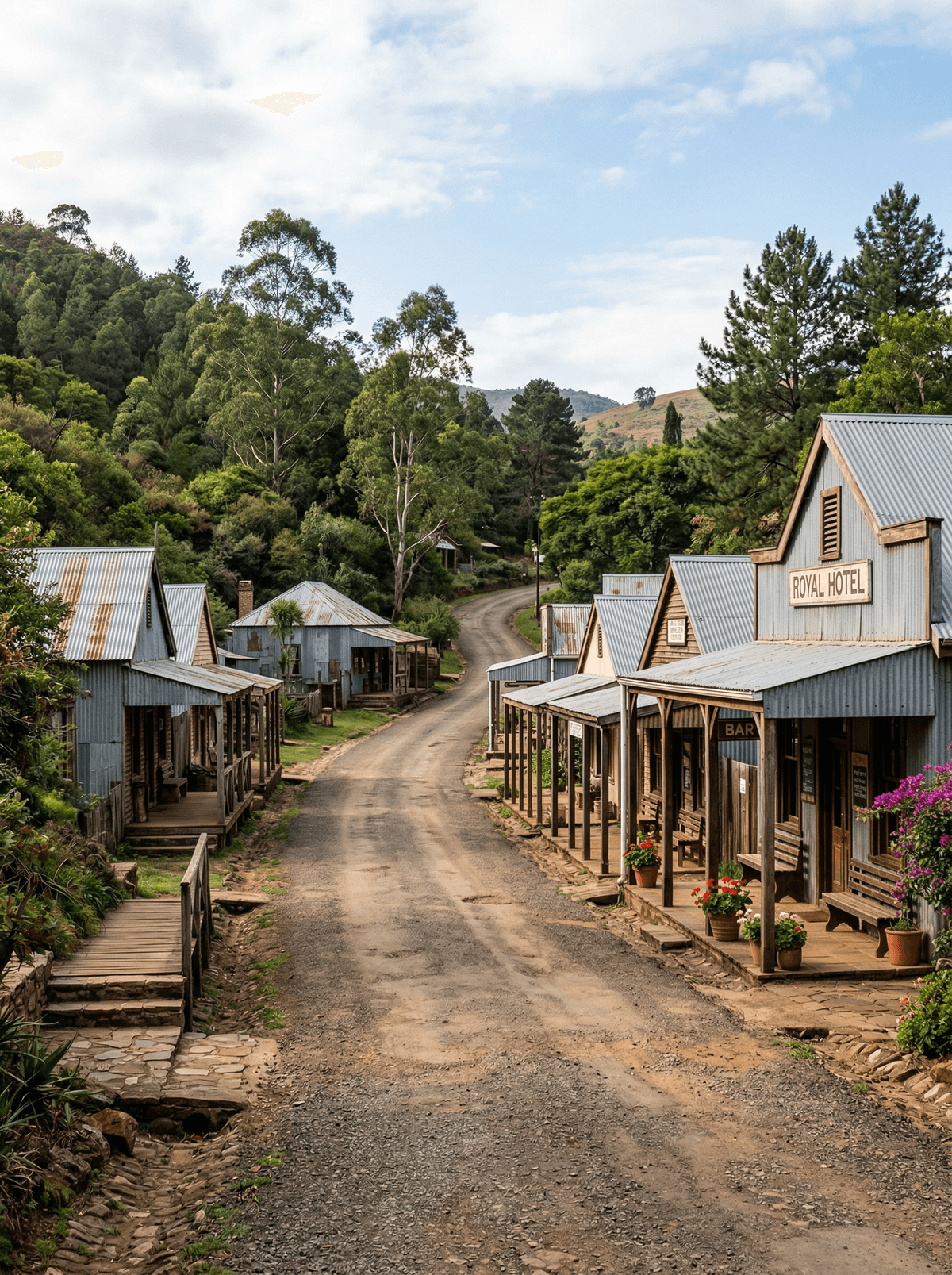
Morning light catches tin roofs while the surrounding escarpment keeps the valley cool. Verandas, shop fronts and mining relics hold one long street in the gold-rush years.
Pilgrim's Rest is worthwhile when read as a town rather than a themed photo stop. Museum rooms expose the distance between miners' labour and merchants' comfort. The mountain setting then explains why this settlement appeared here and how isolation preserved its fabric.
Solo
Walk the full main street, choosing a few provincial museum interiors rather than photographing every façade, then sit down for a café lunch.
Couple
Stay long enough for the tour traffic to thin; the old streets, veranda cafés and surrounding escarpment feel more coherent at an unhurried pace.
Family
Use the mining demonstrations and most tangible museum rooms first, then let pancakes or a pie break up the heritage lesson.
Friends
A guided history walk gives the restored street context; follow it with one Panorama Route stop instead of turning the town into a quick costume backdrop.
- Pilgrim's Rest preserves buildings from the Transvaal gold-rush era.
- Provincial museums interpret mining and domestic life.
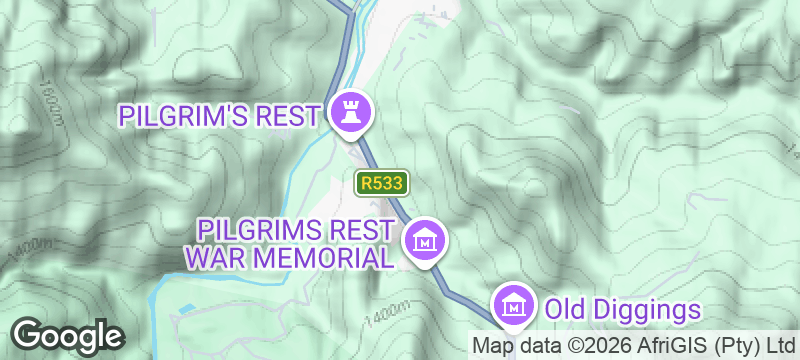
- The Panorama Route passes through the town.
- Its historic fabric is spread along a walkable main street.
Padkos here is Lowveld fruit: mangoes, granadillas and litchis bought along the escarpment road.
A homemade pie is the more substantial heritage-town lunch.
Tarma
Peru
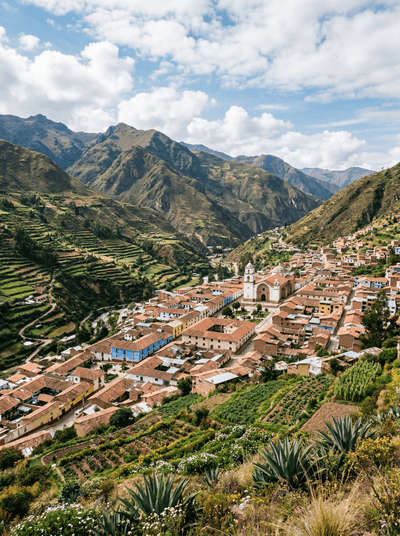
Streets carpeted in fresh flowers for Holy Week — a town redrawn in petals.
Schellenberg
Liechtenstein
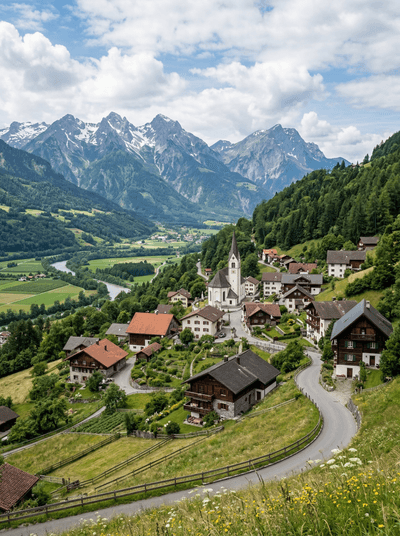
Schellenberg keeps two ruined castles on one ridge; the bigger one lets you barbecue inside.
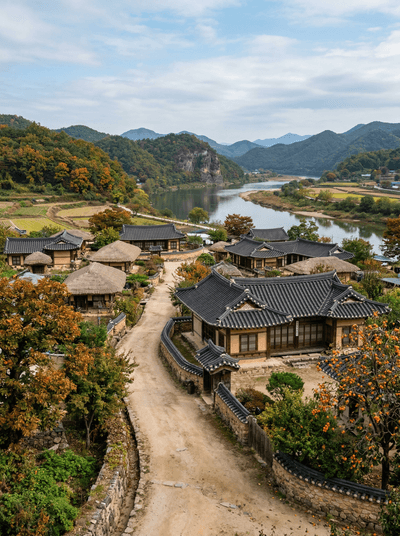
Andong Hahoe Village
South Korea
One clan has lived inside this river bend for six hundred years.
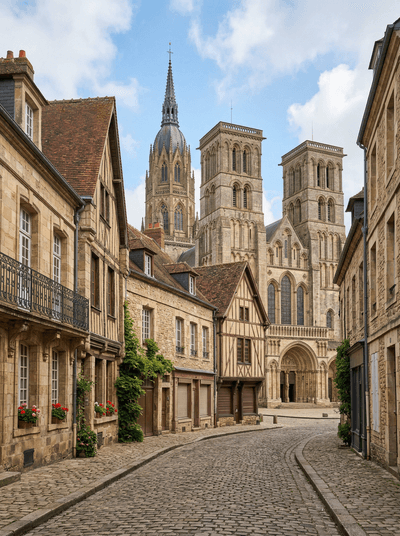
Bayeux
France
The town war forgot to bomb, keeper of the embroidery that stitched 1066.
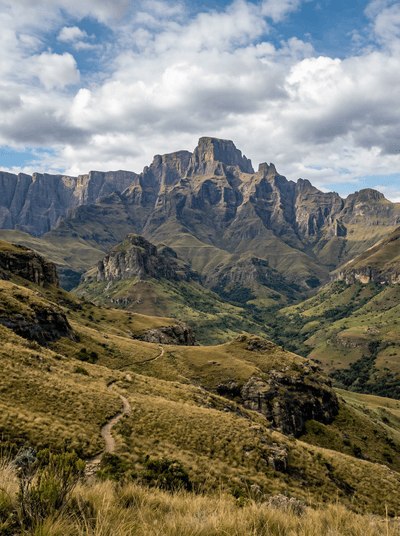
Giant's Castle
South Africa
Vulture thermals circle above high grassland folded beneath the Drakensberg escarpment.
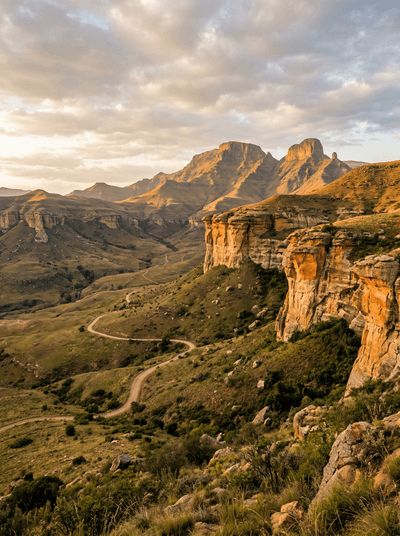
Golden Gate Highlands National Park
South Africa
Sandstone walls flare gold above grassland where black wildebeest graze.
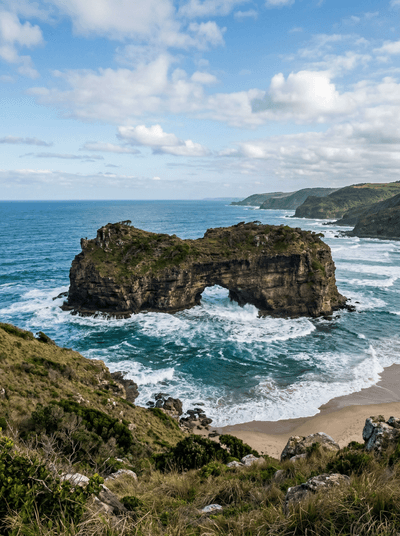
Hole in the Wall
South Africa
Surf booms through a freestanding cliff pierced by one immense sea arch.