Costa Rica
Poás Volcano
An acid lake steams and shifts colour inside one of Earth's widest active craters.
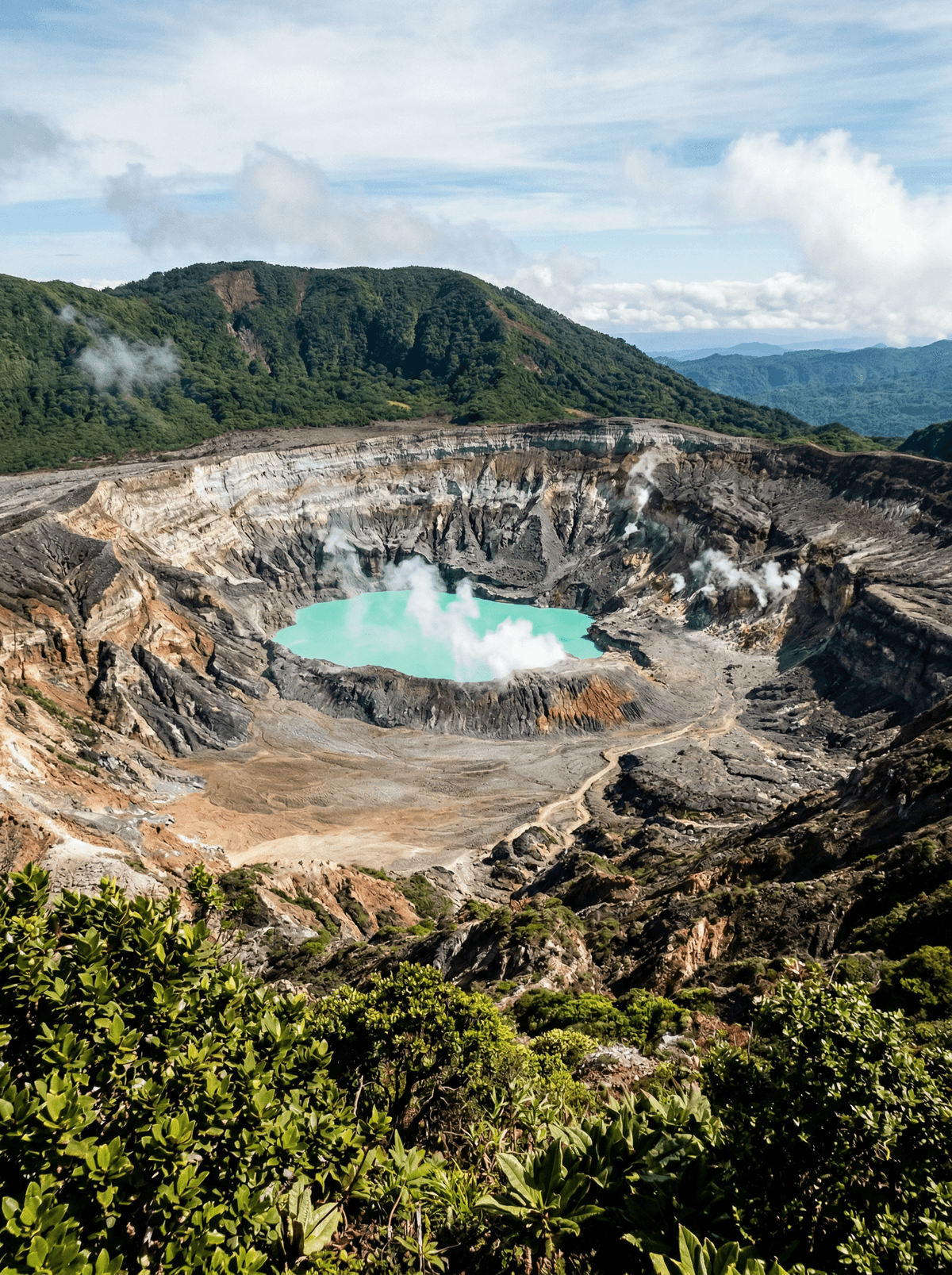
Sulphur sharpens the air before you reach the rim. Then the crater opens — 1.5 kilometres across, a turquoise acid lake steaming at the bottom, its colour shifting with volcanic chemistry in real time. Poás Volcano in Costa Rica's Central Valley holds one of the most acidic naturally occurring lakes on Earth, with a pH approaching zero.
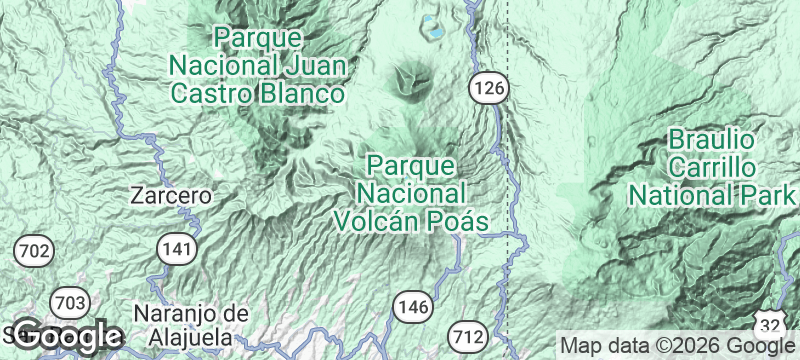
Poás is one of the world's widest volcanic craters, and the main viewpoint sits just 1.5 kilometres from the car park via a paved trail — fully accessible to anyone who can walk thirty minutes. A second crater, Botos, holds a cold, clear freshwater lake two hundred metres from the acid pit. The contrast between the two within a single walk is stark — one lake that would dissolve metal, another that sustains frogs and dragonflies. Strawberry farms and the Doka coffee estate cluster on the volcano's flanks, offering tours that pair the crater visit with the agricultural life built on volcanic soil.
Couple
The paved trail makes the crater accessible without the sweat, and the strawberry farms and coffee estates on the drive down turn the volcano into a full day of shared discoveries.
Family
A 30-minute walk to see one of Earth's most dramatic craters — no climbing gear, no guides required. Children are mesmerised by the colour-shifting lake, and the strawberry farms on the way down seal the day.
Solo
Arrive at opening time, before the cloud cover rolls in, and you may have the crater rim to yourself. The Botos lake trail is quieter still — a detour most visitors skip.
Friends
Combine the crater with Doka Estate's coffee tour and Vara Blanca's strawberry stands for a full-day loop that covers volcanism, agriculture, and some of Costa Rica's best roadside food.
- Poás holds one of the world's largest volcanic craters — 1.5km wide — and the most acidic naturally occurring lake on Earth, with a pH approaching zero.
- The main viewpoint is just 1.5km from the car park via a paved trail — fully accessible to anyone who can walk 30 minutes.
- A second crater, Botos, holds a cold and clear freshwater lake 200 metres from the acid pit — the contrast between the two within a single walk is striking.
- Strawberry farms and the Doka coffee estate cluster on the volcano's flanks — both offer tours that pair the crater visit with local agriculture.
Vara Blanca strawberry farms sell fresa con leche — milk so fresh it's still warm — from roadside stands.
Doka Estate coffee tour near the volcano ends with tasting high-altitude beans at their finest.
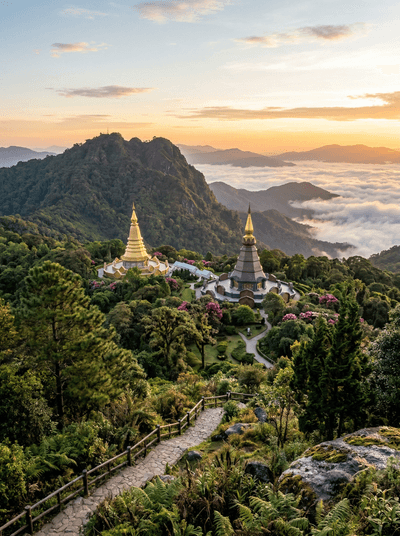
Doi Inthanon
Thailand
Thailand's rooftop, where twin pagodas pierce cloud forest and Karen villages farm the ridgelines.
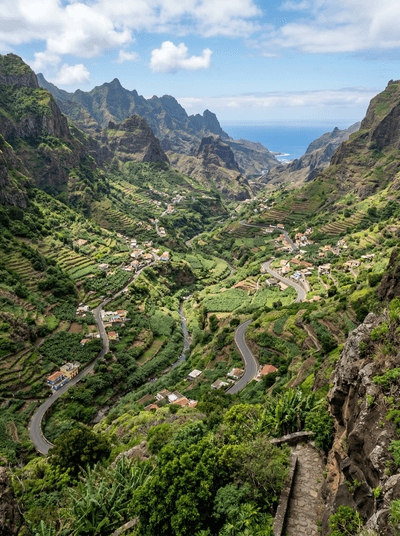
Vale do Paúl
Cape Verde
Sugarcane terraces spill down a volcanic crater into the greenest valley in the archipelago.
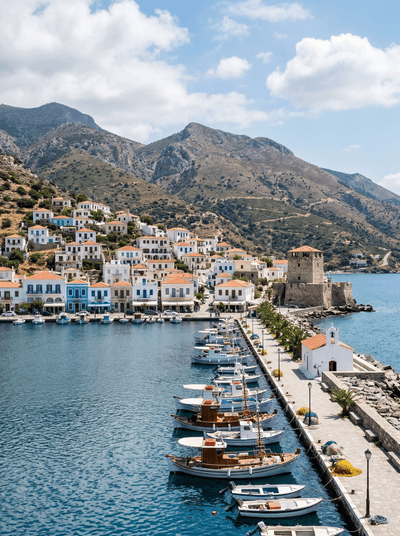
Karystos
Greece
Dragon houses of unknown origin crouch on windswept ridges above Greece's second-largest island.
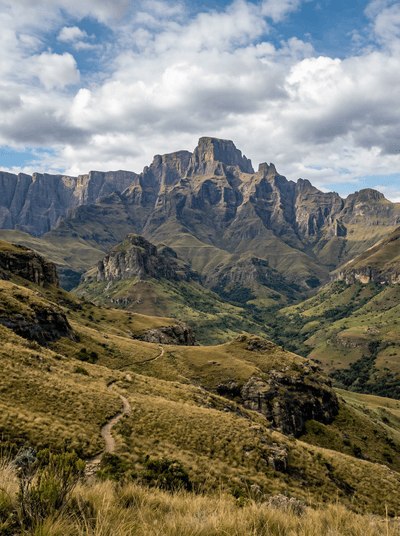
Giant's Castle
South Africa
San paintings in over 40 caves — artists hunted eland here for millennia before anyone noticed.
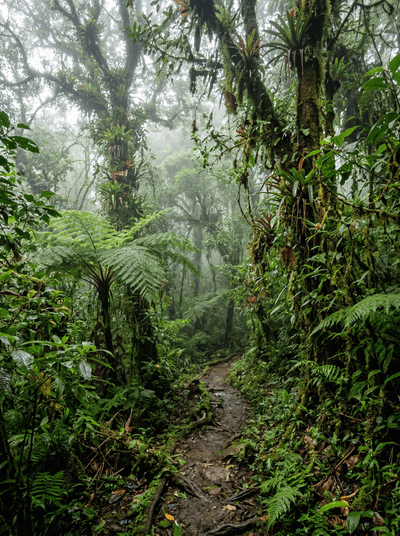
Monteverde Cloud Forest Reserve
Costa Rica
Mist so thick it beads on your eyelashes, orchids breathing in the canopy above.
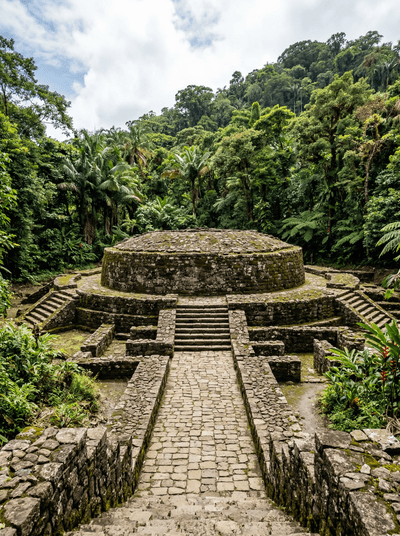
Guayabo National Monument
Costa Rica
Pre-Columbian aqueducts still carrying water through a 3,000-year-old city the jungle tried to swallow.
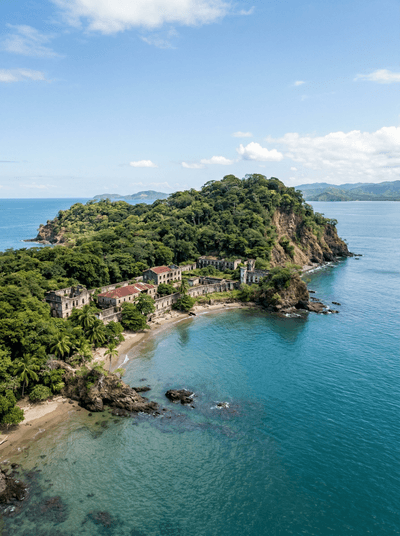
Isla San Lucas
Costa Rica
A prison island that held inmates for 118 years, now reclaimed by jungle and howler monkeys.
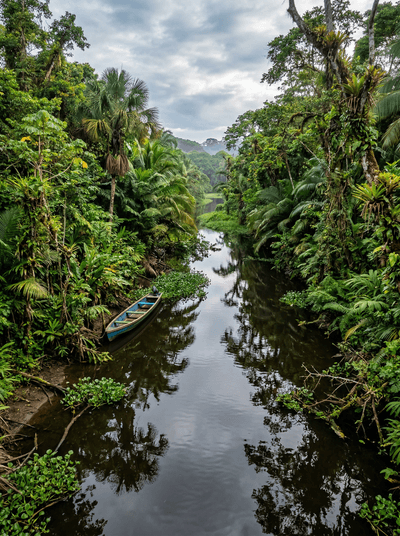
Tortuguero
Costa Rica
Jungle canals where green sea turtles haul onto black volcanic sand under a moonless sky.