Cape Verde
Vale do Paúl
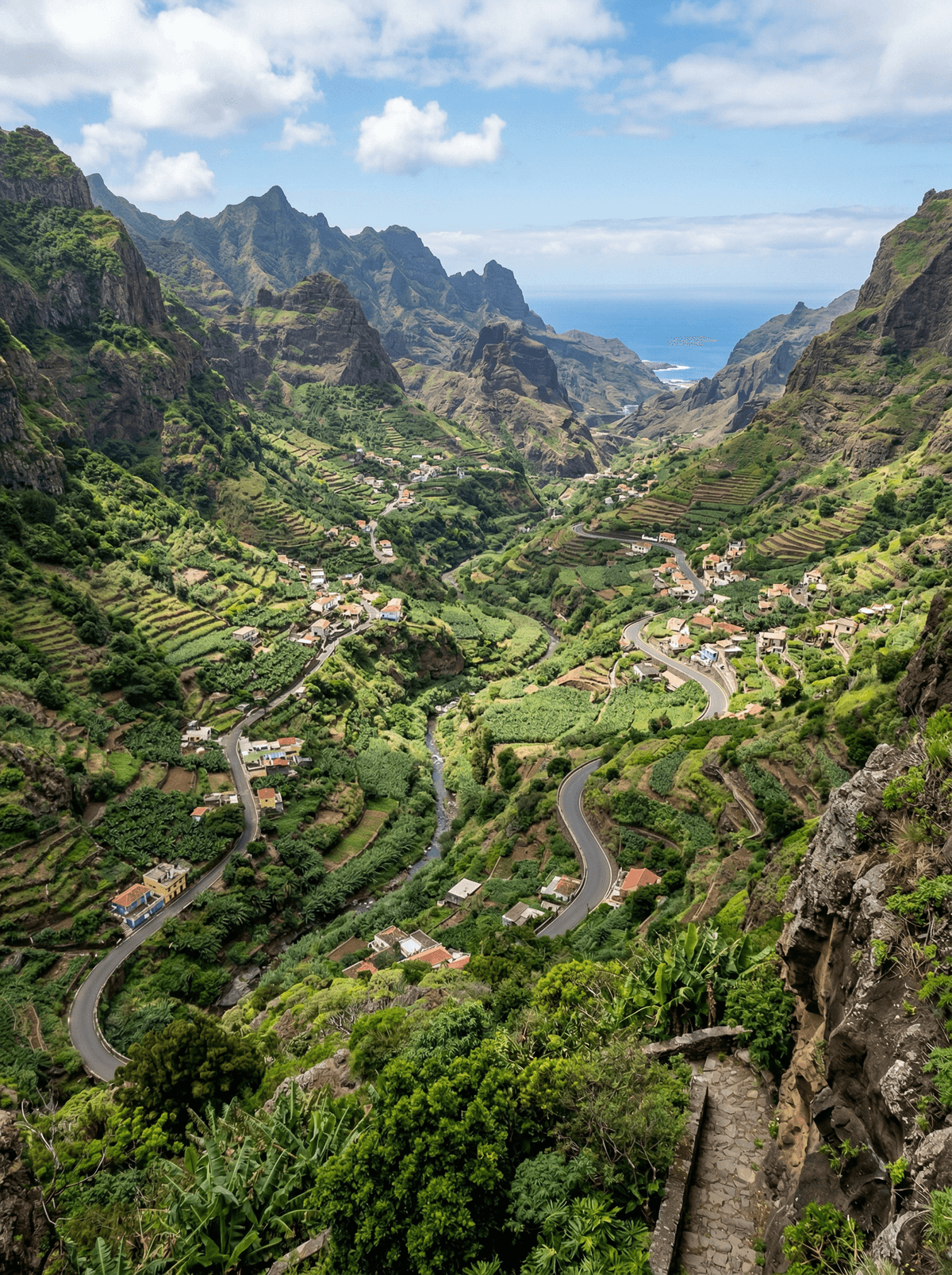
Sugarcane and coffee terraces pour off a crater rim into a valley threaded with running water.
Green comes as a shock after the ash-brown of the other islands: banana fronds, cane brakes and arabica coffee stacked in hand-built terraces up walls that are nearly vertical. Water runs everywhere, threading stone channels beside the paths on its way down to the sea at Vila das Pombas.
Paúl is the moist north-east corner of Santo Antão, and centuries of terrace-building have turned its basalt walls into one continuous farm: yams, cassava, sweet potatoes, papaya and mango growing between the cane. The cane feeds the island's oldest industry, grogue, the sugarcane spirit distilled on Santo Antão for centuries and drunk neat or stirred into ponche; tastings at working stills are part of the valley's guided walks. The island's signature route arrives from above, dropping off the rim of the Cova crater and switchbacking down through the terraces, a long morning of descent with the Atlantic filling the view ahead. It ends where the valley does, among the fishing boats and kitchens of Vila das Pombas.
Solo
Walk down from Cova unhurried, stopping wherever a still is pressing cane; the valley funnels you gently towards the sea and dinner.
Couple
Stay among the terraces, wake to banana fronds outside the window, and wander between villages with no agenda beyond the next tasting.
Friends
Take the crater-to-coast descent as a team, then claim a table in Vila das Pombas and argue over whether grogue or ponche won the day.
- Irrigated terraces grow sugarcane, arabica coffee, yams, bananas and papaya up near-vertical valley walls.
- Grogue, Cape Verde's sugarcane spirit, has been produced on Santo Antão for centuries.
- The classic Cova crater descent ends among Paúl's terraces, and guided valley walks include grogue and ponche tastings.
- Paúl is among Santo Antão's most fertile corners, green in a country of arid islands.
In Vila das Pombas, Paladar cooks Cape Verdean food and nothing else: cachupa, and whatever the sea handed over that morning.
Taste grogue where the cane grows; valley stills pour the new spirit and its gentler cousin, ponche.
Karystos
Greece
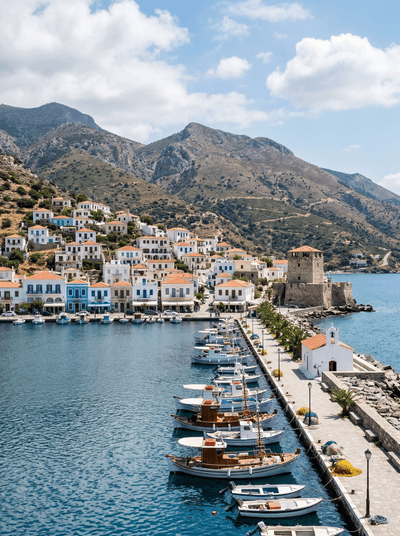
Dragon houses of unknown origin crouch on windswept ridges above Greece's second-largest island.
Chapada do Araripe
Brazil
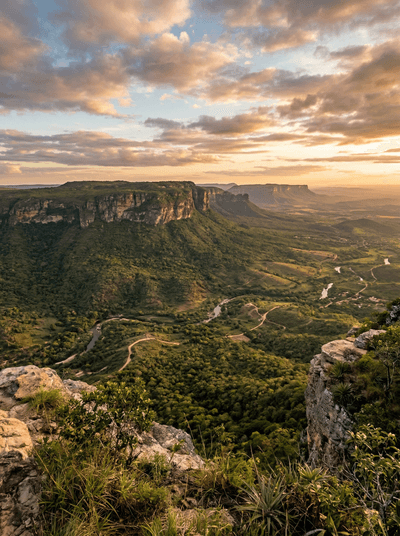
Diggers call this rock pedras de peixe, fish stones, and that is exactly what is inside.
Rudi
Moldova
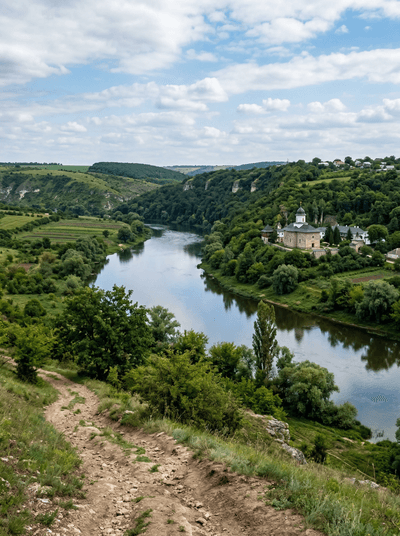
The Earth was measured from a stone in this orchard, on a line to the Arctic.
Assomada
Cape Verde
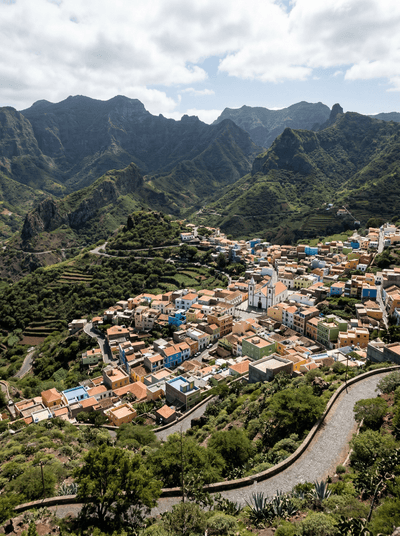
Papaya, maize and market din fill the highland town that feeds all Santiago.
Mindelo
Cape Verde
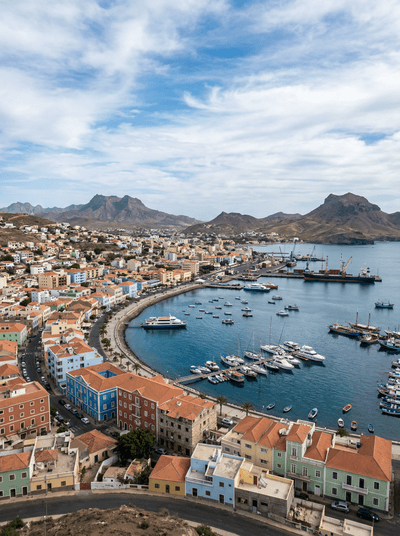
Morna drifts from harbour bars where the barefoot diva Cesária Évora first sang for sailors.
São Filipe
Cape Verde
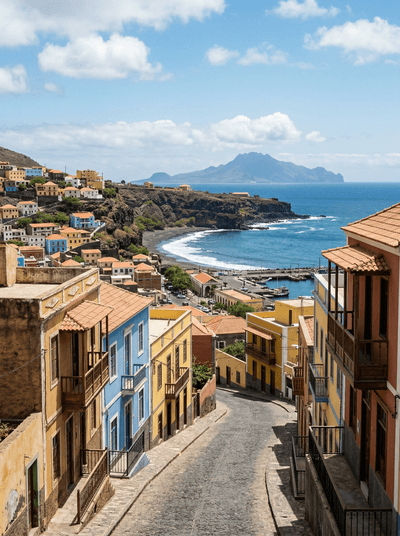
A hundred pastel sobrados crowd the clifftop above a beach of jet-black volcanic sand.
Salinas de Porto Inglês
Cape Verde
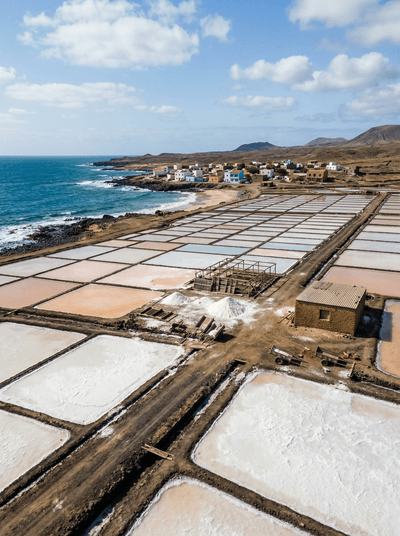
Women of the island's salt cooperative still harvest white gold from wetland pans.