Argentina
Punta Tombo
The continent's largest Magellanic penguin colony brays across the steppe before you see it.
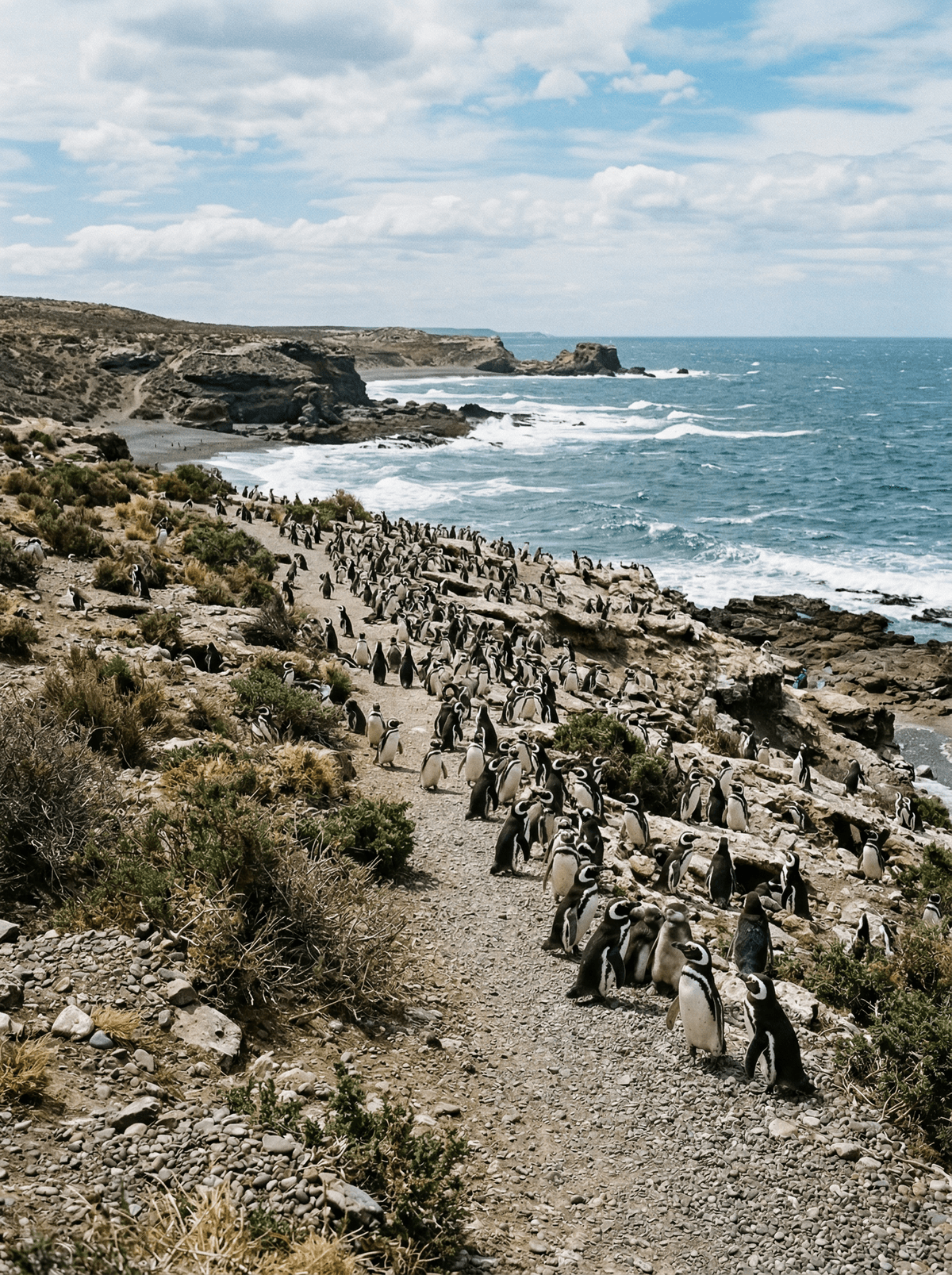
In season, hundreds of thousands of Magellanic penguins occupy Punta Tombo — the largest colony of the species on the continent — and the managed trail through the burrowed ground brings the density of life closer than seems plausible while the distance rules hold. The smell arrives before the sound, and the sound before the sight: a continuous burring and braying that carries across the steppe. A male who returns each year to the same burrow, to the same mate, needs no explaining to be understood.
Punta Tombo has been a protected reserve since 1979 and continuously monitored for over four decades, generating the kind of long-run behavioural dataset few colonies anywhere possess. Magellanic penguins winter in Brazilian and Uruguayan waters and return each spring to their natal ground — individual birds to within metres of the previous year's burrow. The visit obeys the colony's terms: check the season and opening notices, stay on the authorised path, and wait when a penguin decides to cross it, as the wardens instruct — they have right of way in every sense. Patient observation is the whole method; the reward is behaviour made legible, chicks emerging from burrows in late spring, and a coastline that also carries sea lions and, in migration season, orcas offshore.
Solo
The boardwalks at gate-opening, before the groups, make the colony legible rather than overwhelming — and the long flat drive south through steppe prepares the scale correctly.
Couple
The pairs here bond for years, the same two birds meeting at the same burrow each spring — a biological fact the colony's closeness makes emotionally immediate rather than abstract.
Family
Penguins at eye level, some deciding to cross the path you are standing beside, becomes the reference point for a lifetime of wildlife watching. The scale refuses comprehension until you stand in it.
Friends
Best combined with Península Valdés — days covering the most concentrated wildlife coastline outside the Galápagos, on a road trip that recalibrates the word remote.
- Magellanic penguins nest here by the hundred thousand, ignoring watchers on the authorised trail.
- Penguins cross the marked path continuously — wardens have visitors wait for them to pass.
- The colony stretches kilometres along the coast; an hour is the minimum to walk it.
- Chicks emerge from the burrows in late spring, when adults, juveniles and young overlap.
Langostinos and hake landed by the Chubut fleet, eaten in nearby Rawson.
Torta frita and mate at a gravel-road stop on the run back to Trelew.
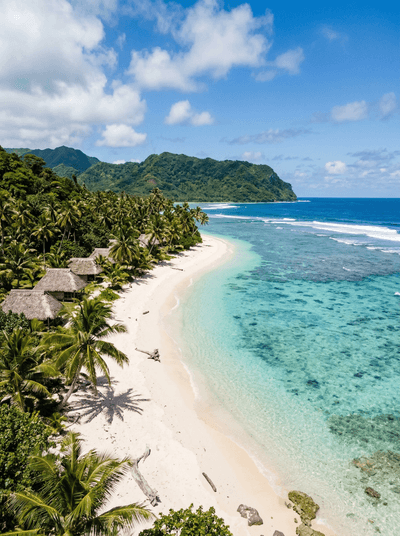
Lalomanu Beach
Samoa
A mile of white sand, a lagoon of reef fish, and Nu'utele dark on the horizon.
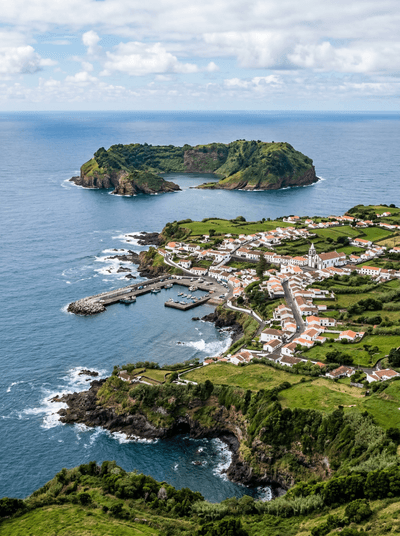
Vila Franca do Campo
Portugal
A volcanic crater rises offshore in an almost-perfect circle, the Atlantic pooling inside.
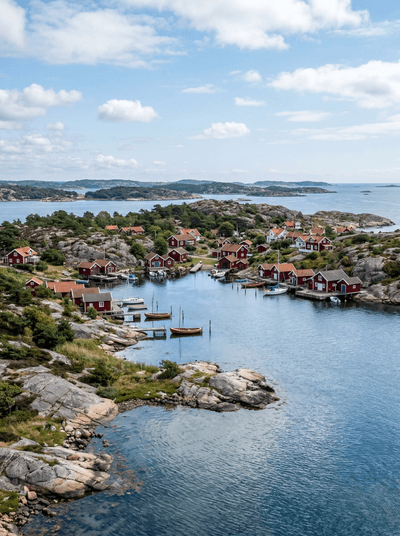
Gothenburg Archipelago (Southern)
Sweden
Granite islands polished by ice, where the swimming happens off sun-warmed rock shelves.
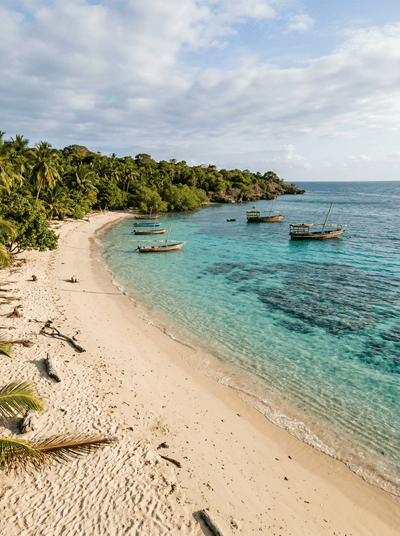
Mafia Island
Tanzania
The biggest fish in the sea feed each season off an island the crowds never found.
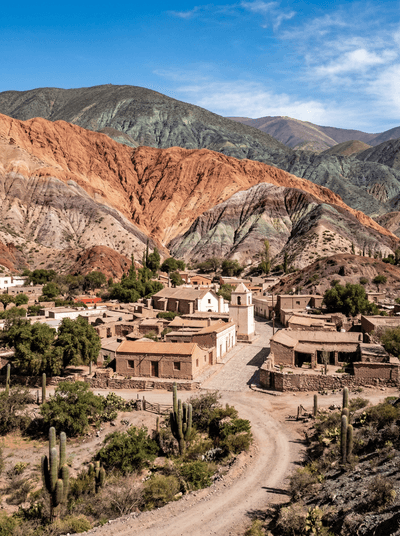
Purmamarca
Argentina
A seven-colour hill burns amber over adobe lanes where llamas carry the morning market.
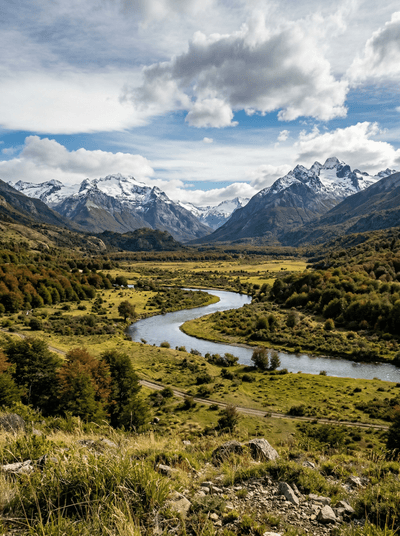
Cholila
Argentina
Butch Cassidy's cabin still stands in a valley where gauchos outnumber tourists.
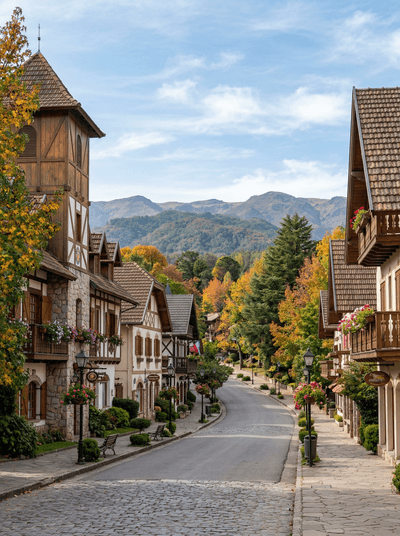
Villa General Belgrano
Argentina
Oktoberfest and strudel in an alpine-styled village settled partly by a scuttled warship's crew.
Tandil
Argentina
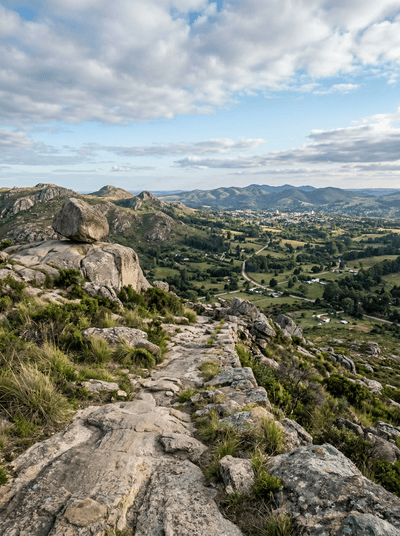
Two-billion-year-old hills worn to stumps, where artisan salami cures in granite-cooled caves.