Argentina
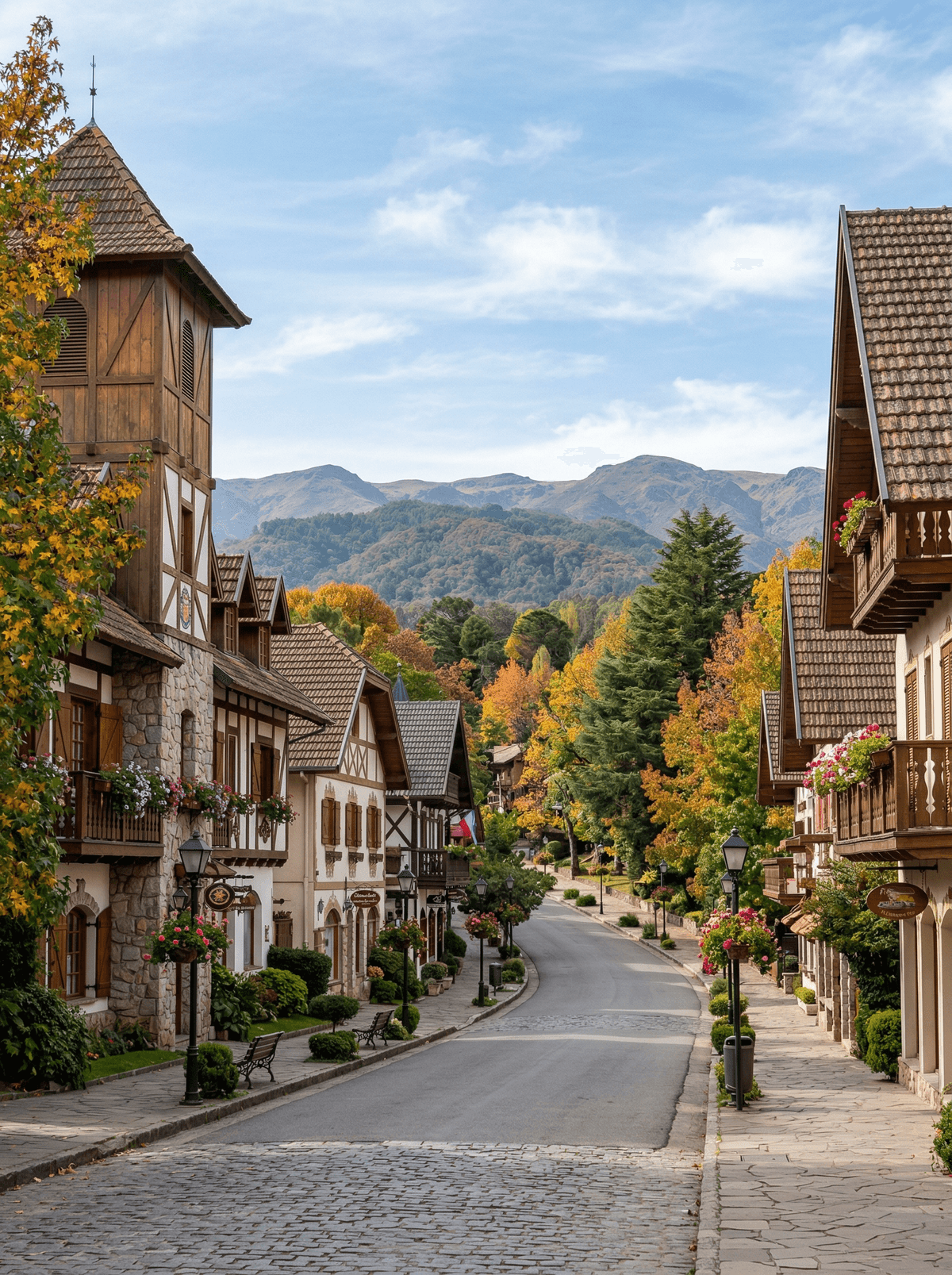
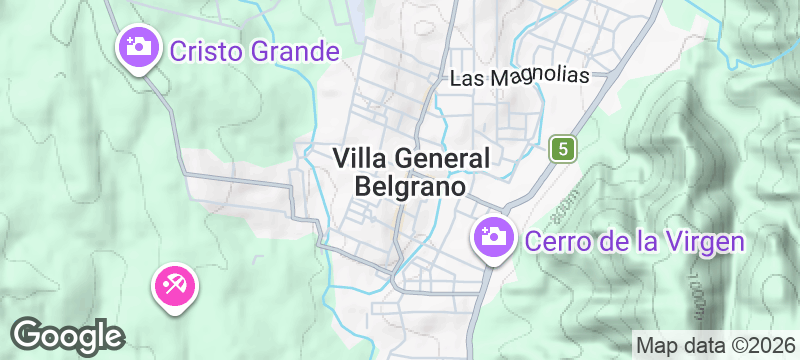
Villa General Belgrano
Oktoberfest and strudel in an alpine-styled village settled partly by a scuttled warship's crew.
Villa General Belgrano was founded in 1932 by German and Austrian immigrants, and the timbered façades, the schnitzel on the menus and the Oktoberfest in the main street are the product of a community that brought its culture along and kept it across three generations. The Calamuchita Valley — a bowl of green hills at around 900 metres — is the backdrop that let the settlers believe they had found a piece of Bavaria in Córdoba.
The town's Central European identity is community inheritance rather than tourist performance — a German school, church and civic associations have carried it forward, and older residents still switch languages mid-sentence. History added its strangest chapter in 1939: after the pocket battleship Graf Spee was scuttled off Montevideo, some of its interned crew settled here for good. The Oktoberfest, running since 1963, is Argentina's official National Beer Festival — brass bands, closed streets, long tables — while microbreweries brew German-style cerveza artesanal on premises through the pedestrian centre all year. Outside the festival weeks the town works as a quieter Calamuchita base of bakeries, cycling routes and river swims, with events and brewery visits tied to current programmes rather than assumed daily.
Couple
The appeal is precisely the improbability — strudel and Argentine beer in a Bavarian-style café in the Córdoba hills feels like being in on a very specific joke the whole town shares. The green valley and cool nights make it all make sense.
Family
The Oktoberfest is genuinely family-festive — streets closed to traffic, brass bands, and food from sausages to empanadas needing no cultural translation.
Friends
A group at the festival finds an Argentine party with a German theme, perfected over sixty years — and outside season, the valley's rivers and cycling make a calmer base with the same tables.
- Some of the scuttled Graf Spee's interned crew settled here after the war.
- The Oktoberfest has run since 1963 as Argentina's official National Beer Festival.
- Microbreweries through the centre pour German-style beer brewed on premises.
- Bakery counters stack Schwarzbrot, strudel and kuchen beside Argentine facturas.
German-style sausages, sauerkraut and dark bread with locally brewed lager.
Strudel and Viennese torte at a confitería keeping recipes handed down the family.
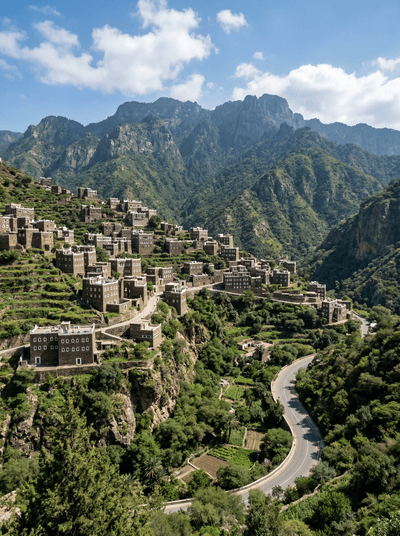
Abha
Saudi Arabia
A mountain city where mist wraps painted houses and the air smells of juniper after rain.
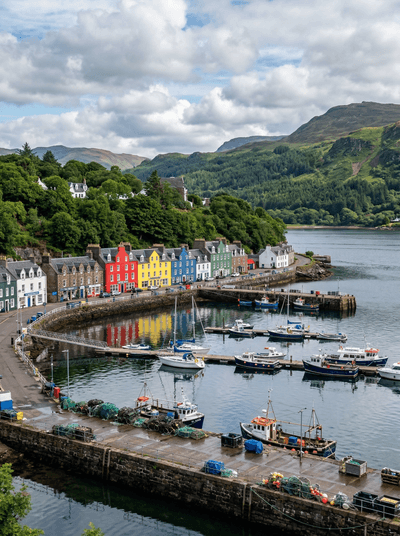
Tobermory
Scotland
Crayon-bright houses line a harbour where fishing boats rock above sunken Armada gold.
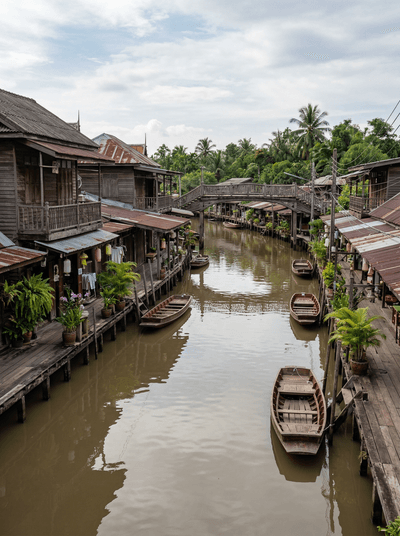
Amphawa
Thailand
Wooden rowboats grilling prawns on the water while fireflies pulse in the cork trees.
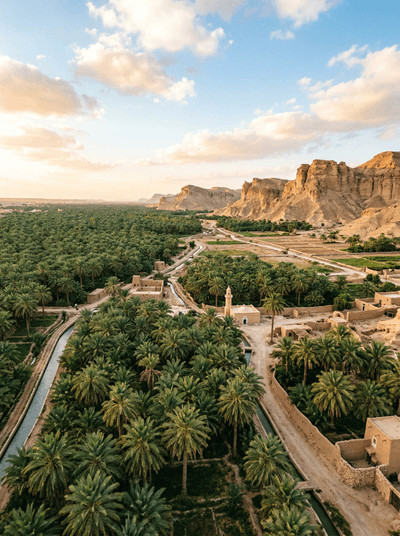
Al Ahsa Oasis
Saudi Arabia
Historic springs and open canals raised 2.5 million palms beneath a furnace sky.
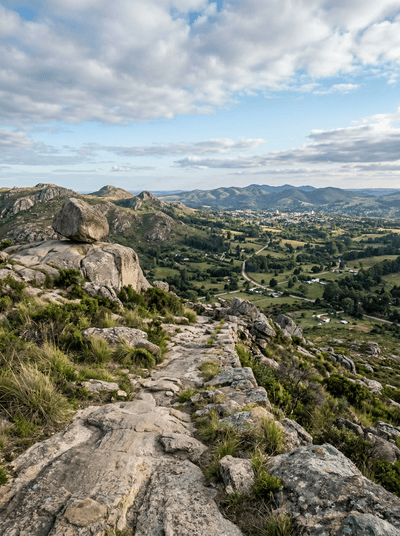
Tandil
Argentina
Two-billion-year-old hills worn to stumps, where artisan salami cures in granite-cooled caves.
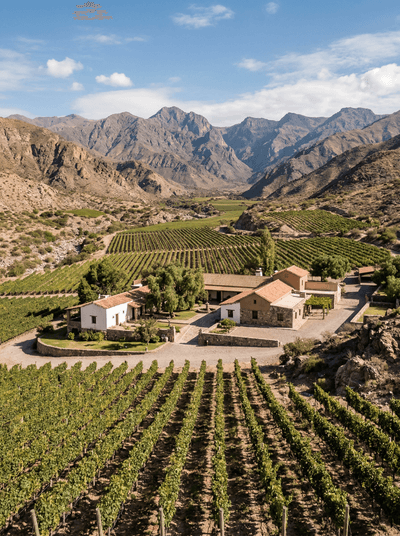
Bodega Colomé
Argentina
Vineyards past three thousand metres, with a James Turrell light museum on the valley floor.
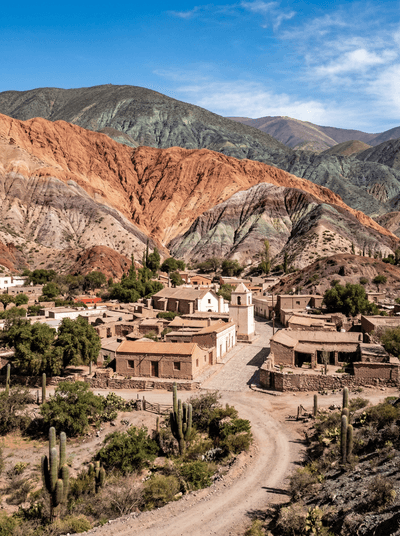
Purmamarca
Argentina
A seven-colour hill burns amber over adobe lanes where llamas carry the morning market.
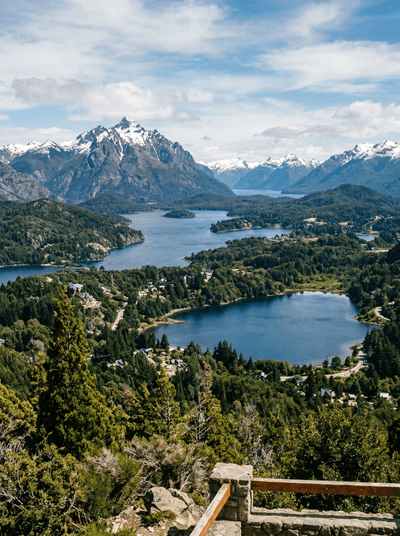
Bariloche
Argentina
Chocolate-scented streets beside a glacial lake so clear you count pebbles metres down.