Saudi Arabia
Rawdhat Khuraim
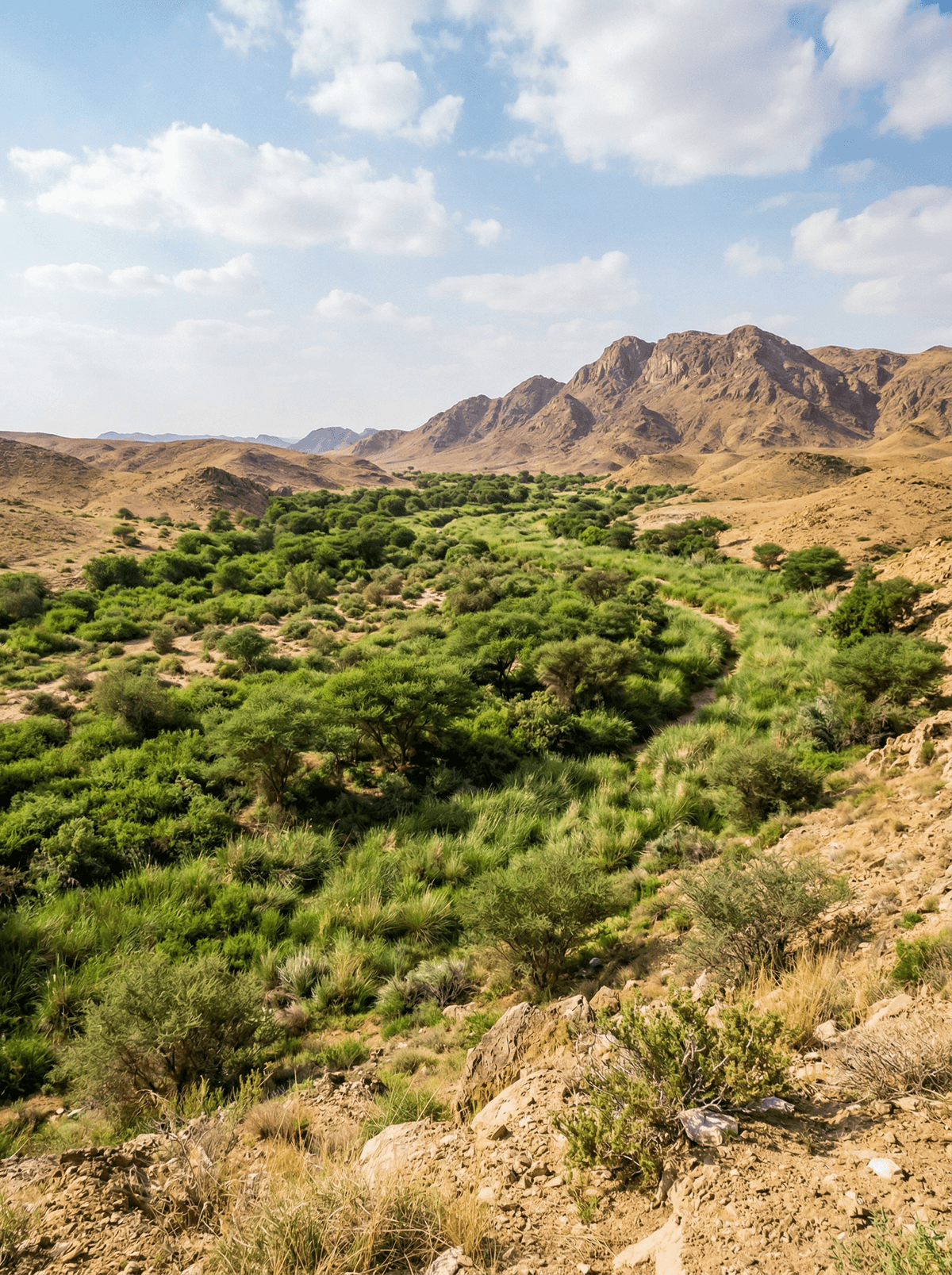
After winter rains, this barren desert basin erupts into a wildflower sea that vanishes within weeks.
For most of the year, Rawdhat Khuraim is indistinguishable from the surrounding desert — flat, brown, and silent. Then the winter rains come, and the basin erupts into a carpet of wildflowers that stretches to the horizon in bands of yellow, white, and green. The bloom lasts weeks at most, and its timing is unpredictable, which makes each appearance feel like a gift the desert has decided to offer.
Rawdhat Khuraim is a desert depression approximately 100 kilometres northeast of Riyadh, designated as a nature reserve. The rawdah — an Arabic term for a depression that collects rainwater — supports a dormant seed bank that germinates after sufficient winter rainfall, transforming the barren basin into a wildflower meadow. Gazelles, desert hares, and migratory birds appear during the bloom, drawn by the sudden abundance of forage and water. The phenomenon is entirely rainfall-dependent and varies dramatically from year to year — some winters produce no bloom at all, while others create a green expanse visible from the main highway. The proximity to Riyadh makes it accessible when conditions are right, though the timing requires local knowledge and flexibility.
Solo
The ephemeral nature of the bloom rewards the solo traveller who can move quickly when conditions align — spontaneity is the entry fee.
Couple
Picnicking among wildflowers in a landscape that was barren desert the week before creates a shared experience that feels like stolen time.
Family
Children experience the bloom as pure magic — a desert turning green overnight is the kind of wonder that doesn't require explanation.
Friends
A spontaneous drive to catch the bloom — thermos of coffee, blankets, cameras — is the kind of shared impulse that makes group travel memorable.
- After winter rains, the desert basin erupts with wildflowers — a carpet of green and yellow across the sand.
- The bloom is ephemeral — it can vanish within weeks, making each appearance feel like a secret event.
- Gazelles and desert hares emerge during the bloom, drawn by the sudden abundance of forage.
- The oasis sits just 100 kilometres from Riyadh — close enough for a morning drive when the rains come.
Picnic of labneh, za'atar flatbread and fresh mint tea spread on a blanket among the wildflowers.
Riyadh bakery pastries — cheese-filled fatayer and spinach sambousek — packed for the desert drive.
Codrii Nature Reserve
Moldova
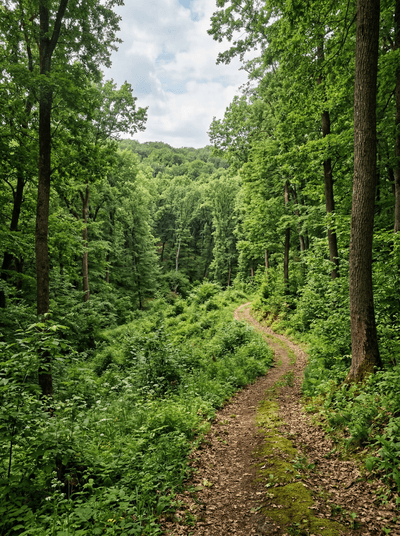
Wild boar root through ancient beeches in the one forest Moldova never cleared for grain.
Kibwezi Forest
Kenya
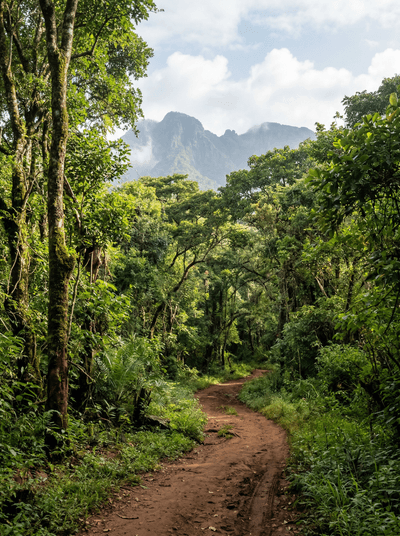
An underground river feeds a rare lowland forest where rescued elephants learn to be wild again.
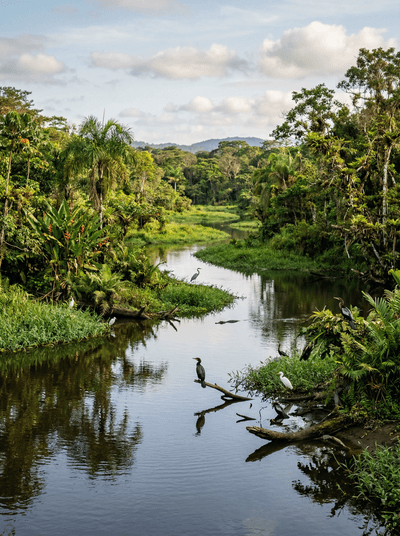
Caño Negro Wildlife Refuge
Costa Rica
A seasonal lake that appears and vanishes, stranding caimans and jabiru storks in shrinking lagoons.
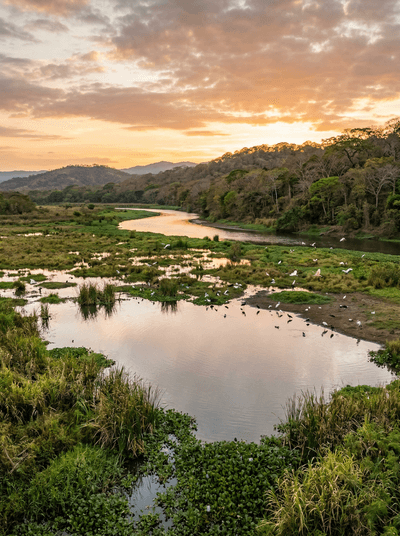
Palo Verde National Park
Costa Rica
A quarter of a million waterbirds descend on seasonal marshes where crocodiles bask on every mudbank.
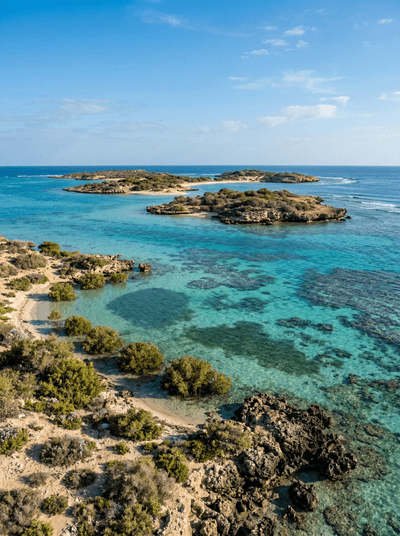
Farasan Islands
Saudi Arabia
Gazelles graze between Ottoman ruins on a Red Sea archipelago ringed by untouched coral.
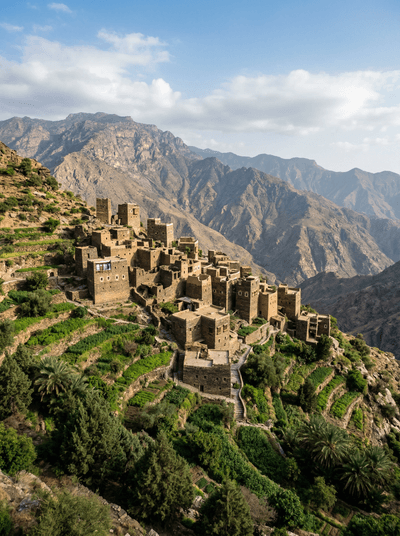
Tanomah
Saudi Arabia
Juniper forests catching cloud on mountain ridges where baboons patrol the misty undergrowth.
Haql
Saudi Arabia
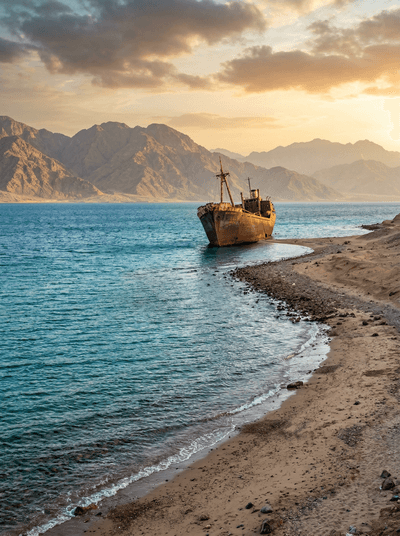
A rusting cargo ship half-swallowed by turquoise shallows on a beach facing the Gulf of Aqaba.
Al Soudah
Saudi Arabia
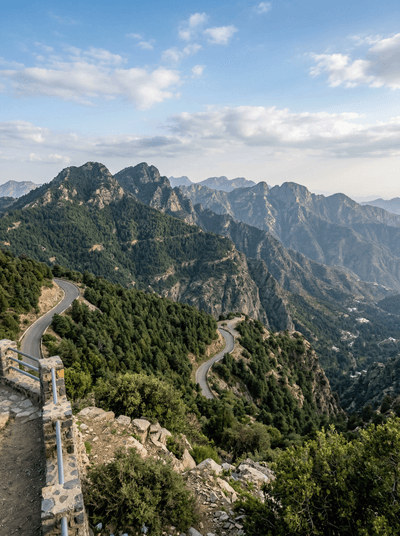
Saudi Arabia's rooftop, where juniper forests cling to ridges three thousand metres above the desert.