Costa Rica
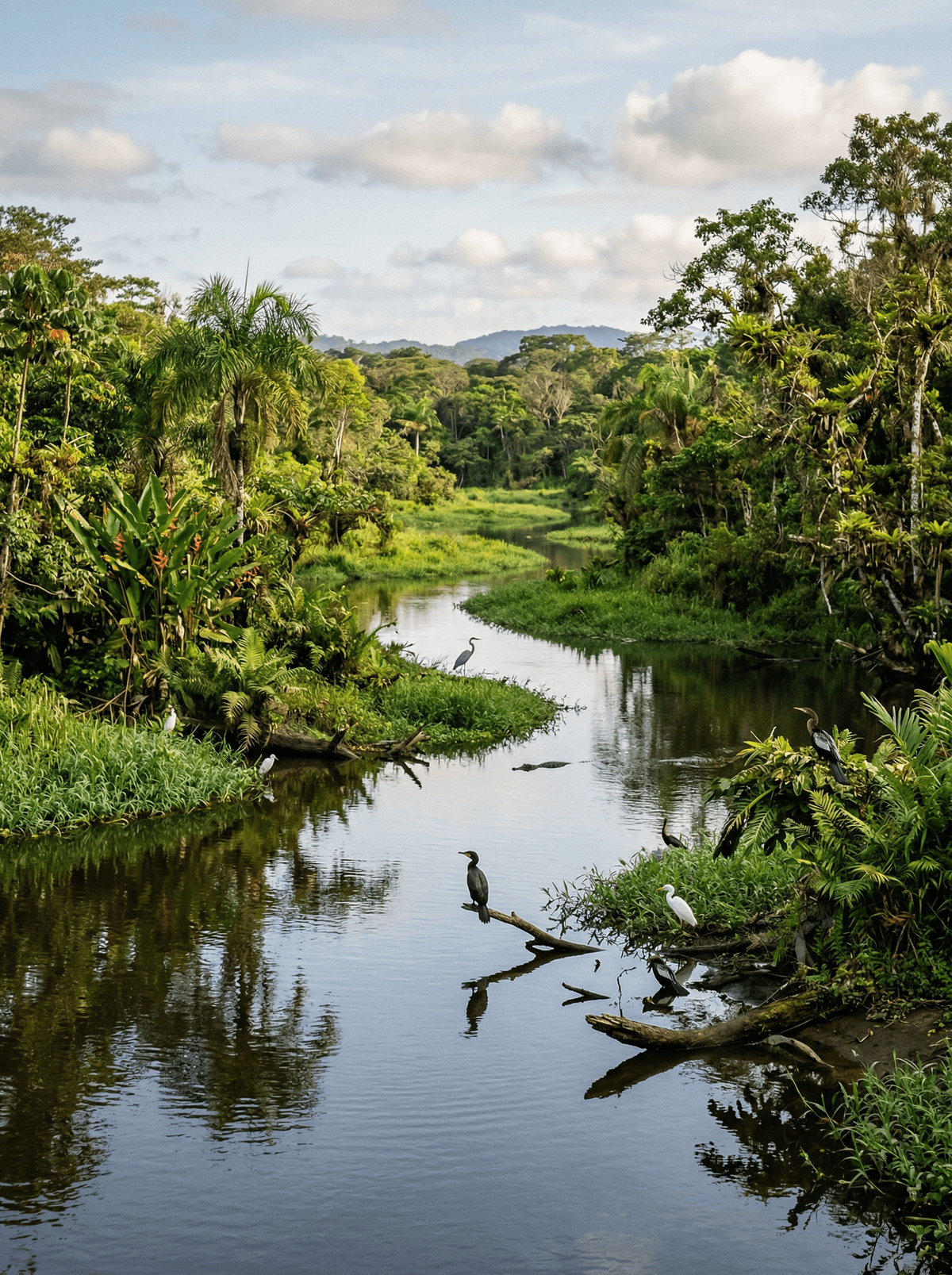
Caño Negro Wildlife Refuge
A seasonal lake that appears and vanishes, concentrating caimans and jabiru storks in shrinking lagoons.
The lake is there in December and fading by April. As the water contracts, the wildlife concentrates — caimans stack along shrinking mudbanks, jabiru storks stand in shallows that were open water weeks before, and the air fills with birds like static. Caño Negro runs on a calendar set by rain.
Caño Negro is a Ramsar-listed wetland: 9,969 hectares where the Río Frío overflows each rainy season into a shallow 800-hectare lake, then hands the land back to grass as the dry months shrink it to channels and lagoons. More than 377 bird species have been counted here, a hundred of them wetland specialists, and migratory flocks from Canada and the United States rest on their way south — the jabiru, biggest of the storks, wades among them. The water holds oddities too: tarpon this far inland, and the tropical gar, a living fossil found in few other places. Boats slip the channels at walking pace, an 18-metre tower gives the long view, and at sunset the caimans feed.
Solo
A birder's pilgrimage — small boats, specialist guides and a species list that rewards patience across seasons.
Couple
Drifting silent channels with wildlife at arm's length — unhurried intimacy framed by nature, not staged by a resort.
Family
Children watch caimans, turtles and waterbirds from the boat's benches, and the vanishing lake is a geography lesson no classroom delivers.
Friends
Low-key adventure — no adrenaline, just the shared satisfaction of spotting something rare and arguing over who saw it first.
- The Río Frío floods a shallow 800-hectare lake each wet season; the dry months shrink it back to lagoons.
- More than 377 bird species counted — migratory flocks from North America rest here en route to South America.
- The water holds tarpon and the tropical gar, a living-fossil fish found in few other places.
- An 18-metre birdwatching tower stands where every lagoon in the wetland comes into view.
A Los Chiles casado — rice, beans, plantain and the day's main, market-town fuel for the boat trip.
Fried guapote — the wetland's own jaguar-spotted fish, served whole at village kitchens.
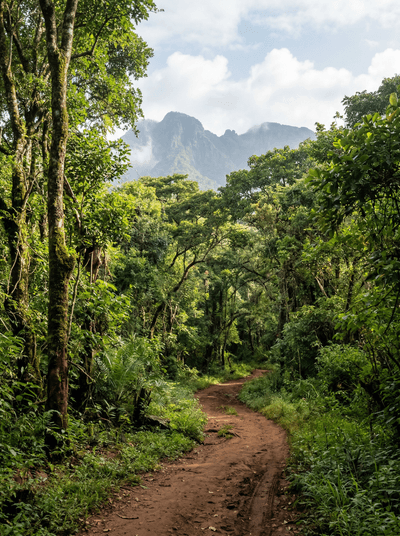
Kibwezi Forest
Kenya
An underground river feeds a rare groundwater forest where rescued elephants learn wildness again.
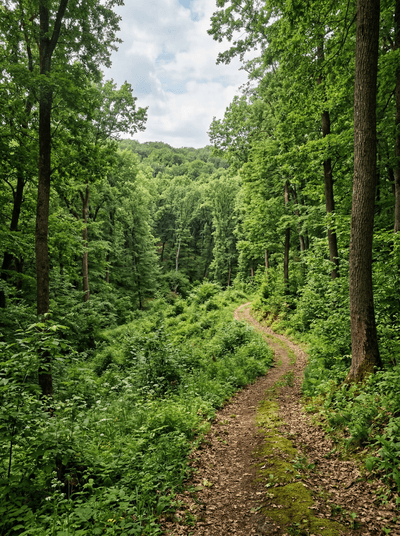
Codrii Nature Reserve
Moldova
Half of Moldova's characteristic flora survives in one hill forest of oaks, ravines and wildcats.
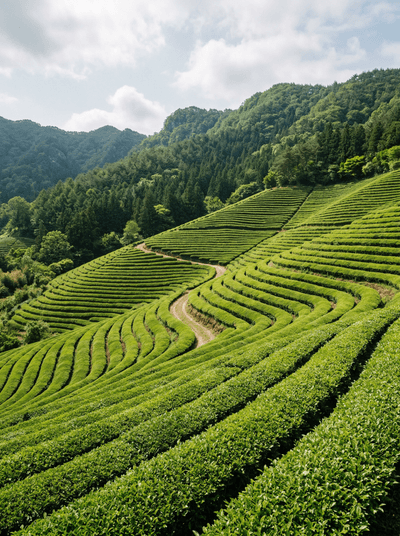
Boseong
South Korea
Five hundred hectares of tea rows climb into the morning fog in parallel lines.
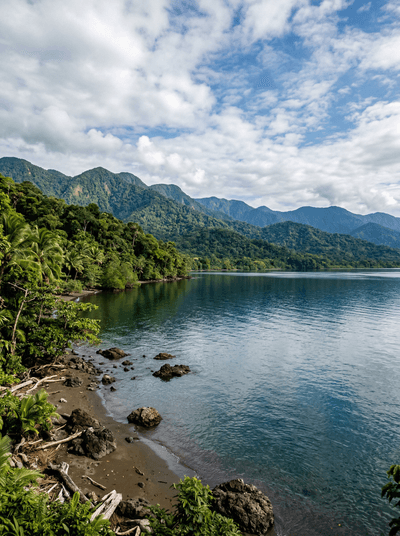
Golfo Dulce
Costa Rica
A tropical fjord of bathwater-warm calm, ringed by primary rainforest and cruised by dolphins.
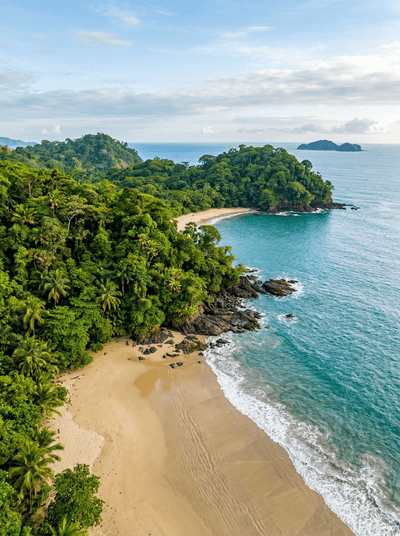
Manuel Antonio
Costa Rica
Capuchins patrol the sand beneath dozing sloths where rainforest walks into the ocean.
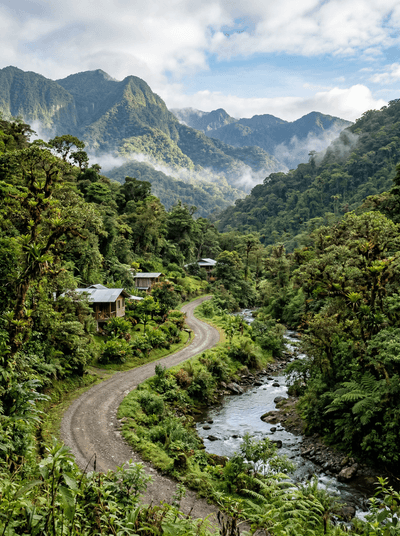
San Gerardo de Dota
Costa Rica
A bird the Maya held sacred flashes emerald through one cold valley's mist.
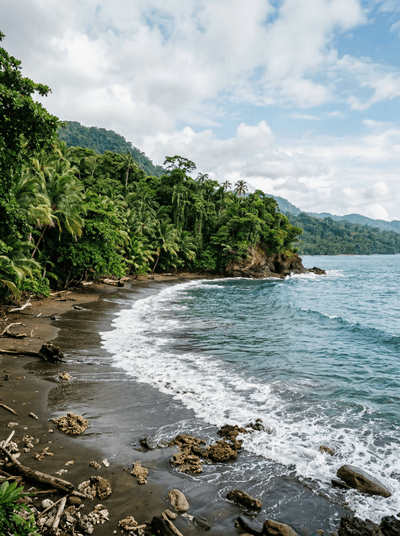
Gandoca-Manzanillo Wildlife Refuge
Costa Rica
Manatees shelter in tea-dark lagoons; the reef grows an oyster known nowhere else.