Japan
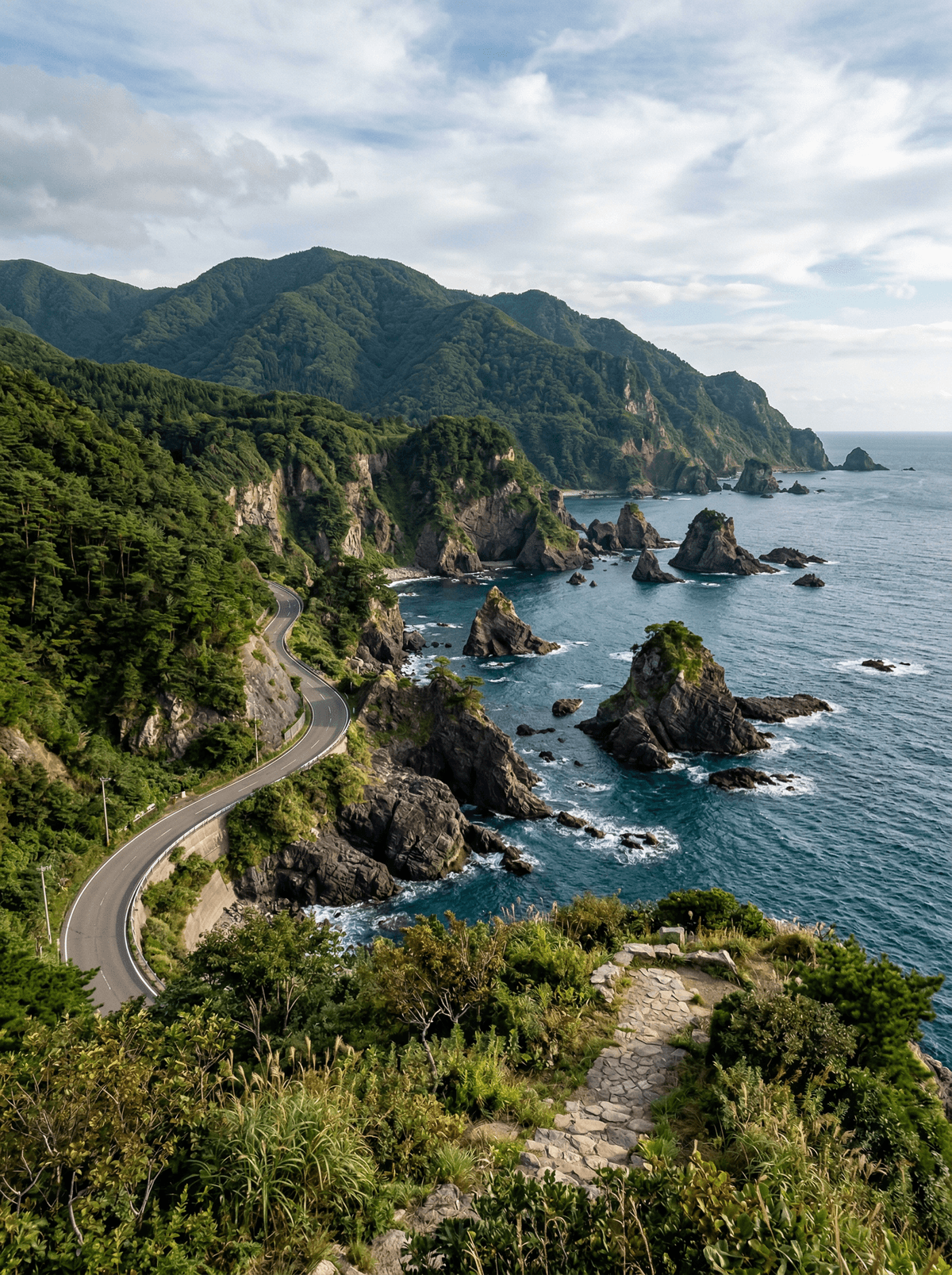
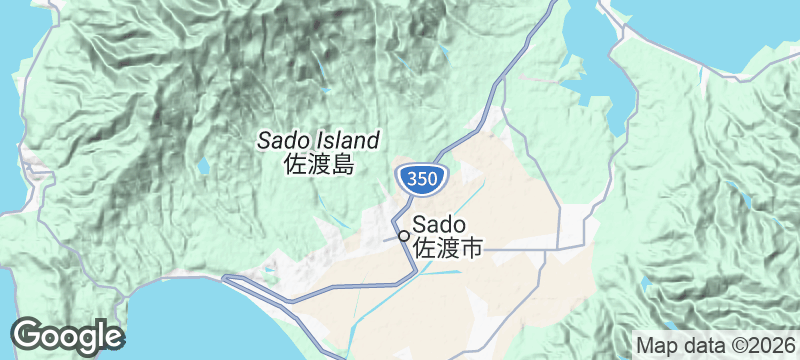
Sado Island
An exile island where gold miners, taiko drummers and crested ibis coexist in the fog.
The gold-mine tunnels are cold and quiet. For nearly four hundred years Sado dug gold for the shoguns, and the hand-cut galleries now open to visitors run deep into the mountain, lined with mechanical miners working by lamplight. But Sado's real wealth surfaces above ground — in rice paddies, on Noh stages, and in the flight paths of a bird brought back from extinction.
The Aikawa mines opened in 1601 and closed in 1989, producing some 78 tonnes of gold and making Sado the largest gold mine in Japan; UNESCO listed them in 2024. For centuries the island was also where the losers of Kyoto's politics were sent — an emperor, the monk Nichiren, and the Noh master Zeami, whose exile is why a farming island has more than thirty Noh stages, the most per head in Japan, with summer performances by firelight. The toki, the Japanese crested ibis, vanished from the wild in 1981, when the last five birds were caught for captive breeding, and the last Japan-born bird died in captivity two decades later; birds bred from Chinese stock now fly free over the paddies in their hundreds. Sado is home to the Kodō drummers who took taiko to the world, and to the tarai-bune tub boats, round wooden tubs once used for gathering shellfish and now found nowhere else in Japan.
Solo
The mines, the ibis, the Noh performances — Sado is a place of concentrated culture that rewards the attention one traveller can give it.
Couple
A spin in a tarai-bune tub boat, a harbour dinner of sazae turban shells, and a firelit Noh performance make an evening that belongs only to this island.
- Gold was mined here from 1601 to 1989 — the tunnels are open to walk, lit and eerily silent.
- The toki crested ibis, once extinct in the wild, now flies free over the island's rice paddies.
- Tarai-bune tub boats, once used for gathering shellfish, now spin visitors around the harbour in giant wooden basins.
- Sado has more than thirty Noh stages, more per head than anywhere in Japan, with firelit performances in summer.
Buri yellowtail sashimi cut thicker than your thumb, landed in the strait.
Okesa persimmons dried on farmhouse eaves — leathery, honey-sweet, the island's winter currency.
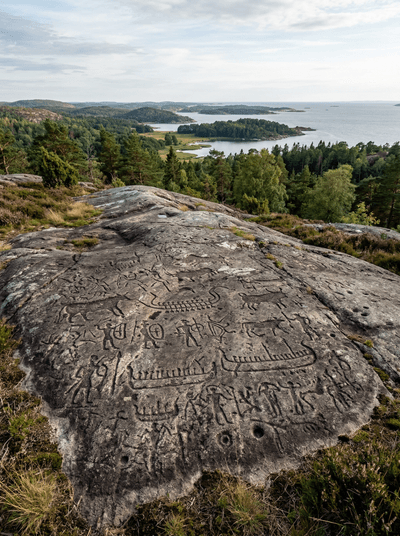
Bohuslän Coast (Bronze Age Carvings)
Sweden
Three-thousand-year-old ships and sun discs carved into granite by a vanished shoreline.
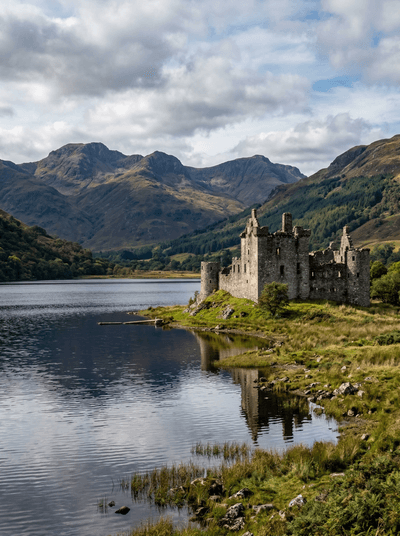
Kilchurn Castle
Scotland
A roofless castle stands knee-deep in loch mist at dawn, mountains pressing close on every side.
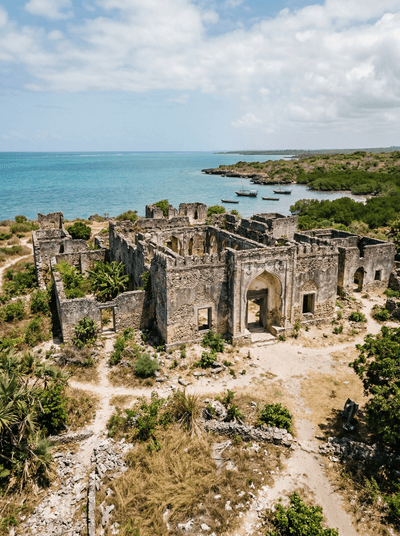
Songo Mnara
Tanzania
A medieval Swahili town crumbles into mangrove roots, its rooms still legible.
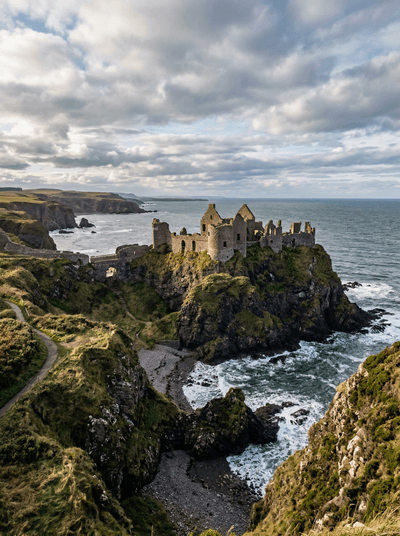
Dunnottar Castle
Scotland
A clifftop fortress crumbling into the North Sea, where Scotland's crown jewels hid from Cromwell.
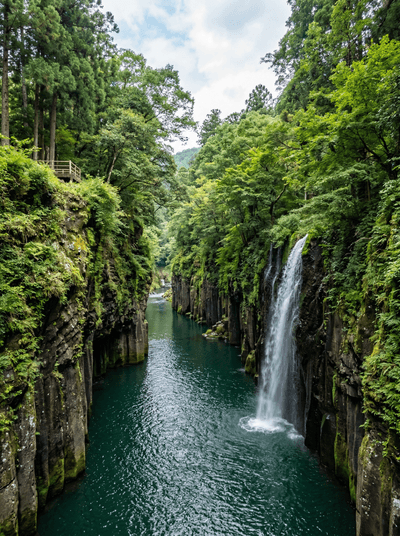
Takachiho
Japan
A basalt gorge where the sun goddess hid, and a night dance that has never stopped.
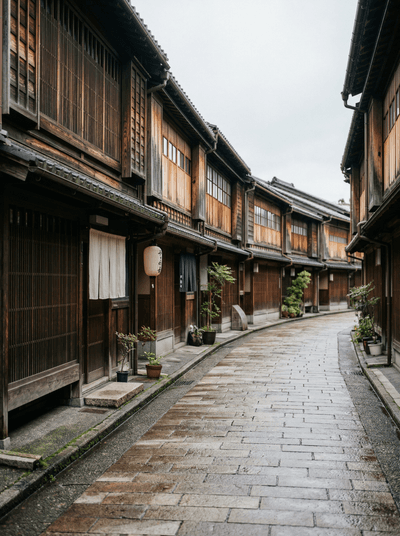
Kanazawa
Japan
Samurai and geisha districts untouched by war where gold leaf gilds everything, even ice cream.
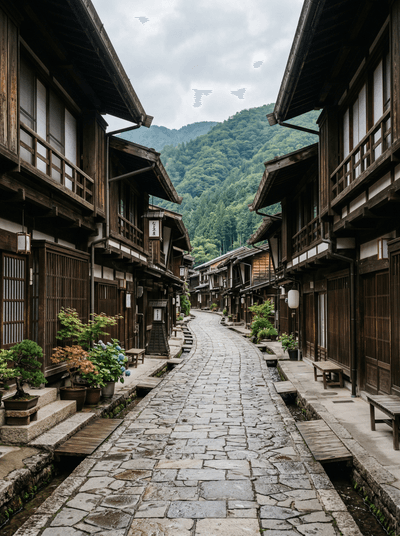
Narai-juku
Japan
A kilometre-long wooden post town where the street narrows until the Edo sky closes in.
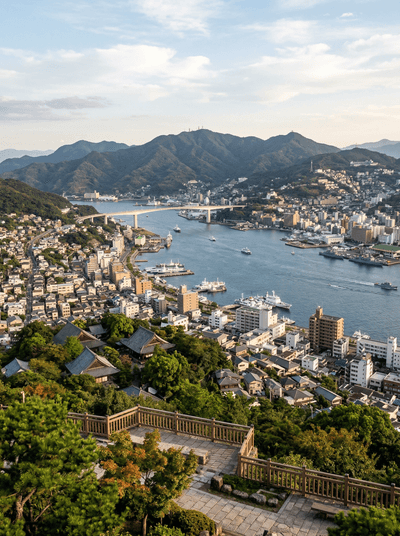
Nagasaki
Japan
A harbour city layered in Dutch, Chinese and Portuguese ghosts, where the churches went underground.