Japan
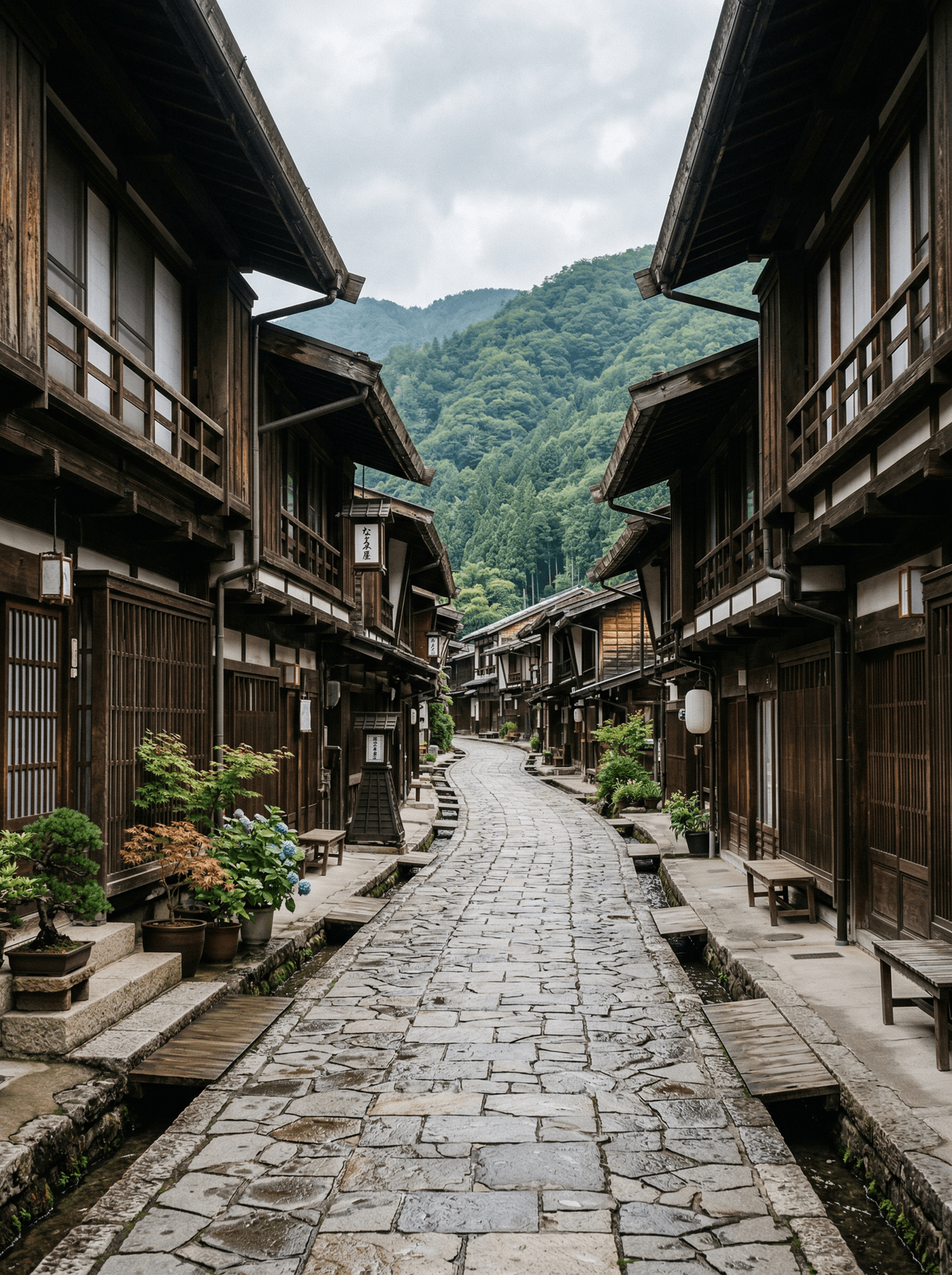
Narai-juku
A kilometre-long wooden post town where the street narrows until the Edo sky closes in.
The main street runs for a kilometre with barely a modern intrusion. Narai-juku is the longest surviving post town of the Nakasendō, the old inland highway through Nagano, and walking its wooden façades feels like paging through an architectural sketchbook from the 1830s. Water runs in channels along the street, and its trickle is the only accompaniment to your footsteps.
Narai was called Narai of the Thousand Houses for the density of inns, shops and workshops that served travellers between Kyoto and Edo before the climb over the Torii Pass. The street was designated a preservation district in 1978, and its Edo-period rows have been kept much as they were. Lacquerware is still a living craft here — Kiso shikki, made from the valley's cypress and shown in workshops open to visitors. The town sits more than 900 metres up in the Kiso Valley, surrounded by the hinoki cypress forests whose timber was once floated downriver to build castles.
Solo
Walking the street end to end in silence, browsing lacquerware shops at your own pace — Narai is made for unhurried solo days.
Couple
Stay in a former merchant house, eat soba by lamplight, and listen to the water channels at night. The village offers intimacy without trying.
- A kilometre of wooden post town so complete it still looks like an 1830s woodblock print.
- Narai of the Thousand Houses once fed and bedded every traveller before the Torii Pass — and the old pass road still begins where the street ends.
- Workshops sell Kiso lacquerware and woodwork made from the valley's own cypress.
- Guesthouses in former merchant homes serve soba made with mountain water.
Gohei mochi pressed flat on a stick, grilled over charcoal under a glaze of sweet walnut miso.
Shinshū soba from buckwheat grown in the mountain valley, nutty and firm, in a lacquer bowl.
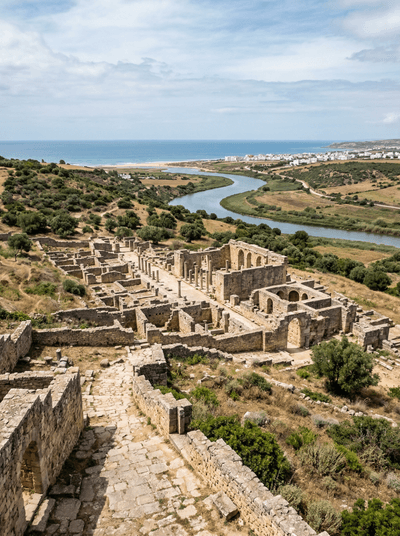
Lixus
Morocco
Roman garum vats cover a hillside ancient writers called the Garden of the Hesperides.
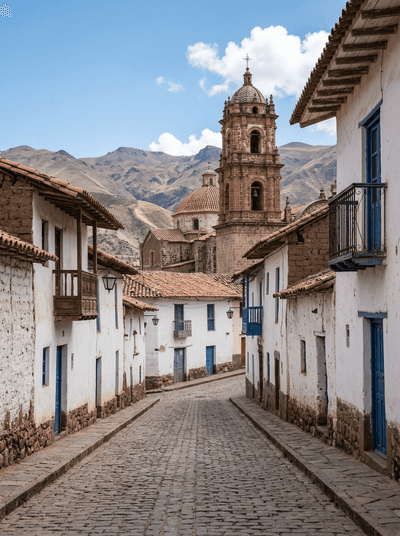
Lampa
Peru
A rose-pink Andean town hiding a full-scale Pietà replica in its colonial church.
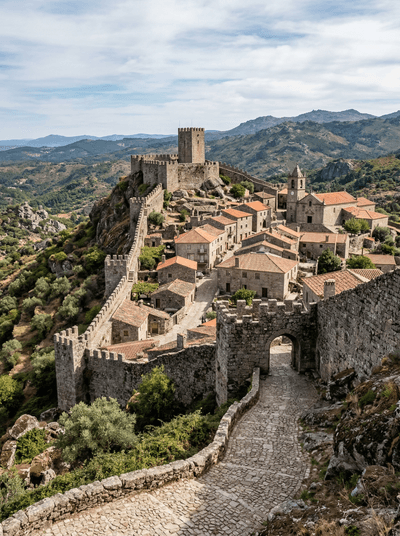
Sortelha
Portugal
A walled medieval village where houses grow from the bedrock, granite merging with granite.
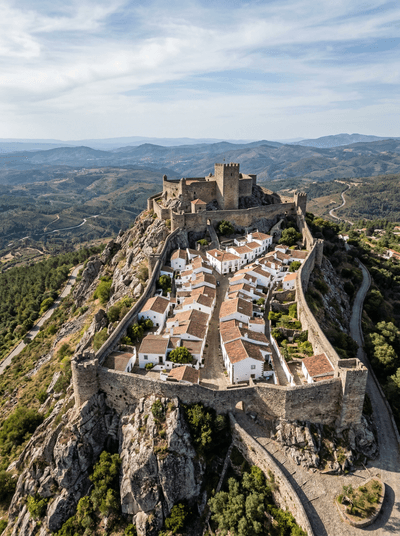
Marvão
Portugal
An eagle's-nest village at 862 metres, watching Spain dissolve into heat haze.
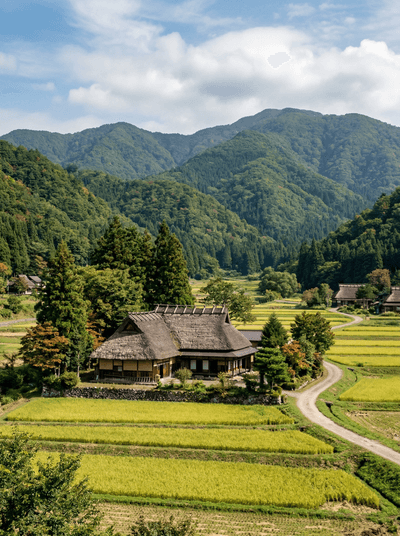
Tono
Japan
A folklore valley where kappa haunt the ponds and every farmhouse once stabled a horse.
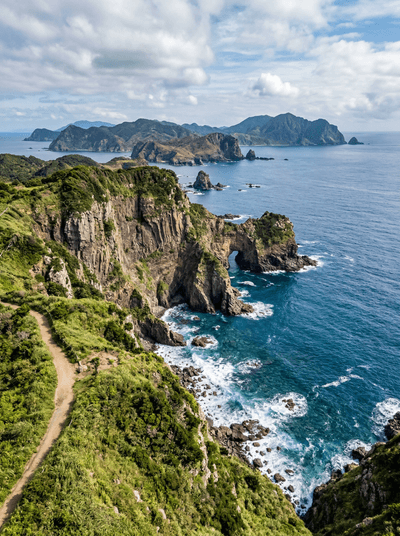
Oki Islands
Japan
Cliff-girt islands of the Japan Sea where exiled emperors and bull sumo survive.
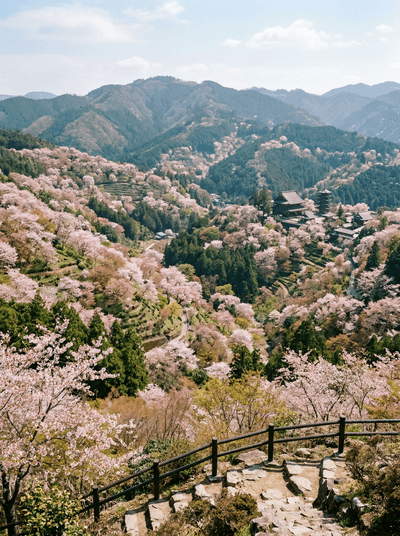
Yoshino
Japan
Thirty thousand cherry trees blooming up a sacred mountain in pink tidal waves.
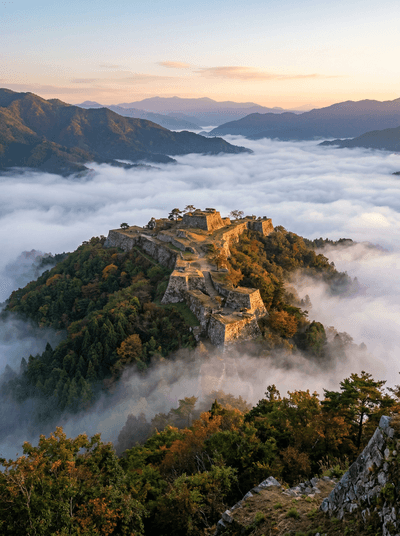
Takeda Castle Ruins
Japan
Stone ramparts adrift on a sea of cloud at dawn — Japan's Machu Picchu.