Panama
San Lorenzo
Morgan's pirates stormed this fort to open the road to Panama's gold.
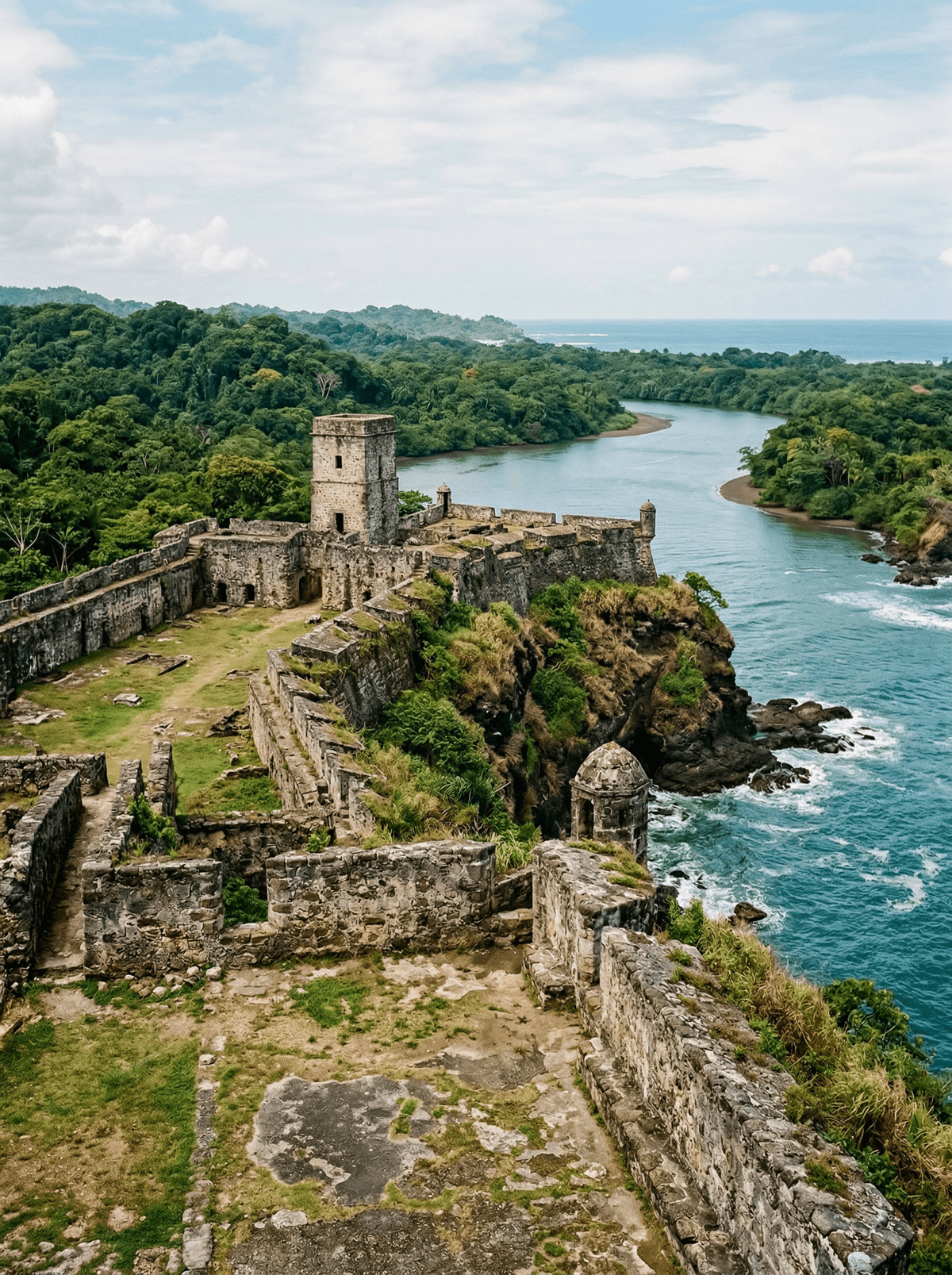
Moss films the cannons, and below the ramparts the Chagres empties into the Caribbean in a slow brown plume. The fort rides a promontory that juts like a ship's prow over the river mouth, with jungle crowding the walls from behind.
Spain fortified this headland because the river below was the road: Peru's silver crossed the isthmus to the Chagres and out to the galleons, and San Lorenzo defended that trade route between 1626 and 1741. In January 1671 Henry Morgan sent an advance party against the fort; the Spanish garrison fought for two days before it fell, and Morgan's own flagship wrecked on Lajas Reef beneath the guns. With the river mouth in his hands, his force rowed up the Chagres and crossed the isthmus to sack Panama City itself, the raid that ended the old capital. The fort has been UNESCO-listed with Portobelo since 1980 as part of Spain's Caribbean defences, and the ramparts still hold their sight lines over water the empires no longer need.
Solo
Standing alone where conquistadors, privateers and garrisons stood, with only forest and the river plume below, is solitary history at full strength.
Family
Real ramparts, real cannon and a genuine pirate assault to retell: the stonework does the storytelling, and the headland walk suits young legs.
- The fort guarded the Chagres mouth, the river road by which Peru's silver crossed the isthmus to the Spanish galleons.
- In January 1671 Henry Morgan's advance party stormed the fort, and his own flagship wrecked on Lajas Reef below it.
- With San Lorenzo taken, Morgan's force went up the Chagres to sack Panama City itself.
- The fort has been UNESCO-listed together with Portobelo since 1980, on a forest promontory above the river mouth.
The headland sells nothing; carry water and picnic where a privateer garrison once held the walls.
Pair the fort with Portobelo along the coast and eat there, seafood above the bay and a loaf of the coast's coconut bread.
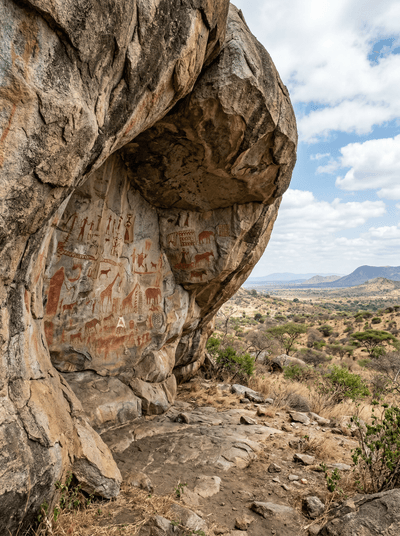
Kondoa Rock Art Sites
Tanzania
Ten thousand years of ochre hunters layer the sandstone of a valley few visit.
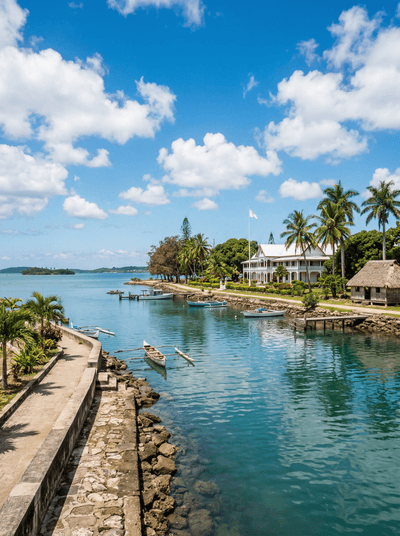
Nuku'alofa
Tonga
Sunday silence swallows an entire kingdom by law, then hymns break from every church at once.
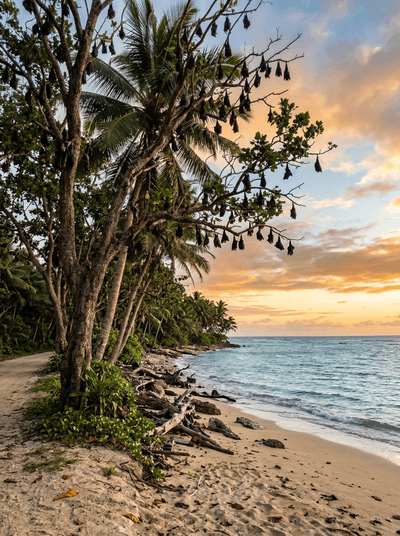
Kolovai
Tonga
Flying foxes drape the casuarina trees of one village, sacred and reserved for the Royal Family.
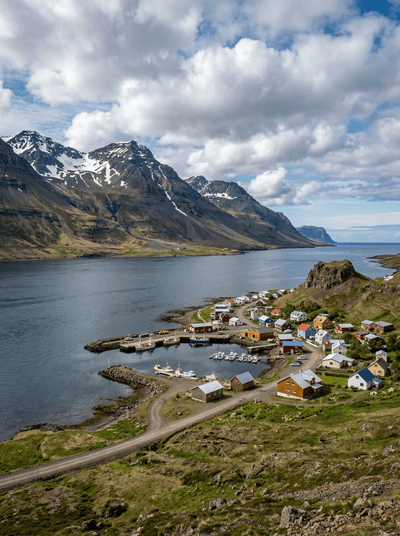
Borgarfjörður eystri
Iceland
An elven capital whose harbour islet fills with nesting puffins each summer.