Panama
Wounaan Villages
Wounaan carvers shaping rainforest nuts into vegetable ivory sculptures so fine galleries exhibit them as art.
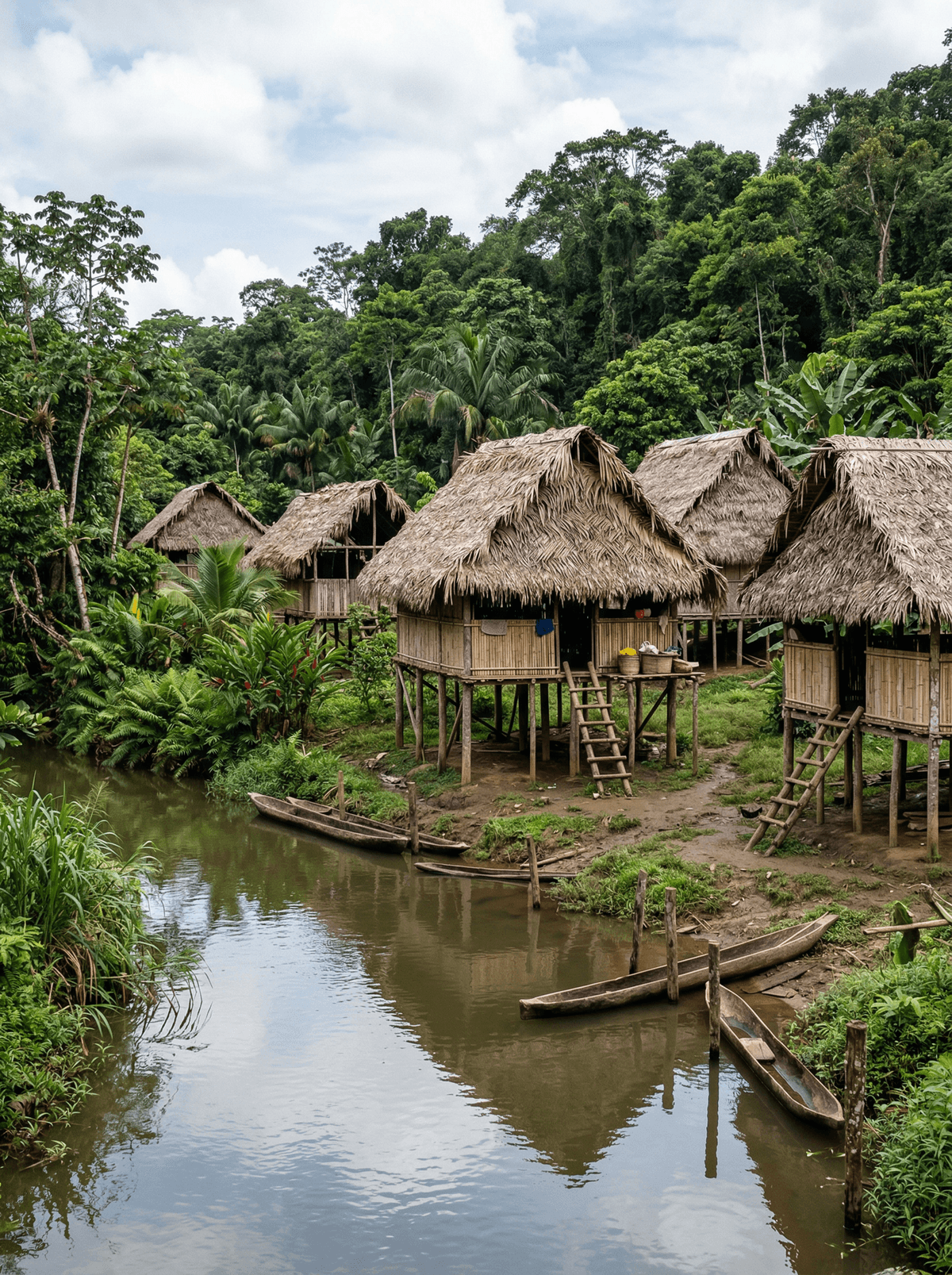
The motorised canoe turns upriver and the Darién closes in. Hours pass through walls of primary forest before thatched roofs appear above the bank and the sound of carving reaches you — steady, rhythmic, patient. Wounaan artisans sit in open-sided shelters, turning dense tagua nuts into sculptures of such fineness that fine art galleries across the Americas exhibit them as indigenous masterworks.
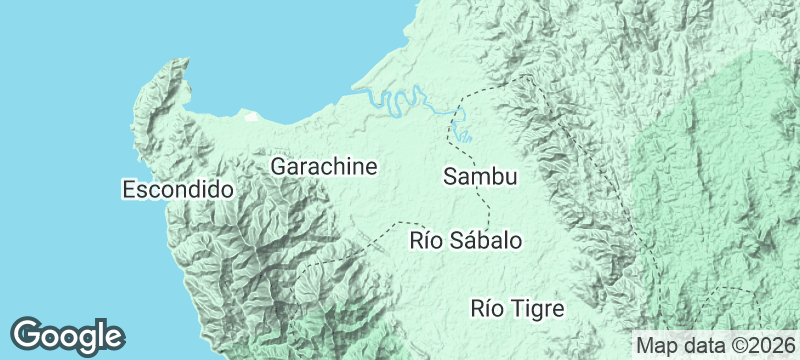
The Wounaan people of the Darién are among the most accomplished carvers in the Americas. Their tagua nut sculptures — carved from vegetable ivory harvested in the rainforest — are exhibited in fine art galleries from Santa Fe to Costa Rica and collected internationally as indigenous masterworks. Their basket weaving uses nahuala palm at a density of 80 or more stitches per inch — tight enough to hold water — with each basket taking days to complete. Villages along the Río Sambú and Río Jaqué are reachable only by motorised canoe through primary forest. Traditional governance remains intact: each village is led by a nokó, and decisions affecting visitors are made communally before any visit is confirmed.
Solo
Visiting a Wounaan village solo places you directly into the rhythm of the community. The canoe journey, the communal meals, and the hours spent watching master carvers work create a depth of cultural immersion that group visits rarely achieve.
Couple
The multi-hour river journey through the Darién and the unhurried pace of village life offer a shared experience that strips away distraction. Watching world-class art being made in a thatched shelter on a jungle river is a memory that belongs to both of you.
Family
Wounaan hosts welcome families, and children respond to the immediacy of the experience — the canoe ride, the animal carvings taking shape, the communal meal on palm fronds. It is hands-on cultural education that no classroom can replicate.
- Wounaan tagua carvings are exhibited in fine art galleries across the Americas, including Santa Fe and Costa Rica, and are collected internationally as museum-quality indigenous art.
- Wounaan basket weaving uses the nahuala palm at a fineness of 80 or more stitches per inch — tight enough to hold water — and each basket takes days to complete.
- Wounaan villages are reachable by motorised canoe up the Río Sambú or Río Jaqué — journeys of several hours through primary Darién forest.
- Traditional governance remains intact; each village is led by a nokó (chief) and decisions affecting visitors are made communally before any visit is confirmed.
River fish and plantains served on palm fronds by Wounaan hosts.
Smoked bush meat stew with root vegetables from jungle gardens.
Cacao drinks served warm, ground from pods picked behind the village.
Wadi Sannur Cave
Egypt
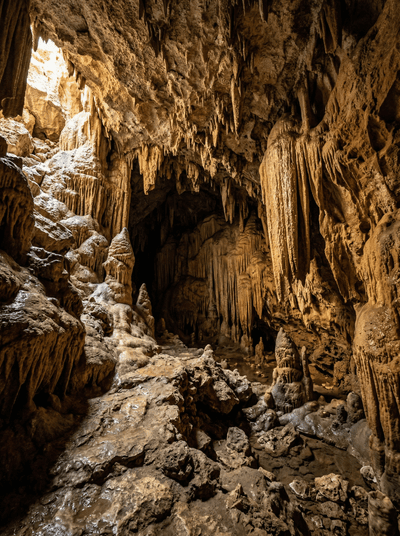
Alabaster stalactites glowing inside a desert cave that nobody expects Egypt to have.
Wai-O-Tapu
New Zealand
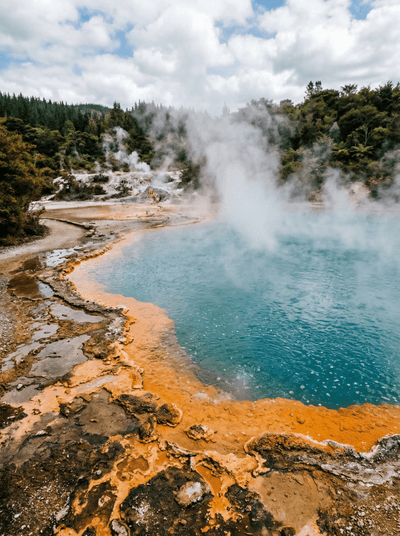
A pool fizzing with carbon dioxide beside a sulphur lake in a landscape smelling of hell.
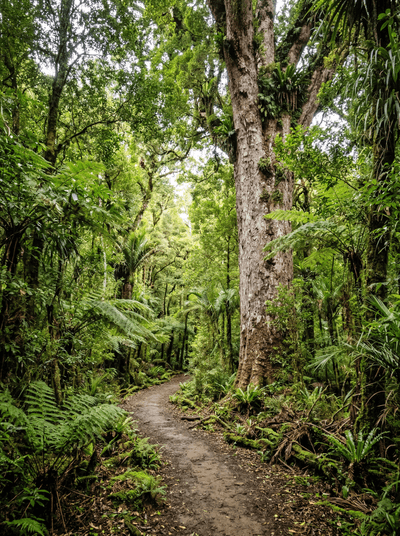
Waipoua Forest
New Zealand
A two-thousand-year-old kauri tree stands wider than a house in primeval darkness.
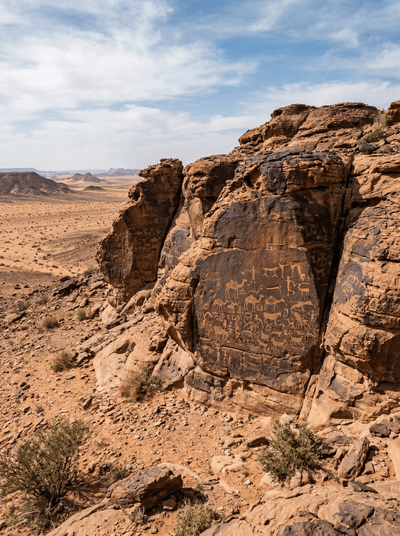
Jubbah
Saudi Arabia
Petroglyphs of camels, ibex and hunters carved into sandstone ten thousand years ago.
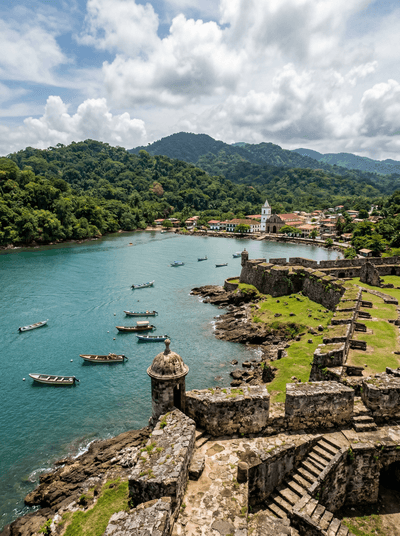
Portobelo
Panama
Rusting cannons guard a harbour where Spanish galleons loaded plundered gold for Seville.
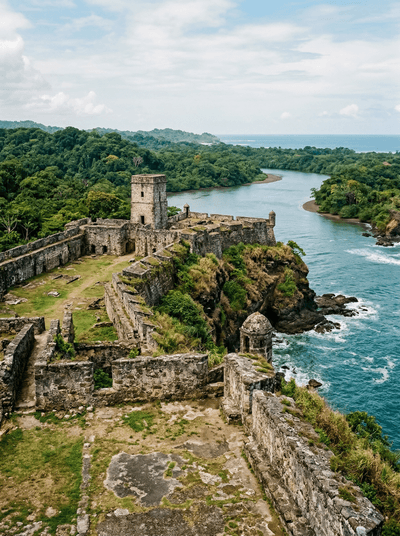
San Lorenzo
Panama
A Spanish fortress swallowed by jungle on the headland where the Chagres meets the Caribbean.
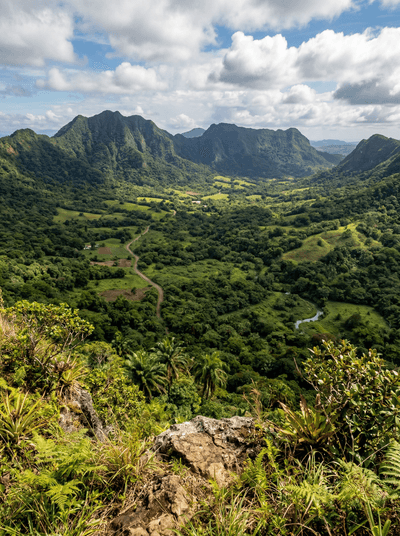
El Valle de Antón
Panama
An entire town nestled inside the crater of an extinct volcano.
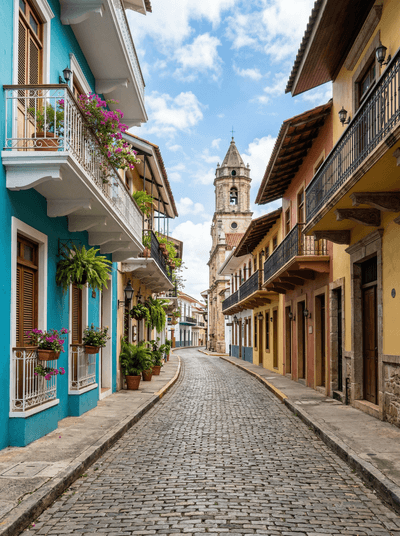
Casco Viejo
Panama
Crumbling baroque balconies where jazz drifts over a skyline of glass towers.