Panama
Emberá Communities of the Chagres
Upriver by dugout canoe to a village where tattoos are drawn from a rainforest fruit.
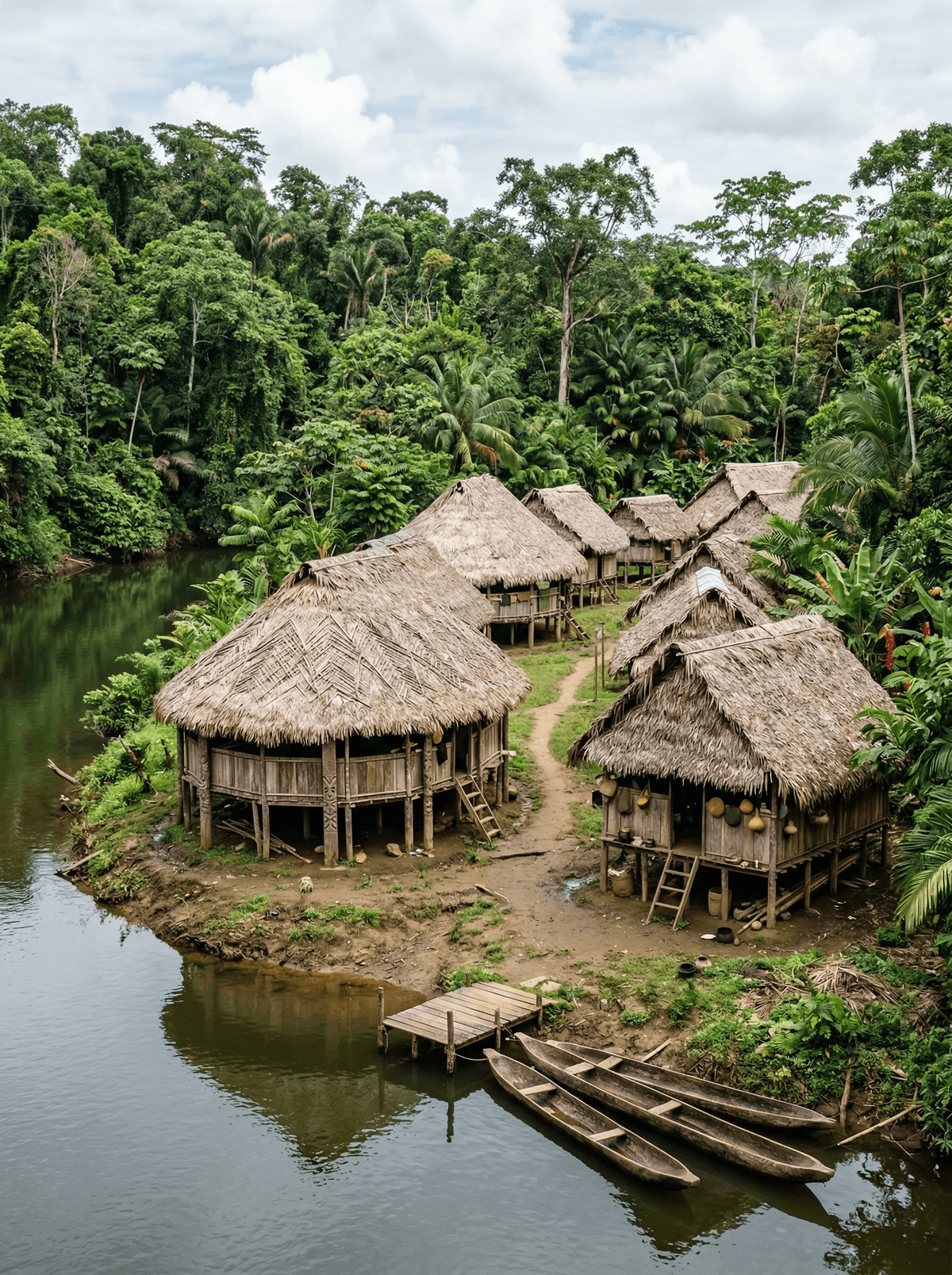
The dugout rounds a bend of the Chagres and the village lifts into view: thatched roofs on stilts, children in the shallows, a musical greeting already sounding from the landing. No road reaches this bend; the river does that work, and Emberá boatmen run it like a main street.
The Emberá are one of Panama's seven recognised native peoples, and the communities of Chagres National Park host visitors on terms the communities set: the canoe, the welcome, the meal and the day's shape are all theirs. Ask and an artist will draw a tattoo in jagua, the rainforest fruit whose blue-black dye holds on the skin for ten to twelve days. The villages are also serious craft centres, selling woven baskets, carved masks, cocobolo hardwood and tagua-seed figures directly from the hands that made them, and tourism income buys the practical things village life runs on, from school supplies to outboard motors. Between the dancing and the lunch, many river days include a walk to a jungle waterfall clear enough to swim.
Family
The canoe ride is an adventure before the village even appears, and children leave with a fading jagua pattern and a story that outlasts it.
Couple
A slow river, a hosted table and conversation with the people whose home this is: the day's intimacy comes from welcome, not staging.
Solo
Joining a shared canoe departure makes this an easy solo day, and the craft benches reward unhurried browsing and questions.
Friends
Paddle-splash, waterfall swims and a communal leaf-bowl lunch give a group a shared day that no bar crawl matches.
- The Emberá are one of Panama's seven recognised native peoples, keeping their culture alive along the rivers of Chagres National Park.
- Visits arrive by dugout canoe with Emberá boatmen; the river does the work of a road.
- Jagua-fruit tattoos are drawn for visitors who ask, in dye that fades over ten to twelve days.
- Artisans sell woven baskets, masks and carvings in cocobolo wood and tagua seed directly from their makers.
Lunch is fried river fish with patacones, served in a bowl folded from a leaf.
Seasonal fruit finishes the meal, whatever the forest and the gardens are giving that week.
Bhimbetka
India
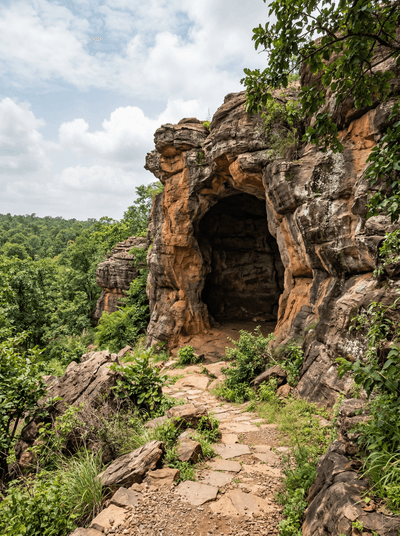
Prehistoric hunting scenes painted in blood-red ochre across sandstone shelters buried in thick teak forest.
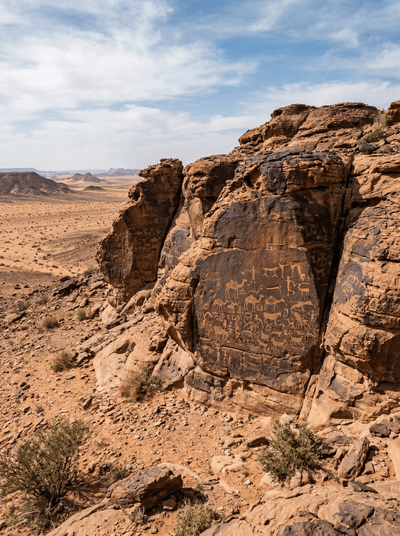
Jubbah
Saudi Arabia
Petroglyphs of camels, ibex and hunters carved into sandstone ten thousand years ago.
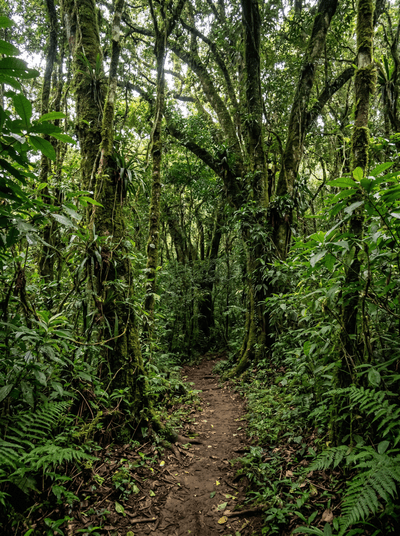
Kakamega Forest
Kenya
Primates crash through the canopy of Kenya's last rainforest, dense with 350 butterfly species.
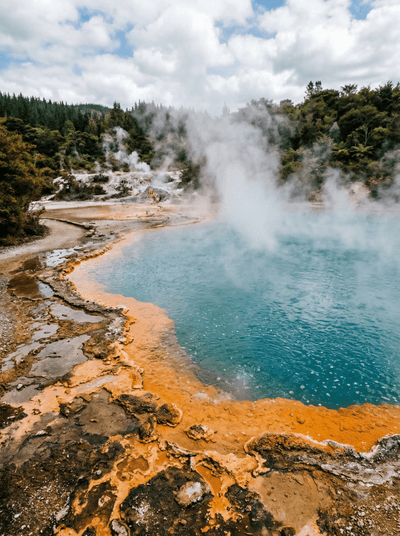
Wai-O-Tapu
New Zealand
Champagne-fizzing pools and sulphur-green water in a landscape that smells of hell.