United States
Death Valley
Sailing stones that move across a dry lake bed when no one is watching.
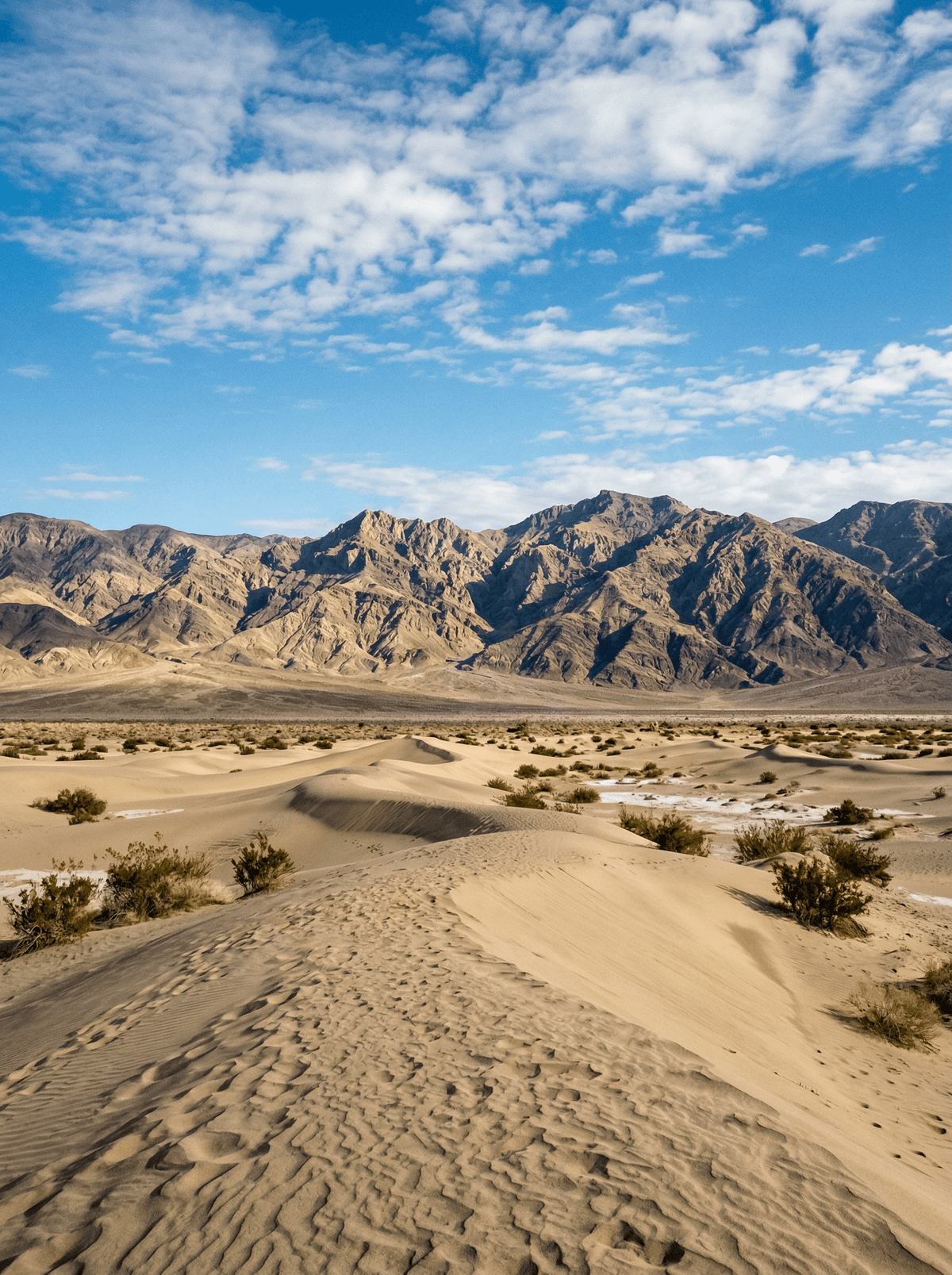
Heat shimmers off the salt flat in waves that make the mountains across the basin ripple and bend. At Badwater Basin, 282 feet below sea level, the white crust extends for miles beneath a sky so empty it feels like the atmosphere has thinned. The silence is not peaceful. It is absolute, heavy, pressing on your eardrums like altitude in reverse.
Death Valley National Park in eastern California is the lowest, driest and hottest place in North America, and Furnace Creek holds the hottest air temperature ever officially recorded on Earth: 134 degrees Fahrenheit in July 1913. The sailing stones of Racetrack Playa, rocks that leave long tracks across the dry lake bed, stayed unexplained until 2014, when researchers filmed thin night-ice sheets forming and the wind sliding the encased stones across the mud. Ubehebe Crater punches a half-mile-wide volcanic hole in the valley floor, Zabriskie Point's eroded badlands and Artist's Palette's mineral-stained hillsides supply the colour the salt flat withholds, and at Furnace Creek the 1927 inn the borax company built still keeps its date palms and spring-fed pool, an oasis facing the salt pans and the Panamint Mountains.
Solo
Death Valley strips away distraction. Driving the long roads between formations, Badwater to Zabriskie to the Racetrack, with nobody ahead and nobody behind produces a solitude so deep it recalibrates your internal scale.
Couple
The contrast between the valley's extremes and the Furnace Creek oasis of palms and spring water makes both halves more vivid. Stargazing from Mesquite Flat Dunes at midnight, then sleeping in air-conditioned comfort, is a pairing only Death Valley can offer.
- Badwater Basin, 282 feet below sea level, is the lowest point in North America: a salt-flat floor where walking feels like crossing the moon.
- The sailing stones of Racetrack Playa were filmed in motion for the first time in 2014: thin ice sheets form at night, then wind slides the encased rocks across the mud.
- Furnace Creek holds the hottest air temperature ever officially recorded on Earth, 134°F in July 1913, and the record still stands.
- In a below-sea-level basin of steady drought, each extreme has a striking contrast: date palms and a spring-fed pool at the 1927 oasis inn.
Date shakes and warm date bread at China Ranch, the family farm hidden in a lush canyon off the park's southern end.
Dinner in the Inn's dining room at Furnace Creek, fine dining facing the salt pans and the Panamint Mountains.
Painted Desert
Australia
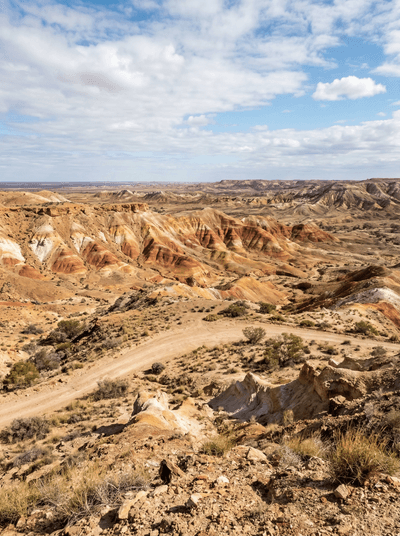
Crimson, cream and gold hills erupt from flat outback beside a remote public route.
Tarkine
Australia
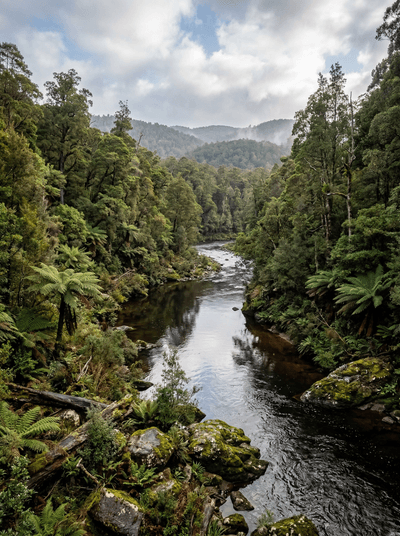
Moss swallows fallen trunks where rainforest, wild rivers and exposed coast become takayna.
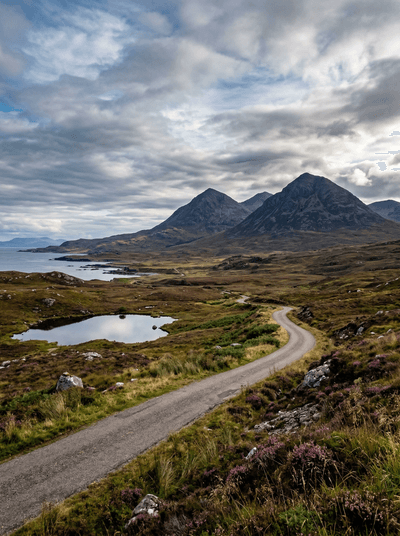
Jura
Scotland
Red deer outnumber humans thirty to one on the island where Orwell wrote 1984.
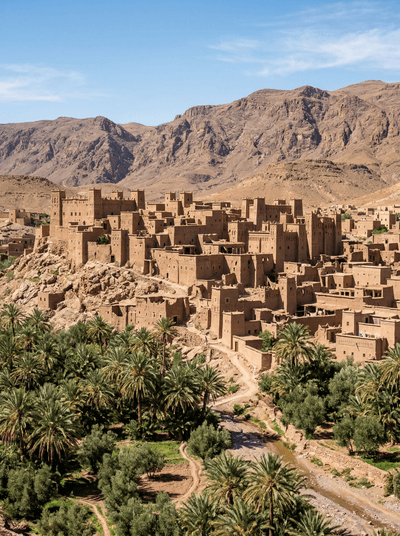
N'Kob
Morocco
Forty-five earthen kasbahs crowd an oasis beneath the broken ridges of Jebel Saghro.
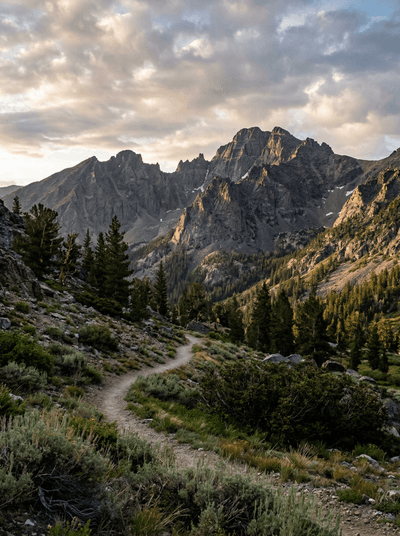
Great Basin National Park
United States
Bristlecone pines nearly five thousand years old growing above a cave full of limestone shields.
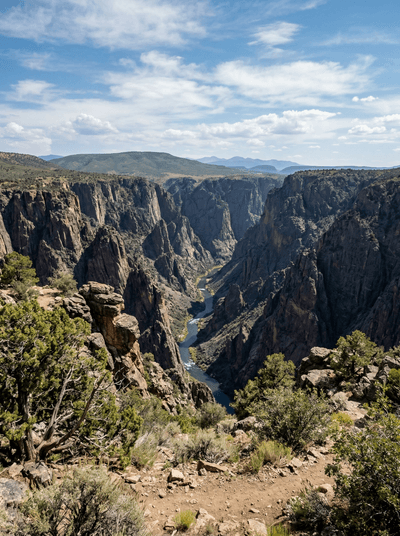
Black Canyon of the Gunnison
United States
A canyon so narrow the bottom gets only thirty-three minutes of sunlight each day.
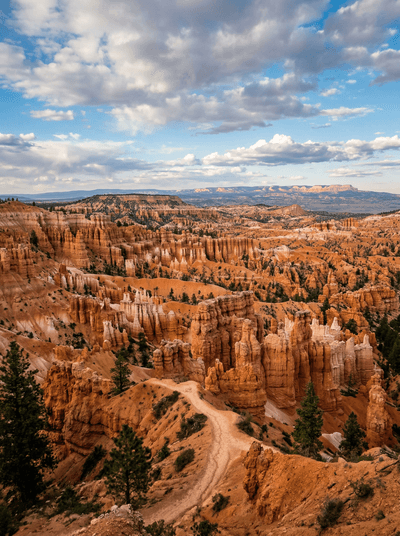
Bryce Canyon
United States
An amphitheatre of orange hoodoos so dense it looks like a forest made of stone.

Savannah
United States
Spanish moss dripping into squares where horse hooves echo on cobblestones after dark.