
England
Shell Grotto, Margate
Millions of shells arranged in unexplained mosaics beneath a mundane street — origin unknown.
Some four and a half million shells spiral across the walls and ceiling of an underground passage that nobody can explain. The Shell Grotto in Margate was discovered in 1835 — the story goes that a boy fell through a hole in a field — and it has resisted every attempt at dating, attribution or rational explanation since.
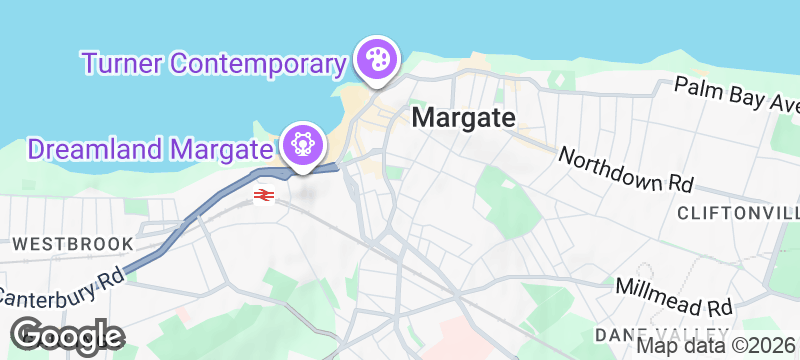
The grotto is a winding passage, a rotunda and a rectangular chamber, every surface covered in shell mosaic of extraordinary complexity — cockles, whelks, mussels and oysters worked into floral runs, sun symbols and what may be religious iconography. Theories span two millennia: Phoenician temple, Roman shrine, Masonic chamber, Regency folly. Carbon dating has proved inconclusive, not least because Victorian gas lighting sooted the shells, and the not-knowing is now the point — every visitor leaves with a preferred theory and no proof. Above ground, Margate's old town has reinvented itself around the Turner Contemporary gallery, the retro delights of Dreamland and the tidal pools of the main sands, so the town bridges genuine mystery and seaside cheer inside a few streets.
Solo
The mystery deepens in solitude — stand in the rotunda and try counting shells; you'll lose track, lose time, and leave with more questions than you brought.
Couple
Grotto, Turner Contemporary and the old town's independent kitchens mix genuine mystery with seaside charm for a shared day.
Family
Children are magnetised — shells, mystery, underground passages — and Margate's beach and Dreamland complete a day that bridges centuries.
Oysters in a tiny seafood kitchen on the harbour arm.
Ice cream from an art-deco parlour frozen happily in the 1950s.
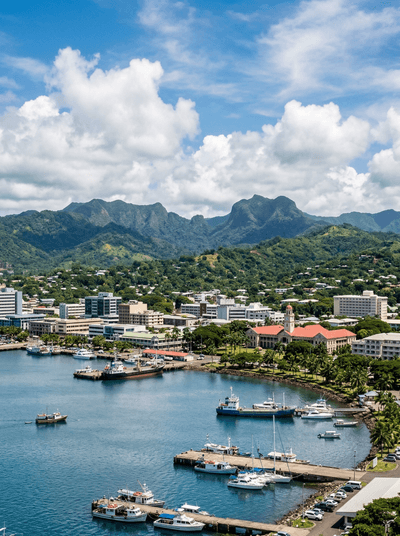
Suva
Fiji
South Pacific hustle where Hindu temples share streets with Fijian markets and colonial verandahs.
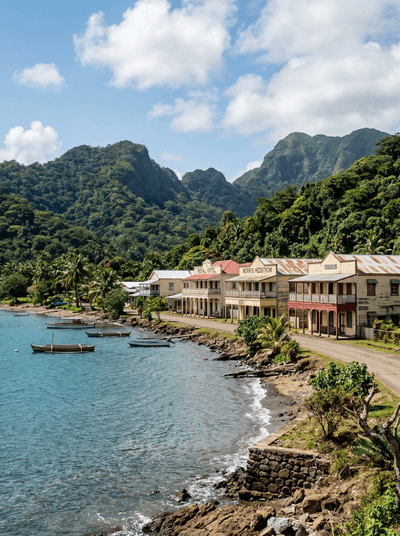
Levuka
Fiji
Fiji's first colonial capital frozen in the 1870s, wooden shopfronts sagging under tropical rain.
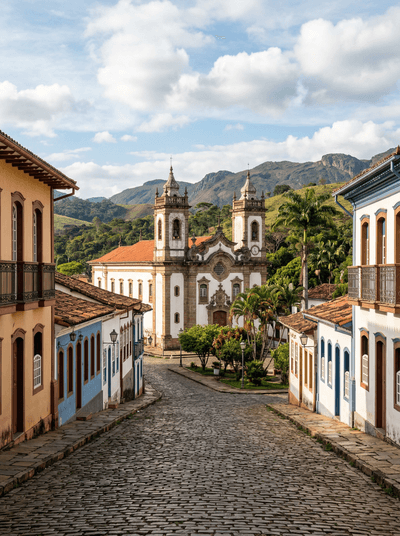
São João del-Rei
Brazil
Baroque towers answering each other across a valley, ringing the sex of whoever has just died.
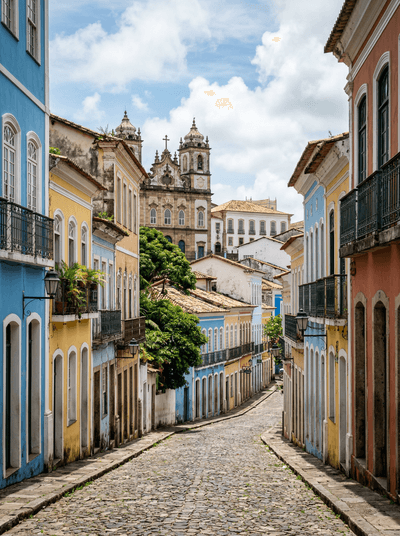
Salvador
Brazil
Drum rhythms ricocheting off colonial walls where song, dance and combat happen at once.
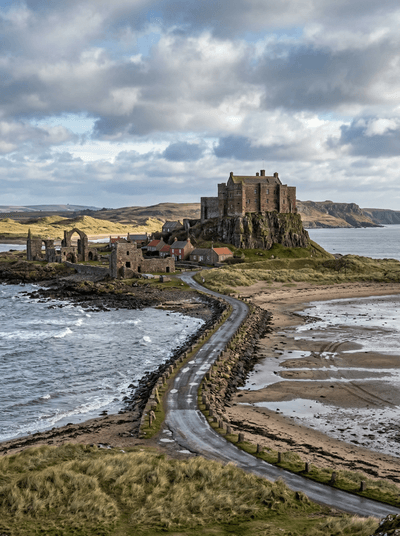
Lindisfarne
England
A tidal island monastery where the causeway drowns twice daily and the tide writes the rules.
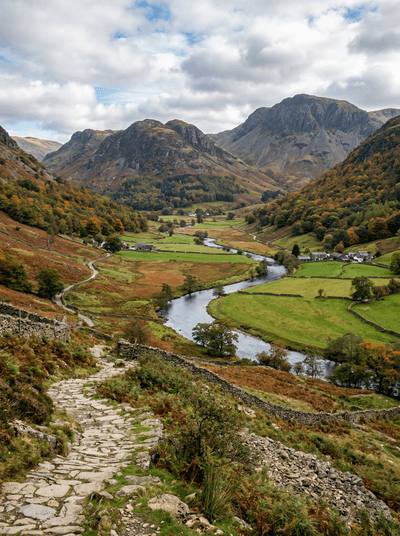
Borrowdale
England
England's wettest valley, where waterfalls thread through oak canopy into black pools.
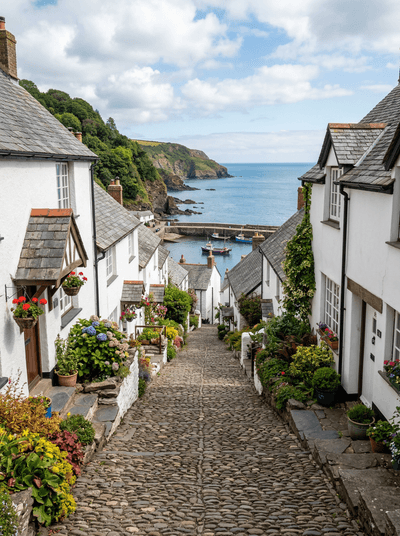
Clovelly
England
A vertical fishing village where wooden sledges carry groceries down car-free cobbles.
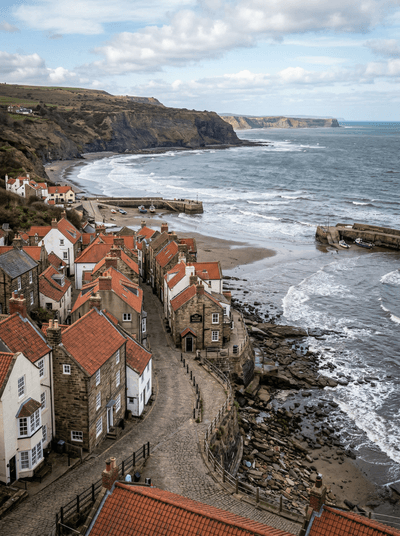
Robin Hood's Bay
England
Red-roofed cottages tumbling so steeply to the sea even the alleyways need handrails.