Mexico
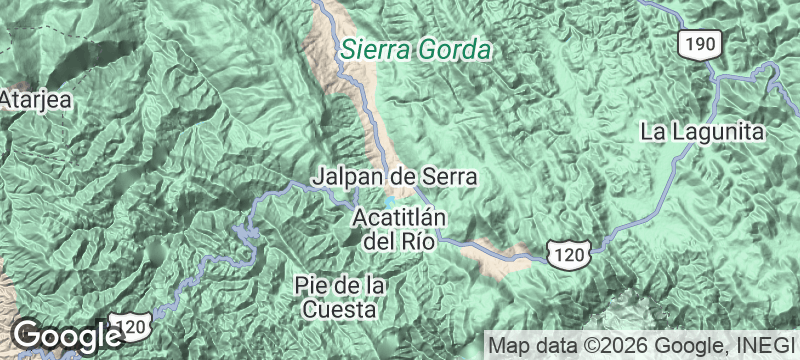
Sierra Gorda
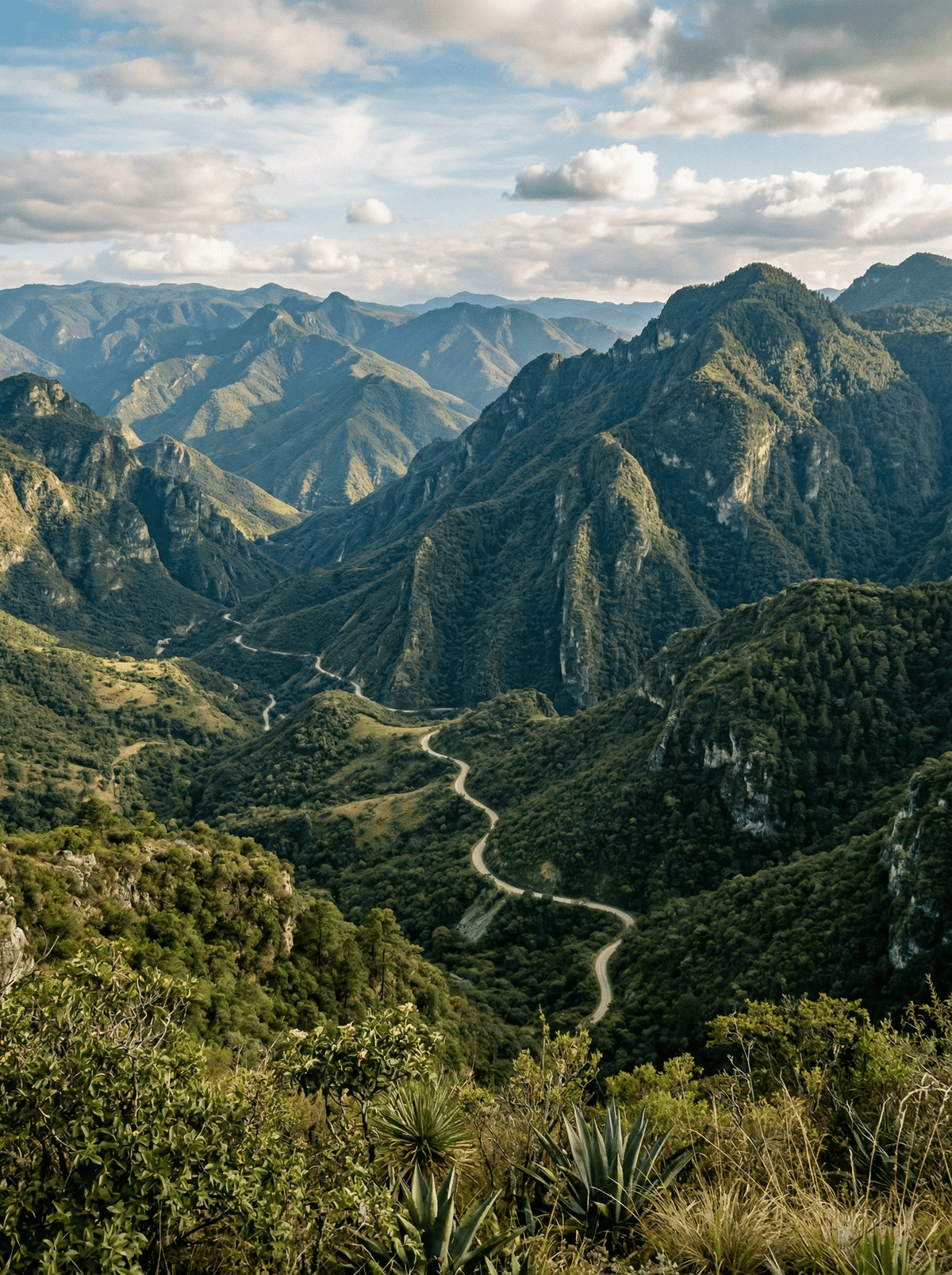
Five Franciscan missions hide in a canyon biosphere where desert, cloud forest and jungle collide.
The road crosses from cactus scrub into cloud forest in a single afternoon. Low in the folds sit the missions, five baroque facades in painted stone, built where the mountains were hardest to reach.
The Sierra Gorda biosphere spans semi-desert, temperate forest, cloud forest and tropical deciduous forest across Querétaro's canyons, sheltering five UNESCO-listed Franciscan missions. Community ecotourism cooperatives run lodging and guiding, keeping income close to conservation. Jalpan's kitchens hold the sierra's table: cured cecina serrana, river prawns and the great Huastec tamal.
Solo
Drive the mission route slowly and sleep at a community ecolodge.
Couple
Pair two missions a day with the biosphere's rivers and viewpoints.
Family
Base at Jalpan and branch out to missions, rivers and canyon lookouts.
- Five UNESCO-listed Franciscan missions hide in canyons across the biosphere.
- The reserve spans semi-desert, temperate forest, cloud forest and tropical deciduous forest.
- Community ecotourism cooperatives run lodging and guiding close to conservation.
Jalpan's cecina serrana is beef cured with bitter orange and salt, the sierra's keeping meat.
Acamayas, the mountain rivers' prawns, and the great zacahuil share the mission-country table.
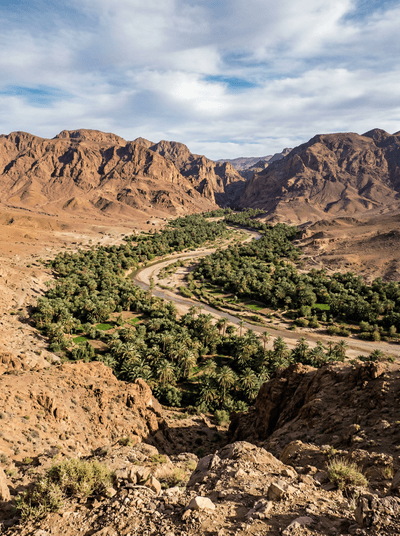
Draa Valley
Morocco
Two and a half million date palms carry a green river towards the Sahara.
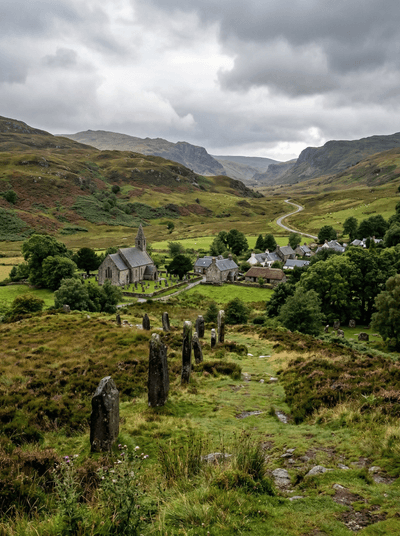
Kilmartin Glen
Scotland
Eight hundred ancient monuments line a single glen — cairns and carvings older than the pyramids.
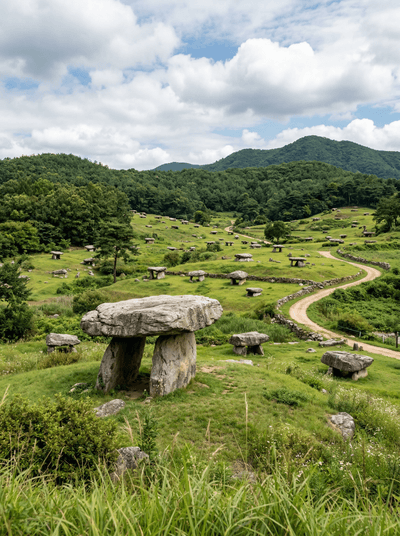
Gochang Dolmen Site
South Korea
Four hundred and forty-seven prehistoric tombs scatter one valley; the largest stone weighs 300 tonnes.
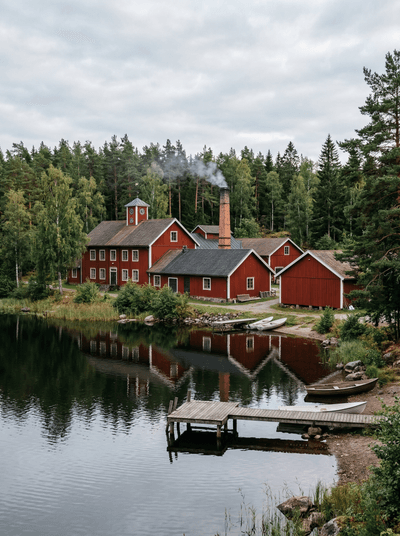
Glasriket (Kingdom of Crystal)
Sweden
Deep-forest glassblowing studios where molten crystal has glowed in the dark for three centuries.
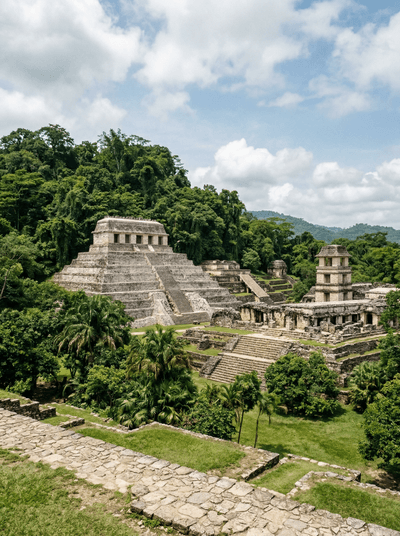
Palenque
Mexico
A dynasty's whole memory stands carved in temples the forest still shades.
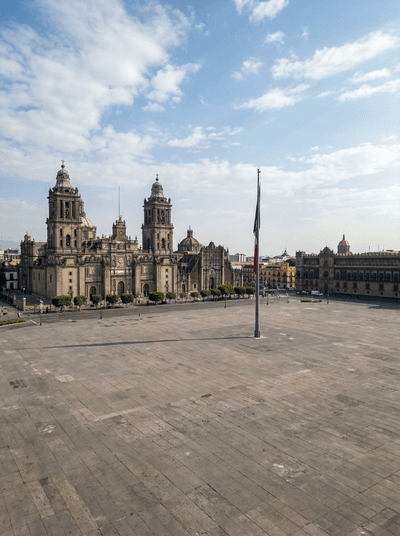
Mexico City (Centro Histórico)
Mexico
Temples, cathedral stones and Art Deco halls occupy the same sinking city core.
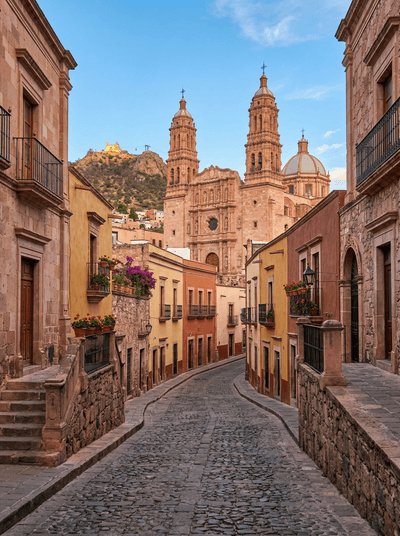
Zacatecas
Mexico
A pink-sandstone city climbs from silver mines to a cathedral carved like frozen lace.
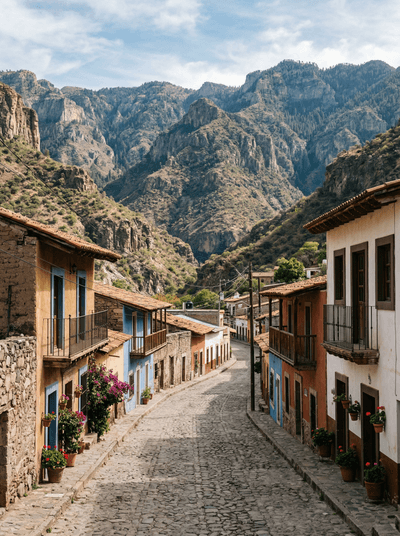
Batopilas
Mexico
A plunging canyon road ends among palms, aqueducts and silver-era stonework.