
Mexico
Mexico City (Centro Histórico)
Temples, cathedral stones and Art Deco halls occupy the same sinking city core.
The Templo Mayor's stones sit a street from the cathedral built partly out of them, and the whole ensemble leans gently as the old lake bed lets it sink. The centre wears every century at once, tilted.
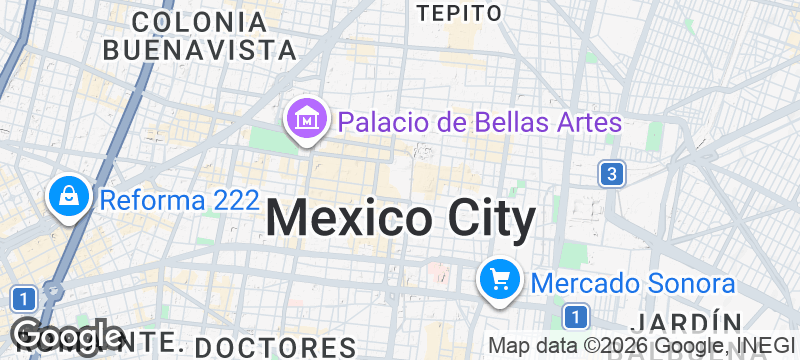
The Centro Histórico layers Mexica archaeology, Spanish colonial streets and modern civic architecture, with Templo Mayor, the Metropolitan Cathedral and the Palacio de Bellas Artes as walkable chapters of one story. Markets, museums and cantinas make it a multi-day district rather than a monument. Its dining rooms carry the city's memory: one famous house has poured coffee since 1912.
Solo
Walk Templo Mayor to Bellas Artes and let the cantinas close the day.
Couple
Layer the centre over several days: ruins, rooftops, markets and old dining rooms.
Friends
Split mornings between museums and afternoons between markets and cantinas.
Family
Anchor days at the Templo Mayor museum and the plazas' street life.
- The Centro Histórico layers Mexica archaeology, Spanish colonial streets and modern civic architecture.
- Templo Mayor, the Metropolitan Cathedral and Palacio de Bellas Artes form distinct walkable chapters.
- Markets, museums and cantinas make the centre a multi-day district, not one monument.
The Café de Tacuba has served the centre since 1912, among the city's most storied dining rooms.
El Cardenal, cooking traditional guisos since 1969, sets the standard for the capital's classic table.
Porto
Portugal
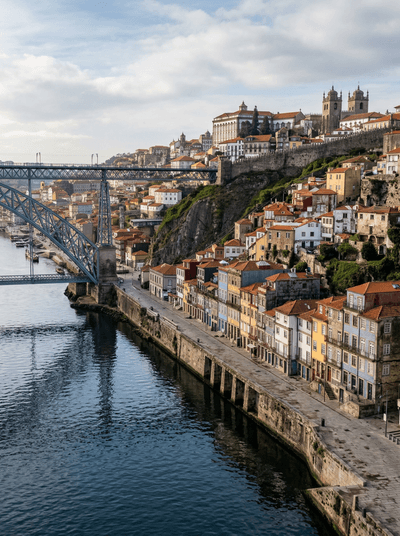
Port cellars carved into one bank while azulejo tiles turn the other blue.
Noto
Italy
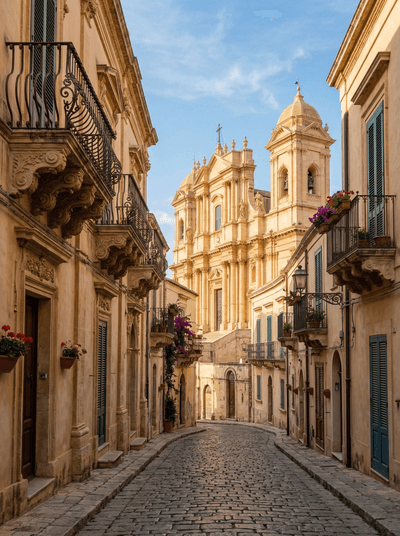
Rebuilt in honey-coloured stone after an earthquake, every facade a Baroque theatrical set.
Ortigia
Italy
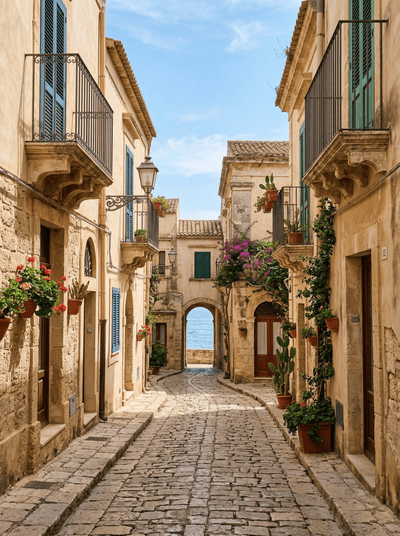
A Greek island heart inside a Sicilian city, Archimedes' birthplace where temples became cathedrals.
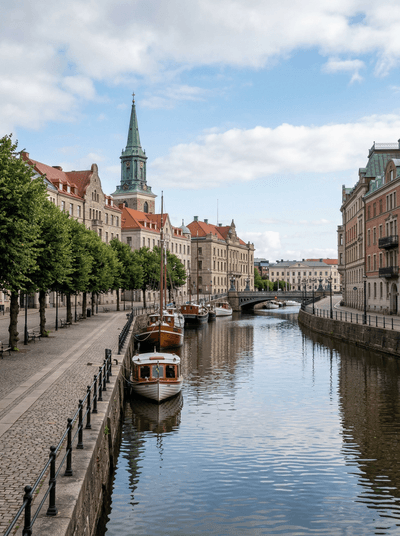
Gothenburg
Sweden
A fish market shaped like a church where the west coast's langoustine feels like sacrament.
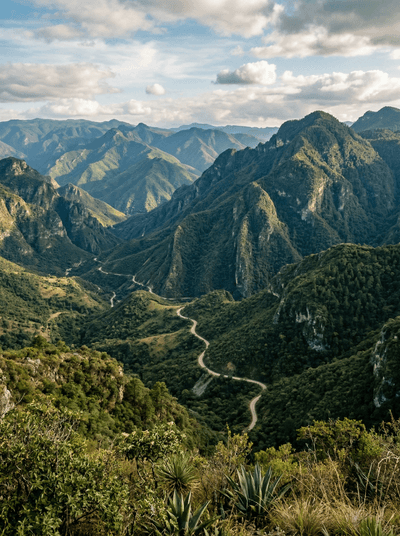
Sierra Gorda
Mexico
Five Franciscan missions hide in a canyon biosphere where desert, cloud forest and jungle collide.
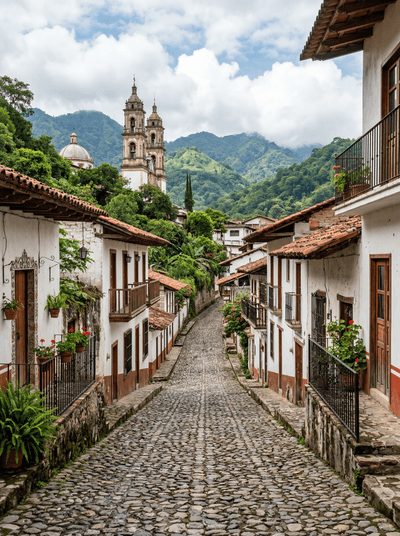
Cuetzalan
Mexico
Clouds drift through steep market streets above coffee, caves and forest paths.
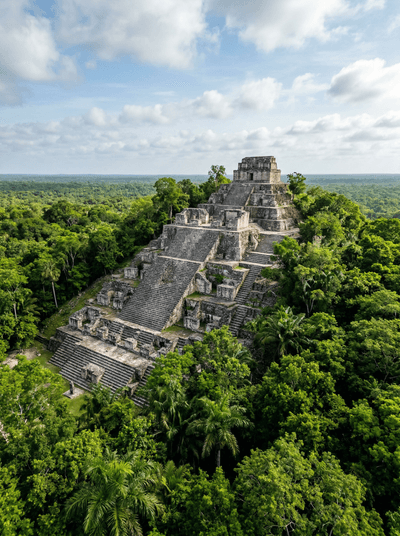
Calakmul
Mexico
A Maya capital's towers still stand above an unbroken sea of forest.
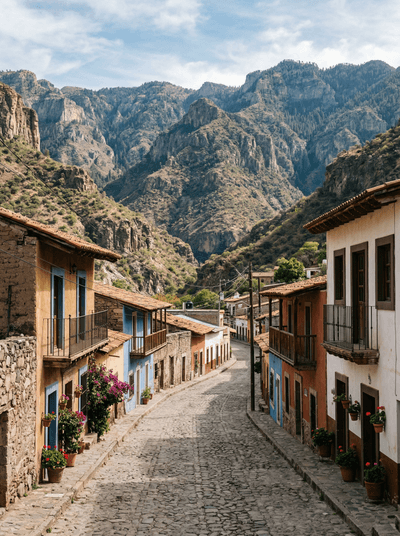
Batopilas
Mexico
A plunging canyon road ends among palms, aqueducts and silver-era stonework.