Fiji
Sigatoka Sand Dunes
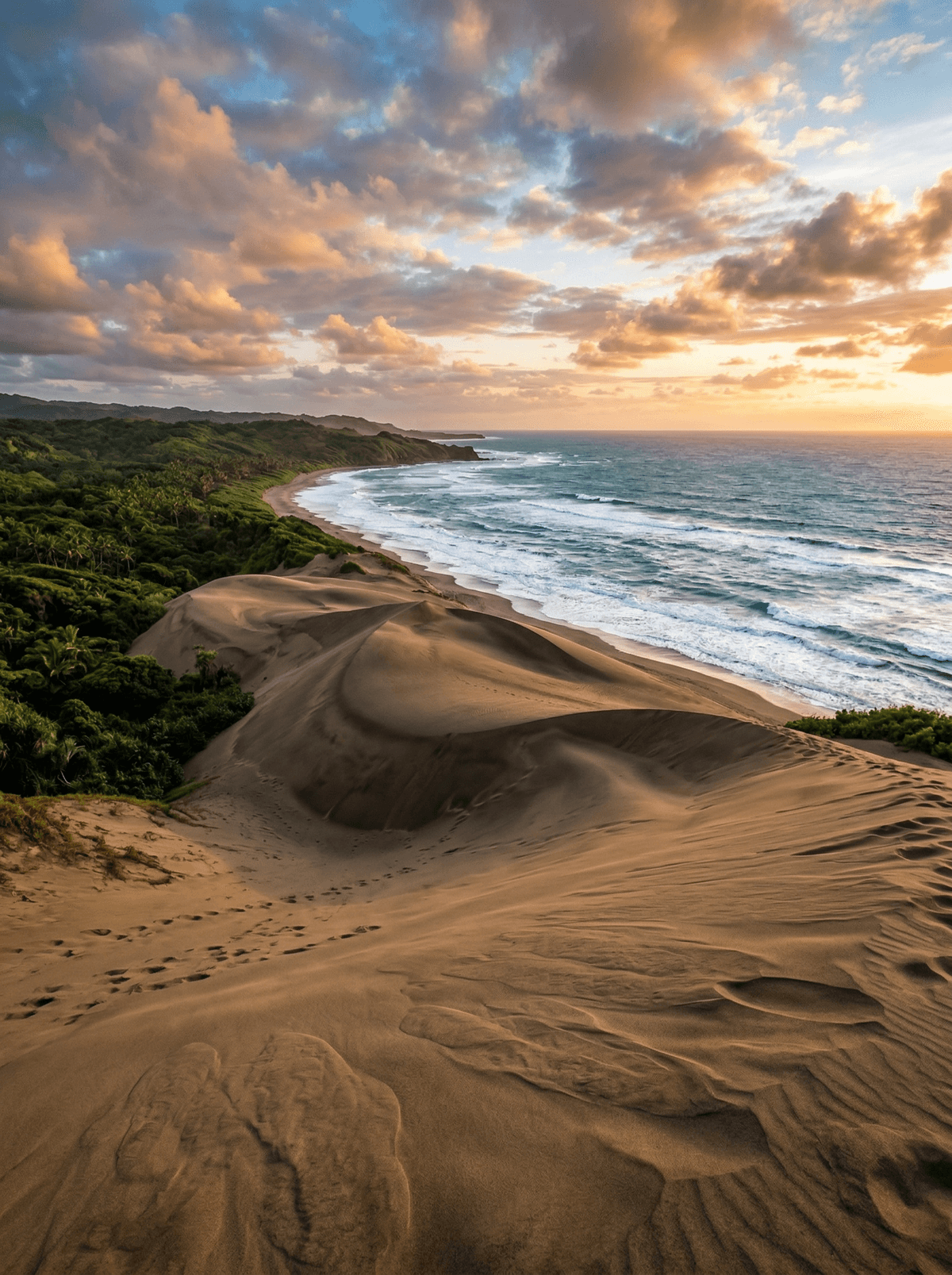
Wind peels back dunes to reveal 2,600-year-old Lapita pottery shards and human bones beneath the sand.
Wind off the Coral Sea peels the dunes back in layers, and the archaeology comes up with the sand. A fragment of pottery here, a section of exposed bone there — 2,600 years of Lapita occupation revealed not by excavation but by erosion. The dunes are doing the archaeologist's work.
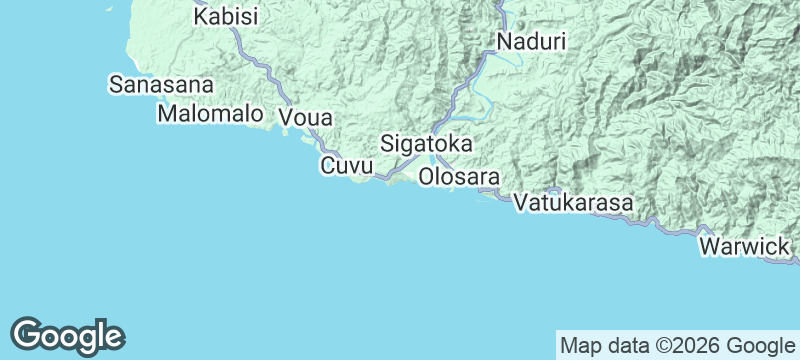
The Sigatoka Sand Dunes National Park covers approximately 650 hectares along the Coral Coast of southwest Viti Levu. The dunes, reaching 60 metres in height, are formed from sand carried by the Sigatoka River and redistributed by coastal winds. The site's archaeological significance relates to the Lapita cultural complex — the seafaring people whose expansion populated the Pacific from Southeast Asia around 3,500 years ago. Wind erosion of the dune face continuously reveals pottery sherds and burials without excavation. The National Trust manages a visitor centre that contextualises finds within Pacific prehistory. Trails cross the dune ridges with views of the Coral Coast and river estuary.
Solo
Archaeology revealed by wind rather than excavation is a genuinely unusual experience — the dunes reward slow, observant walking rather than a quick circuit.
Family
Walkable trails, coastal scenery, and ground-level archaeology visible to any eye make the dunes one of Fiji's most accessible natural and historical destinations for children.
Couple
The open dune ridges and the scale of the coastal landscape create a dramatic Pacific setting unlike anything else accessible on Viti Levu's southern coast.
- When erosion exposes a fresh layer, rangers find Lapita pottery shards and human bones at the surface — the dunes are an active archaeological site.
- The Lapita people settled Fiji around 3,500 years ago; the Sigatoka site is among the best-documented from this first-wave Pacific migration.
- The national park trail climbs dune crests and descends to the beach — the full circuit takes under two hours.
- Sigatoka town's Saturday market is 5 kilometres inland — morning at the market, afternoon at the dunes makes a complete Coral Coast day.
Coral Coast resorts serve Indo-Fijian curries alongside traditional Fijian feasts.
Roadside stalls sell freshly fried cassava chips and green coconut water.
River prawns from the Sigatoka River, grilled with garlic and lime.
Trollskogen (Öland)
Sweden
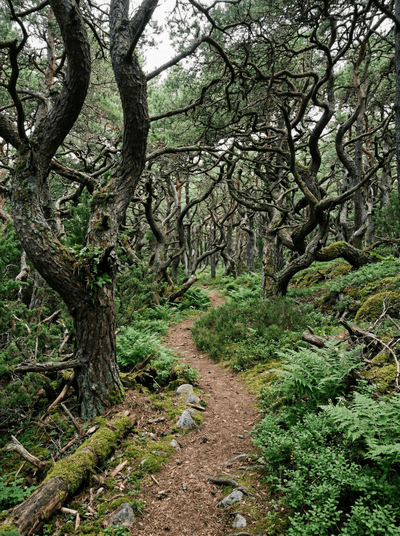
A forest of wind-warped oaks so twisted they look like a witch's spell gone wrong.
Millennium Cave
Vanuatu
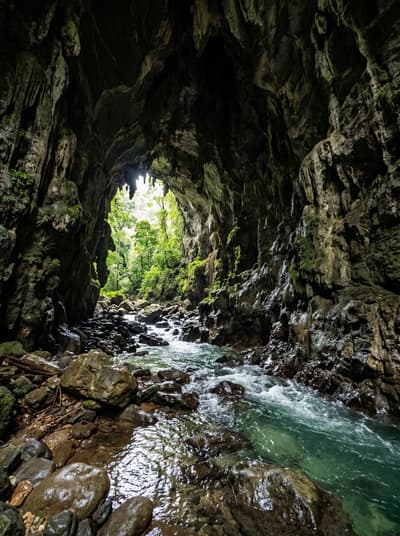
Scramble through jungle and wade chest-deep rivers to a cave you enter walking and exit floating.
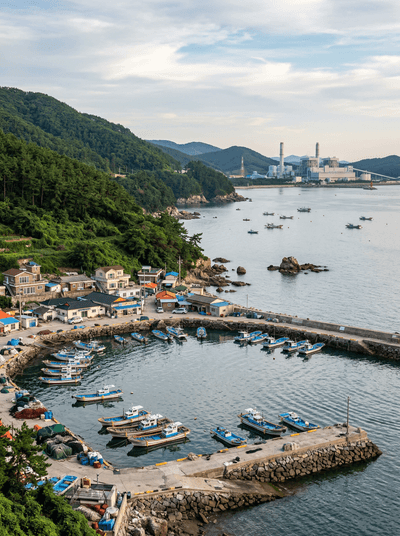
Maryang-ri
South Korea
A five-hundred-year-old forest of camellia trees bleeding red flowers against the grey winter sea.
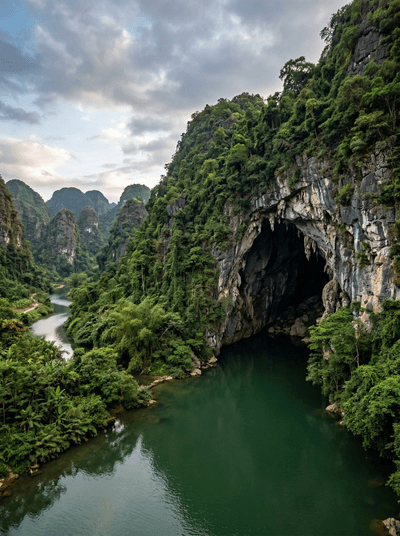
Phong Nha
Vietnam
Hidden jungle portals opening into subterranean river systems and limestone caverns.
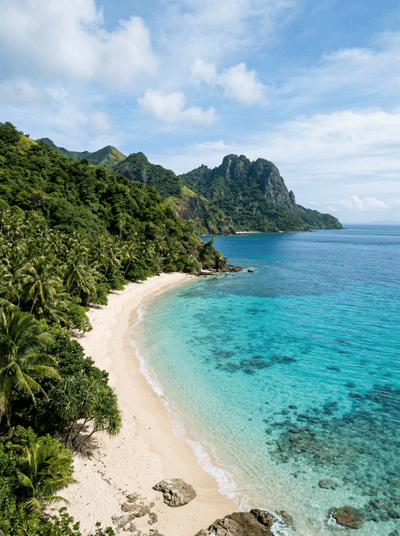
Yasawa Islands
Fiji
Volcanic spines pierce the Pacific, each island a different shade of turquoise solitude.
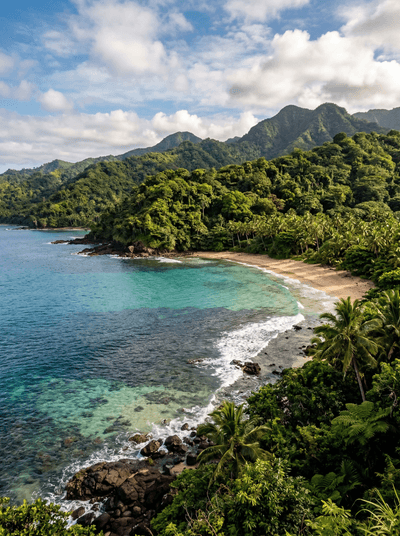
Taveuni
Fiji
The 180th meridian slices through this rainforest island, splitting today from yesterday underfoot.
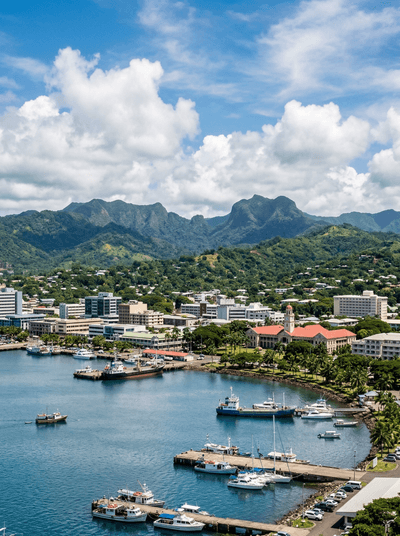
Suva
Fiji
South Pacific hustle where Hindi temples share streets with Fijian markets and colonial verandahs.
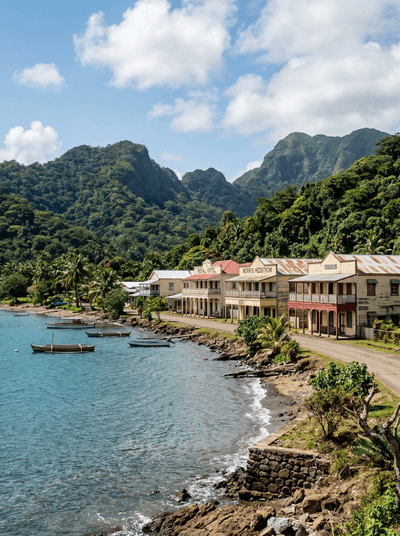
Levuka
Fiji
Fiji's first colonial capital frozen in the 1870s, wooden shopfronts sagging under tropical rain.