Cape Verde
Sinagoga
A ruined synagogue on volcanic rock where 19th-century Jewish exiles carved a life from the sea.
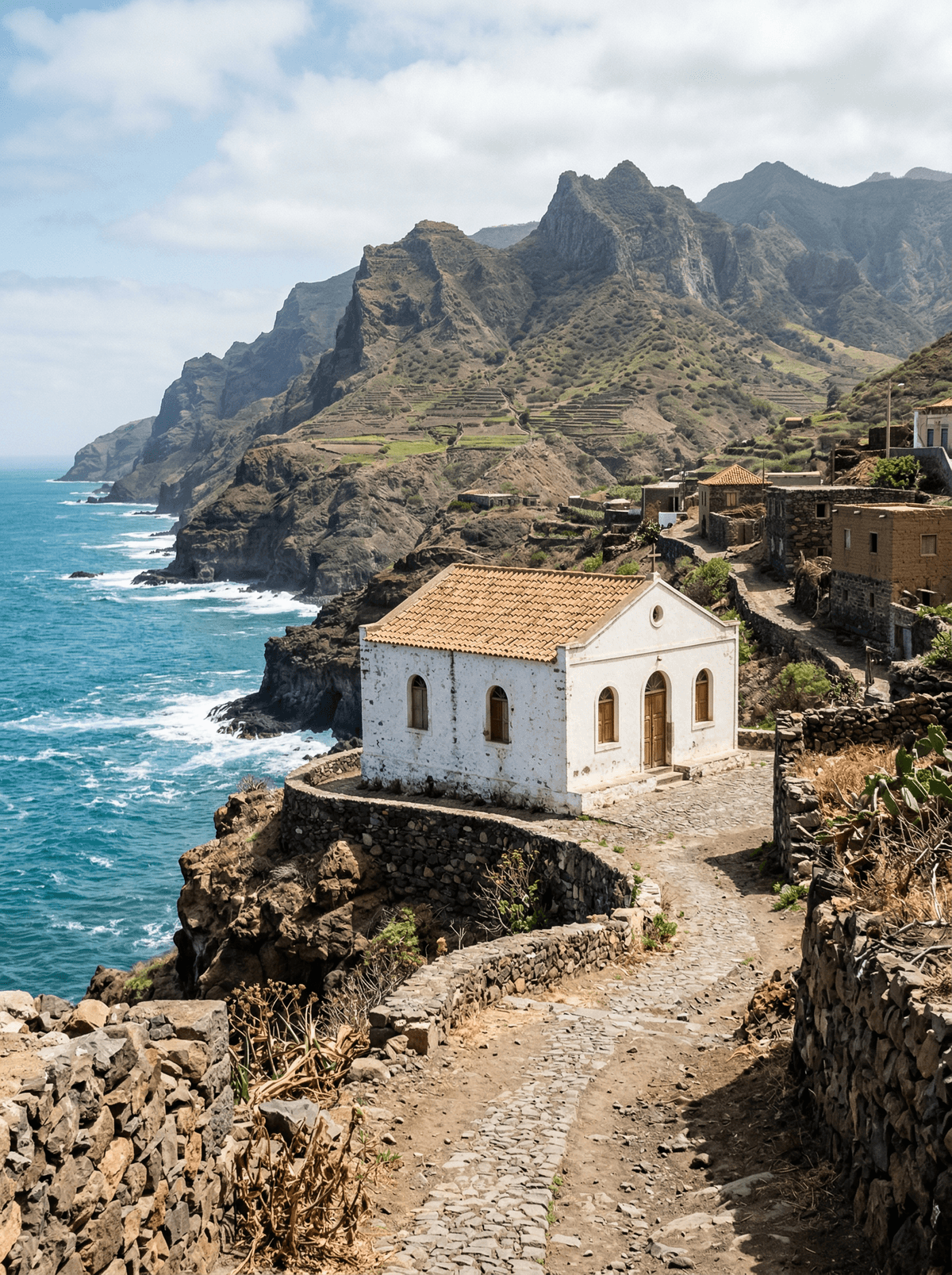
The walls stand open to the Atlantic, roofless and salt-scoured, built on black volcanic rock where the spray reaches at high tide. This was once a synagogue — raised by Sephardic Jewish traders who fled Morocco in the mid-19th century and carved a community from this unlikely stretch of Santo Antão's coast. The congregation lasted barely two generations. The walls have lasted longer.
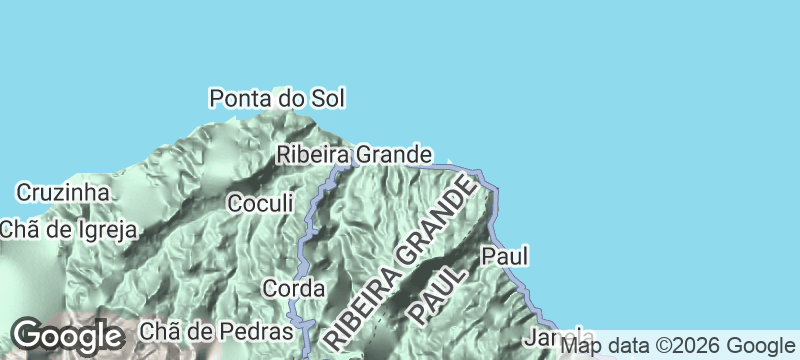
Sinagoga takes its name from the ruined synagogue that is the only physical trace of a Jewish community that settled here in the mid-19th century. Sephardic traders, likely driven from Morocco by persecution, established themselves on this volcanic headland and built a place of worship from local stone. Within two generations, the community had dispersed — absorbed, emigrated, or simply gone. The ruins sit directly above the ocean on black volcanic rock, surrounded by natural tidal pools carved by wave action where locals swim when the swell drops. The coastal trail from Ponta do Sol takes roughly an hour, passing through a landscape where the only sounds are wind and surf. The nearest trapiche produces a grogue with a reputation across Santo Antão, pressed and distilled on-site and sold directly in unlabelled bottles.
Solo
The hour-long coastal walk and the weight of the history at the end suit the kind of traveller who finds meaning in ruins. Standing in a roofless synagogue above the Atlantic, piecing together a story that most histories never recorded, is a profoundly solitary experience.
Couple
The trail from Ponta do Sol is scenic enough to justify the walk on its own, and the ruins add a layer of poignancy that turns a hike into something deeper. Swimming in the natural rock pools below the synagogue walls, with the ocean crashing beyond, is as atmospheric as Cape Verde gets.
Friends
The combination of a coastal hike, a genuinely obscure historical site, and natural swimming pools makes Sinagoga work as a half-day expedition. The grogue stop at the nearby trapiche provides the social punctuation that hiking groups need — and the walk back to Ponta do Sol is downhill.
- The ruined synagogue dates to the mid-19th century, when Sephardic Jewish traders fleeing Morocco settled this stretch of coast — the surviving walls are the only evidence of a Jewish community that vanished within two generations.
- The site sits on black volcanic rock directly above the ocean, with natural pools carved by wave action that locals use for swimming when the swell drops.
- The hike from Ponta do Sol along the coastal path to Sinagoga takes roughly an hour — the village itself takes ten minutes to walk, but the history fills the remaining time.
- Grogue from the trapiche nearest the village has a reputation across Santo Antão for quality — it is pressed, distilled, and sold directly from the property without labelling or ceremony.
Rock pools yield lapas and buzio — locals prise them from the reef and grill on the spot.
Grogue from the nearest trapiche, walked down in recycled water bottles by the litre.
Hideaway Island
Vanuatu
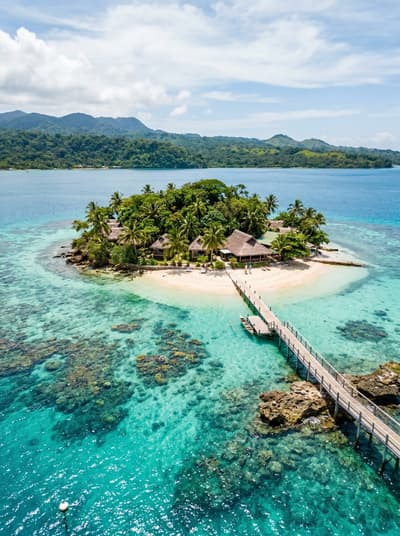
Post a waterproof postcard from the world's only underwater post office, then snorkel its coral reef.
Ureparapara
Vanuatu
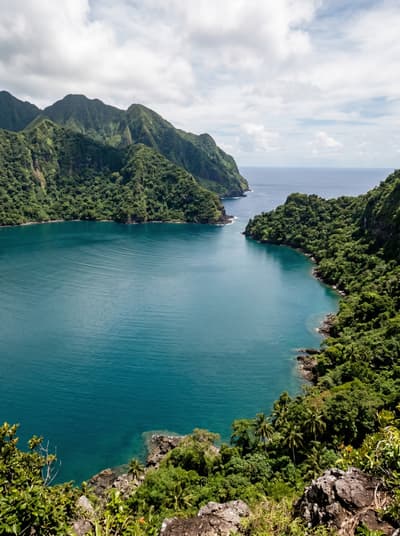
Sail into the flooded crater of a horseshoe-shaped volcanic island where fewer than 500 people remain.
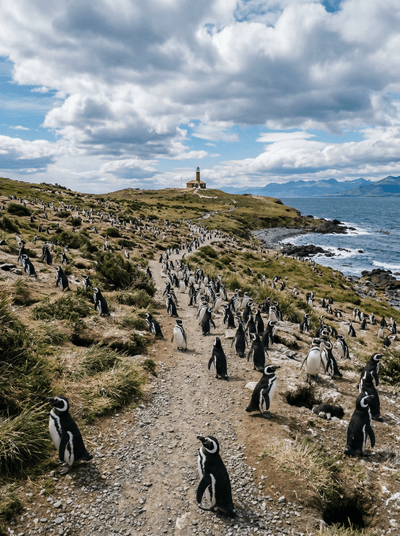
Isla Magdalena
Chile
Magellanic penguins in their tens of thousands, nesting so close you walk through their colony.
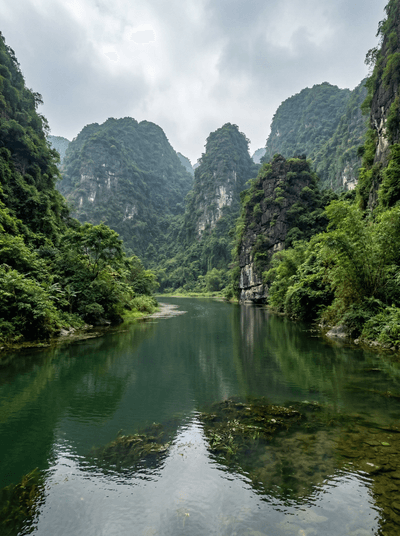
Trang An
Vietnam
Sampans paddled by foot through flooded caves beneath vertical limestone monoliths.
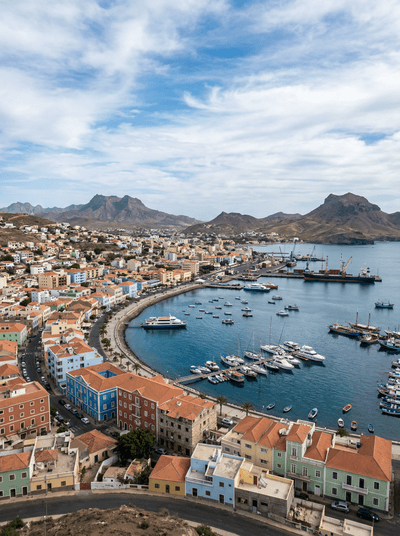
Mindelo
Cape Verde
Morna music drifts from dimly lit bars where Cesária Évora once sang barefoot for sailors.
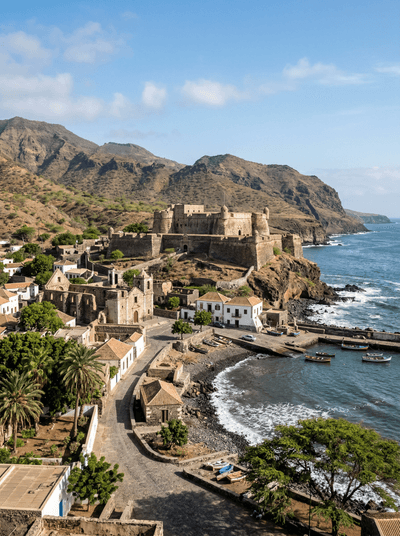
Cidade Velha
Cape Verde
First colonial city in the tropics — a slave pillory still stands in the silent square.
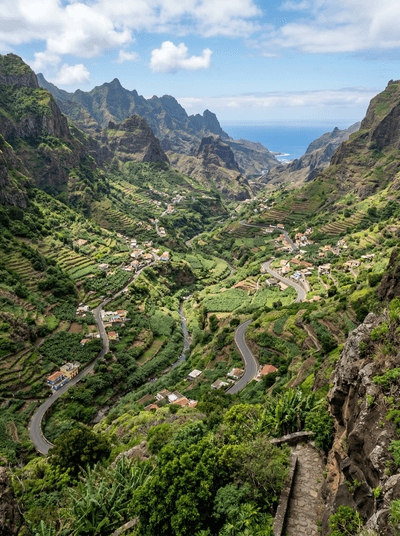
Vale do Paúl
Cape Verde
Sugarcane terraces spill down a volcanic crater into the greenest valley in the archipelago.
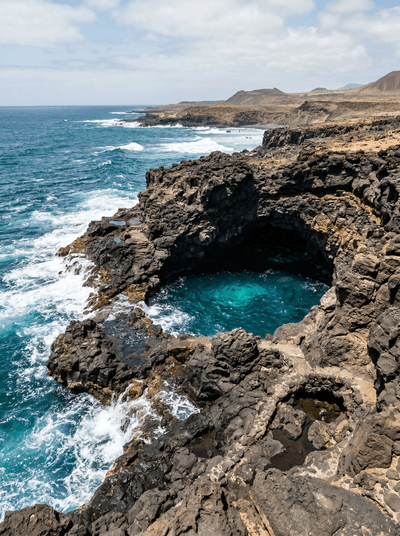
Buracona
Cape Verde
At midday, sunlight plunges through volcanic rock and ignites an underwater cave into electric blue.