Iceland
Sólheimasandur
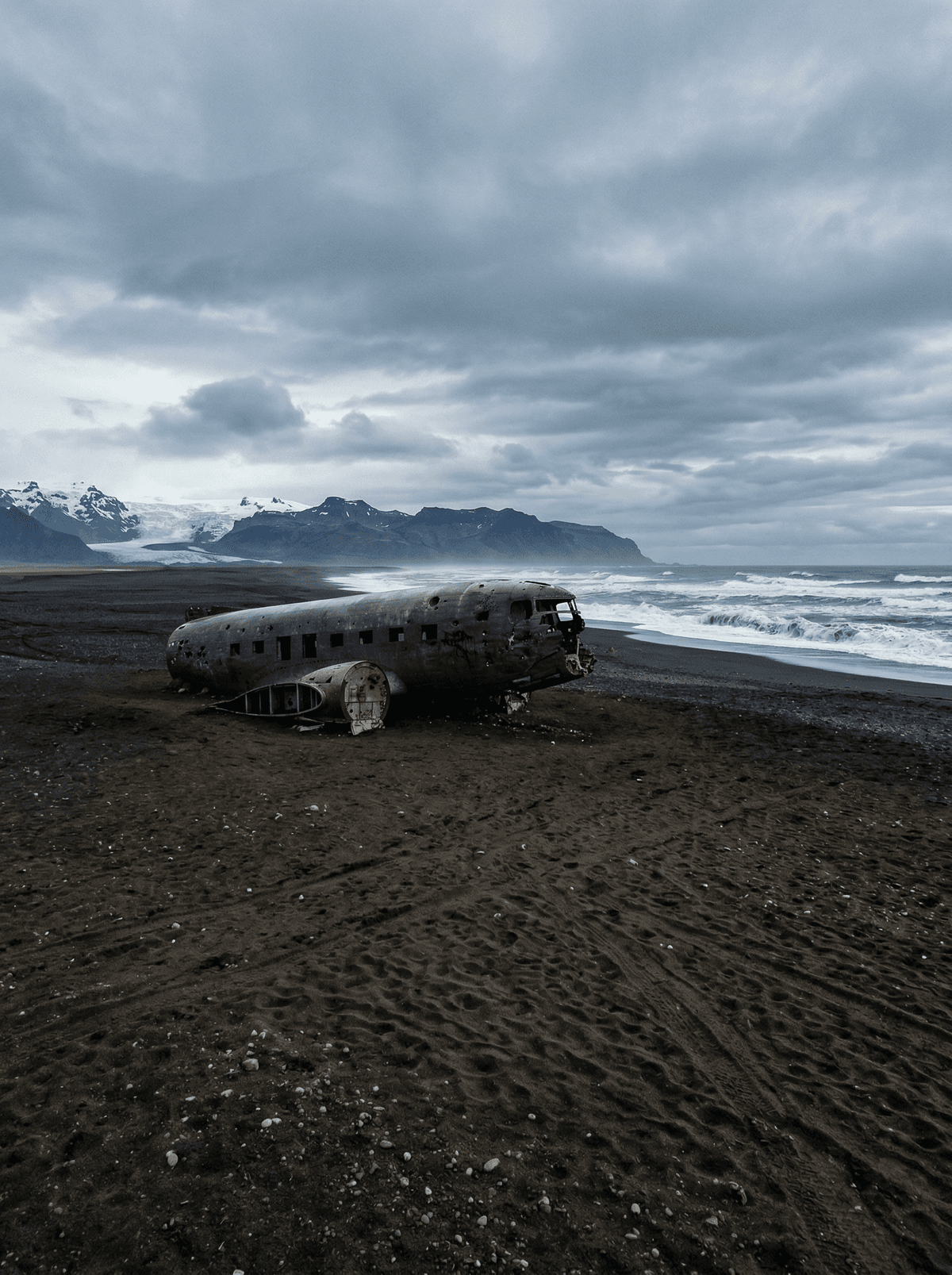
A wrecked US Navy plane rusting on a black sand desert where nothing else exists.
The wreck appears gradually — a pale aluminium skeleton growing larger against an infinite black plain. There is nothing else. No rocks, no buildings, no colour. Just the DC-3 fuselage, the sand and the sky, on a plain that absorbed a dead machine into its own emptiness.
On 21 November 1973, a US Navy DC-3 force-landed on the Sólheimasandur outwash plain; the crew all walked away, and the fuselage stayed where it stopped — too remote and too heavy to be worth recovering. Five decades of Atlantic wind and volcanic sand have stripped it to a skeleton: no paint, no windows, just the frame. The four-kilometre walk in from the Ring Road car park crosses a featureless glacial plain with no landmarks and no shelter — the monotony is deliberate seasoning, amplifying the surreal impact of a dead aircraft in the middle of nothing. Winter dusts the aluminium white; midnight summer light turns it gold.
Solo
Four kilometres across empty black sand, alone, towards a wreck you can't see until you're nearly on it — Iceland's most powerful exercise in solitude and scale.
Friends
The approach, the surreal reveal and the wreck's photographic pull make an iconic group stop — the shot that defines the trip's feed.
- A US Navy DC-3 force-landed on the plain in 1973 — the skeleton still lies where it stopped.
- The four-kilometre walk across featureless black desert is part of the experience.
- Nothing else stands on the plain — sand, sky and aluminium.
- Photographable in every season: snow-dusted in winter, gold under the midnight sun.
Packed sandwiches of smoked lamb and pickled red cabbage for the long beach walk.
Hot chocolate from a thermos, the only warmth on the endless black plain.
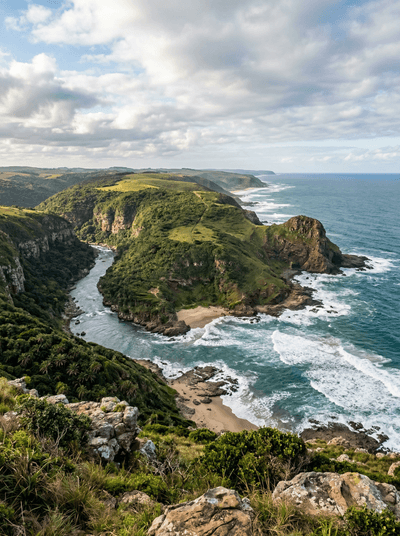
Mkambati Nature Reserve
South Africa
Grassland rivers fall onto empty beaches along an undeveloped Indian Ocean shore.
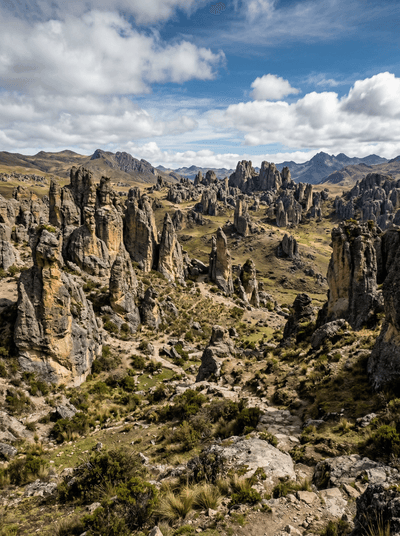
Huayllay Stone Forest
Peru
Thousands of rock formations on a frozen altiplano, eroded into elephants and faces.
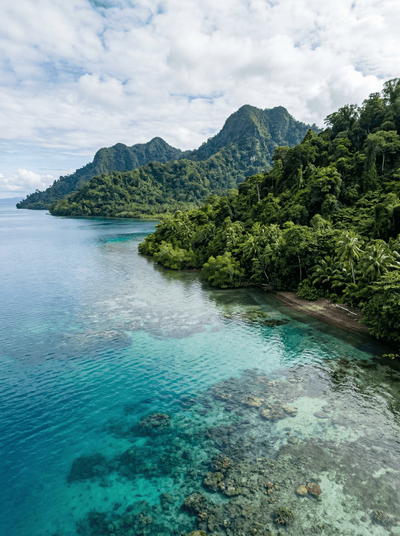
Vangunu Island
Solomon Islands
A giant rat known to Zaira's forest for generations, and to science only since 2017.
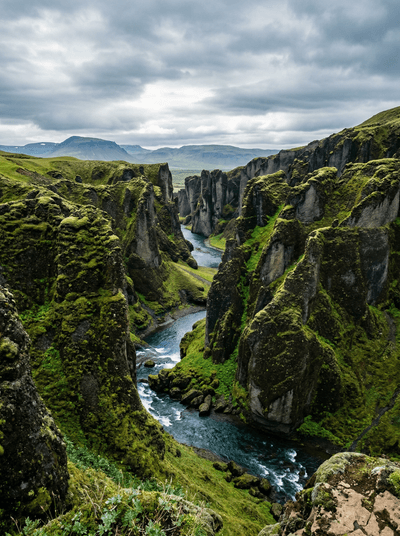
Fjaðrárgljúfur
Iceland
A serpentine canyon with walls of moss-covered palagonite carved by ancient glacial meltwater.
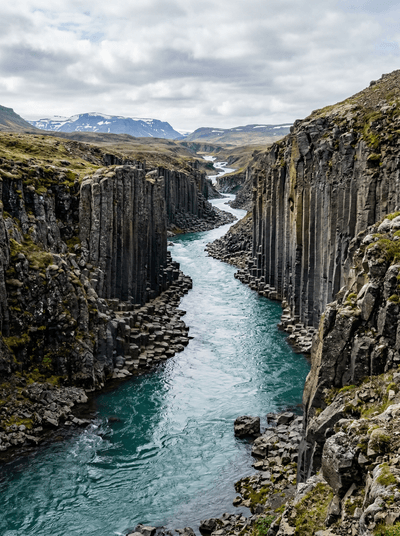
Stuðlagil Canyon
Iceland
A glacial river surging through geometric towers of perfectly hexagonal basalt.
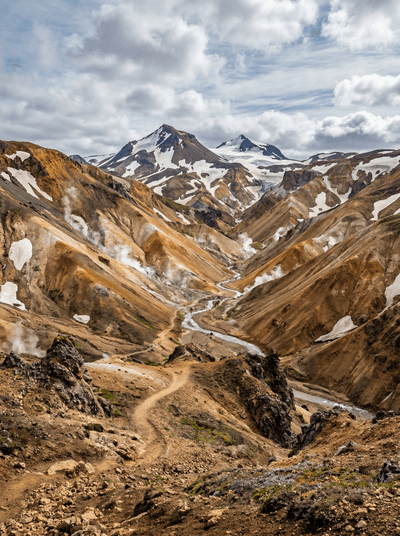
Kerlingarfjöll
Iceland
Steaming orange rhyolite mountains and hissing vents in a high-altitude geothermal desert.
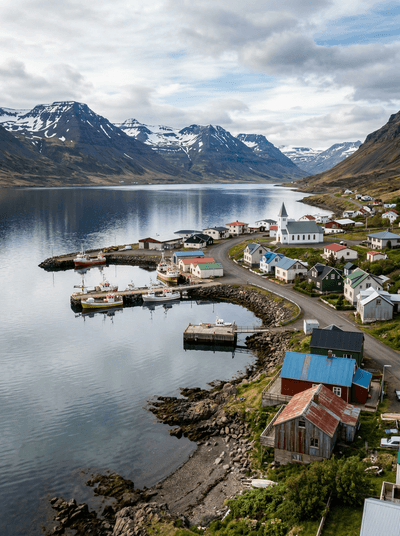
Hólmavík
Iceland
A sleepy fjord village home to a dark history of Icelandic sorcery and witchcraft.