Egypt
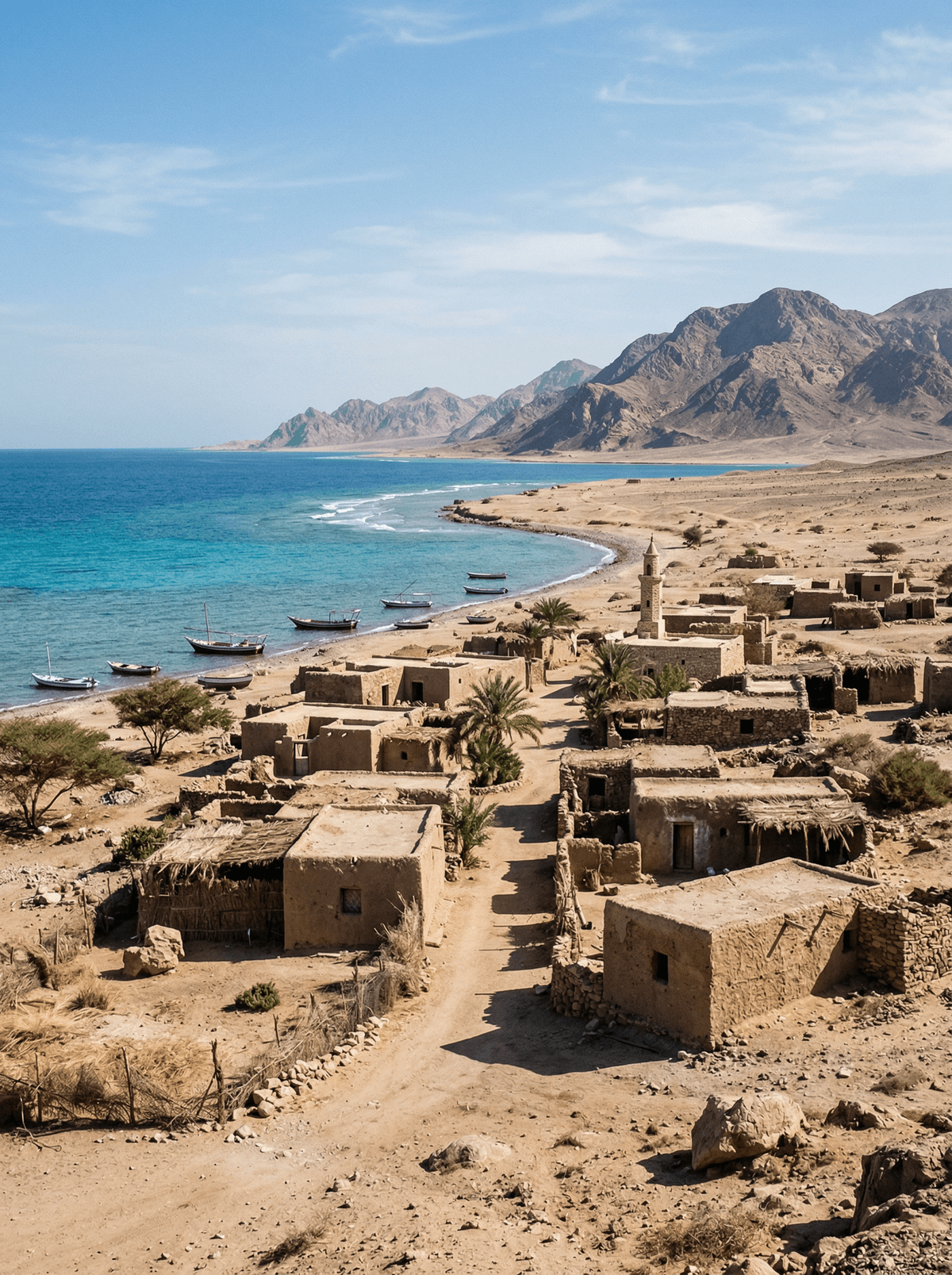
Shalateen
A frontier camel market where Bishari traders drive herds across the Sudanese borderlands.
Dust rises from the pens as hundreds of camels shift and bellow, their Bishari handlers shouting prices in a language that is not Arabic. The market spreads across open ground near the Sudanese border, a crossroads of African and Arab trading cultures that operates on its own rhythm. The air smells of livestock, charcoal smoke, and cinnamon-laced tea.
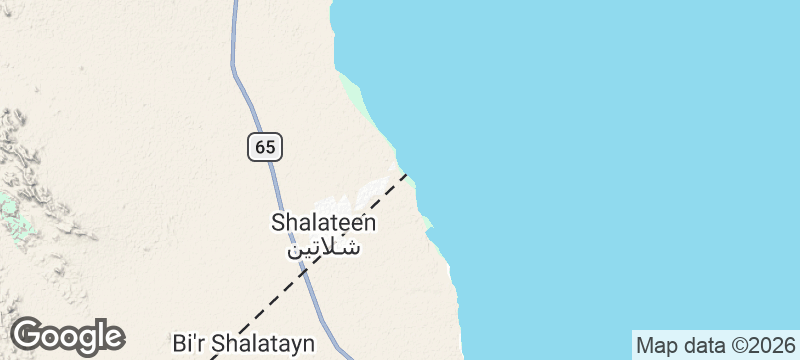
Shalateen is Egypt's southernmost significant settlement, a frontier town on the Red Sea coast near the disputed Hala'ib Triangle. Its weekly camel market is one of the largest in north-east Africa, where Bishari and Ababda traders drive herds north from Sudan for sale to Egyptian buyers. The town operates at the cultural boundary between Arab Egypt and African Sudan — Beja languages are spoken alongside Arabic, and the material culture reflects a pastoral nomadic tradition that predates both modern nations. Shalateen has no tourist infrastructure, no hotels marketed to foreigners, and no attractions in the conventional sense. What it offers is unfiltered access to a living trading culture that has operated along these routes for centuries.
Solo
Shalateen rewards the self-directed traveller willing to navigate a town with no tourist infrastructure. You will be conspicuous, welcomed, and offered tea repeatedly — this is immersive cultural travel at its most raw.
Friends
The logistical challenge of reaching and navigating Shalateen is best shared. A small group can split the cost of a local guide and vehicle while experiencing a market that feels like stepping into a different century.
- The Monday camel market is one of the largest in northeast Africa, with hundreds of animals changing hands each week between Bishari and Ababda traders.
- Shalateen sits in the Hala'ib Triangle — a disputed border zone where Egyptian and Sudanese cultures meet and the regulatory environment is visibly different from the north.
- The Bishari and Ababda people who trade here have crossed the Sudanese border seasonally for centuries — this is a living pastoral economy, not a tourist market.
- The coastal road south from Berenice ends at Shalateen 75km beyond the last resort, in a region that sees almost no independent travellers.
Smoky camel-meat stew with onions and chilli, ladled over flatbread at market-side cookfires.
Sweet Bishari tea brewed thick with sugar and cinnamon, shared with herders on woven mats.
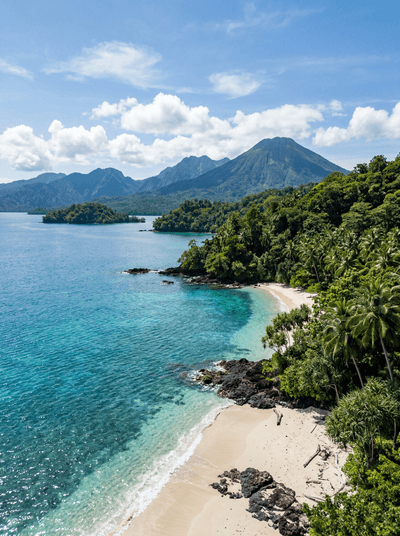
Halmahera
Indonesia
Two halves of one island hosting completely different species—where Wallace drew the line between worlds.
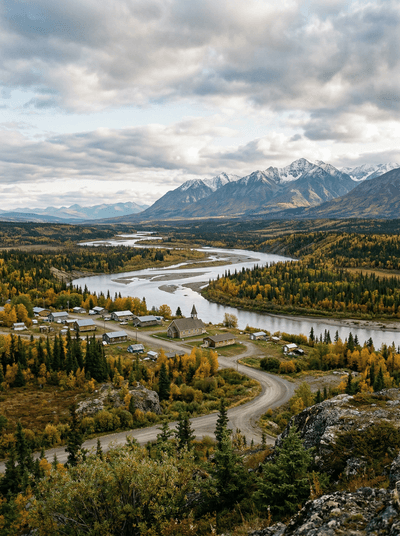
Gwichʼin Settlement Region
Canada
Where the Porcupine caribou herd — 200,000 strong — pours across the tundra every spring.
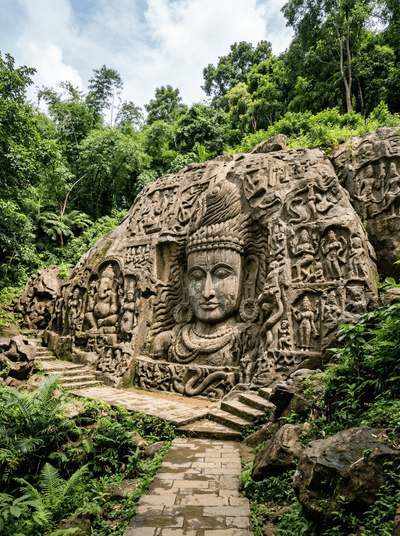
Unakoti
India
Massive stone faces of Hindu deities carved into a jungle cliff-face swallowed by vines.
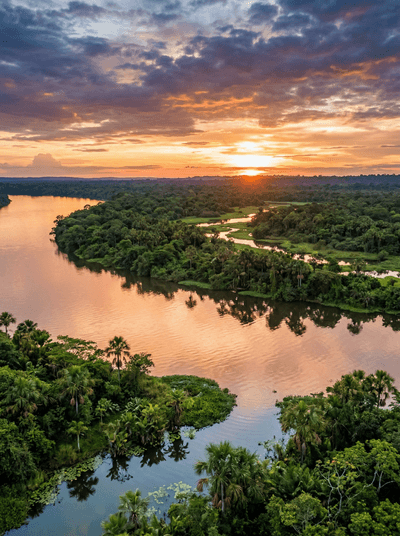
Bananal Island
Brazil
The world's largest river island — a Karajá homeland where the Araguaia splits into two channels.
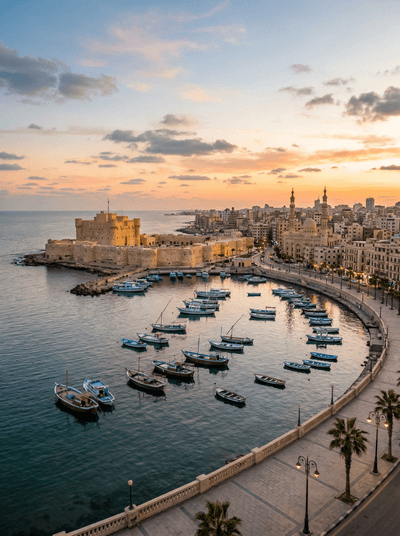
Alexandria
Egypt
Salt-weathered Mediterranean balconies above a seafront where Cleopatra's palace lies submerged offshore.
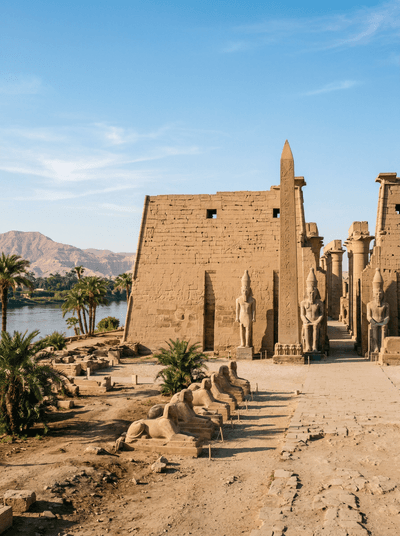
Luxor
Egypt
Dawn light flooding Karnak's hypostyle hall through columns carved before Rome existed.
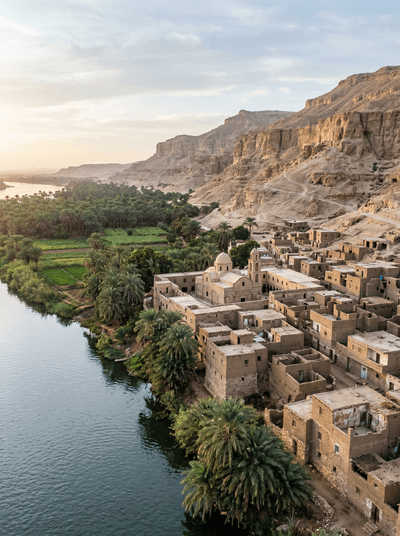
Deir Abu Hinnis
Egypt
Roman-era limestone quarries with workers' graffiti and a hidden early Christian chapel inside.
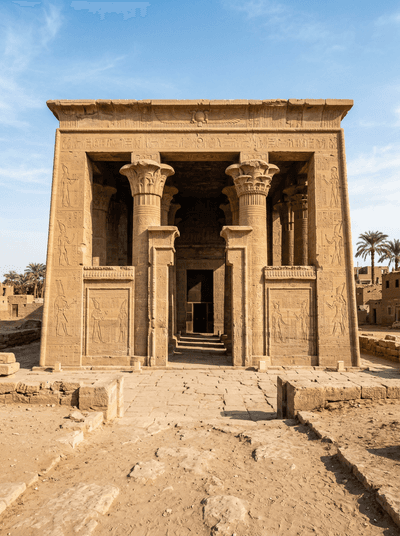
Esna
Egypt
A Ptolemaic temple buried nine metres below a modern town, its zodiac ceiling still overhead.