South Africa
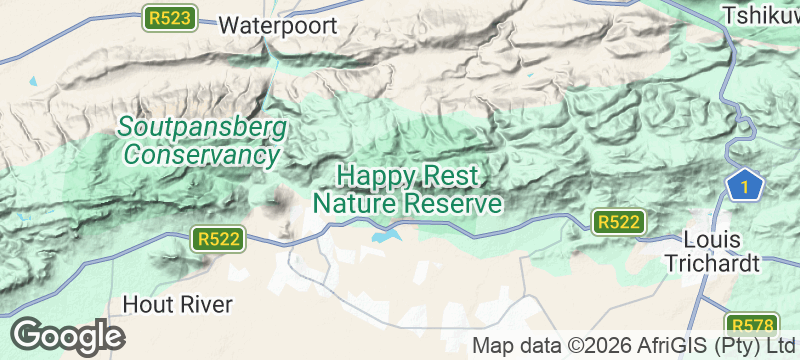
Soutpansberg
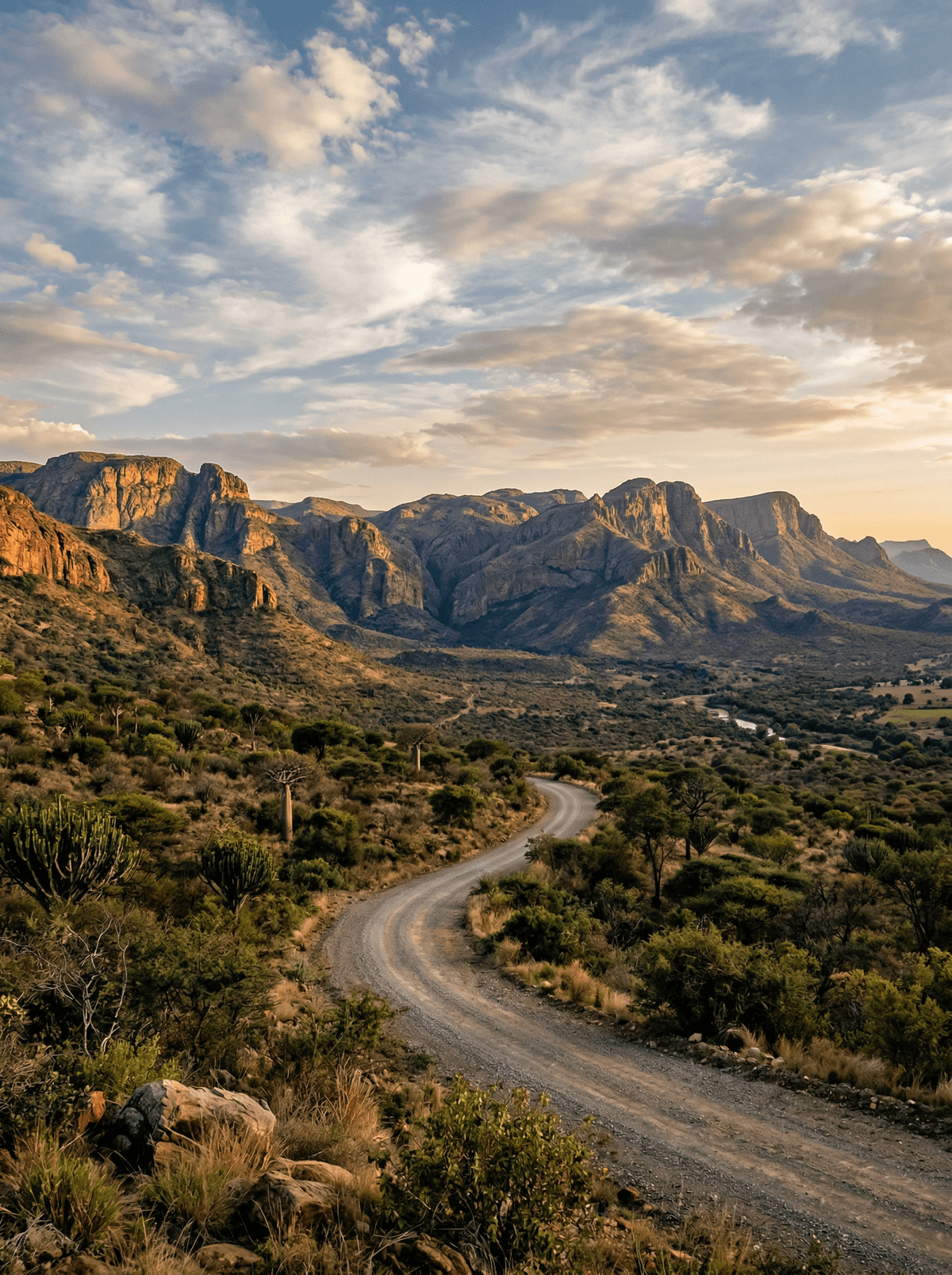
Mist forest and baobab country meet along a mountain named for salt.
Cloud catches in the ridge forest while dry lowlands open on the northern side. Baobabs replace mist trees within one crossing of the mountain.
Soutpansberg rewards a planned base and a knowledgeable guide. The ecological shift across the ridge is the main event, with forest birds and dry-country views changing over surprisingly short distances. Venda cultural context gives that natural contrast a human landscape rather than treating the mountain as empty wilderness.
Solo
Choose a named reserve or guide and let birding or a Venda cultural route provide the day’s focus; the range has no single gate.
- The Soutpansberg crosses distinct wet and dry ecological zones.
- Hiking and birding are organised through private reserves and guides.
- Venda cultural landscapes surround the range.
- Access is fragmented rather than managed as one national park.
Guavas, litchis, avocados, mangoes and macadamias ripen in the Levubu valleys under the mountain.
Roasted mopane worms are the VhaVenda delicacy of these slopes.
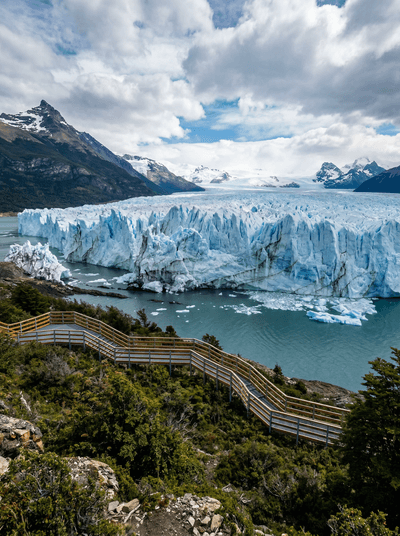
Parque Nacional Perito Moreno
Argentina
Argentina's emptiest national park — turquoise lakes, open steppe and trails measured in days.
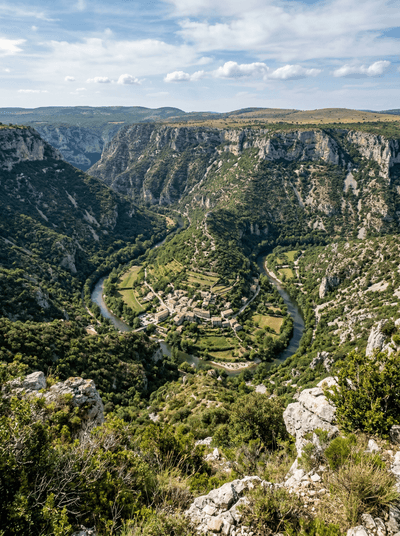
Cirque de Navacelles
France
A natural amphitheatre where a river abandoned its own meander, leaving a hamlet at the bottom.
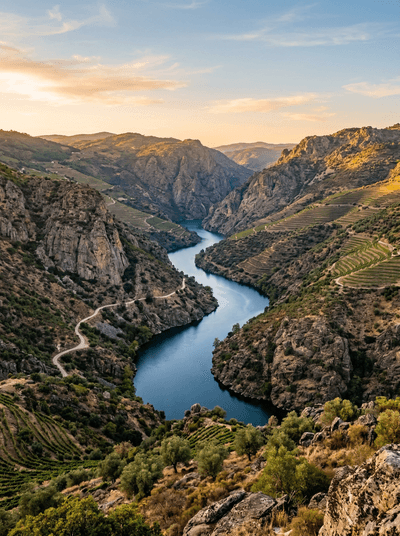
Douro Internacional
Portugal
A 200-metre canyon slicing the border, its cliff air ruled by griffon vultures.
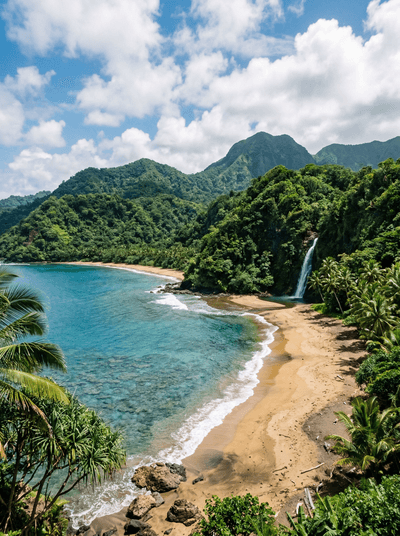
Vanua Lava
Vanuatu
Twin waterfalls the locals call the Devils' drop 120 metres in tandem into a fern-lined pool.
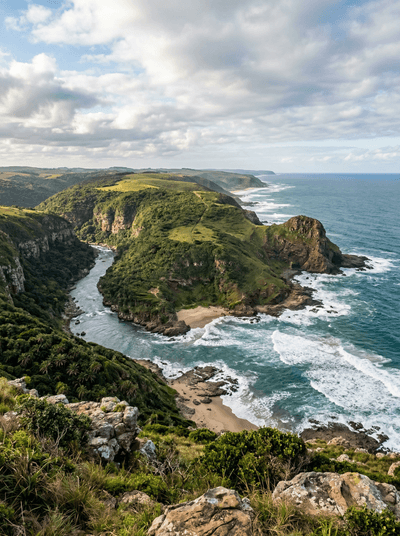
Mkambati Nature Reserve
South Africa
Grassland rivers fall onto empty beaches along an undeveloped Indian Ocean shore.
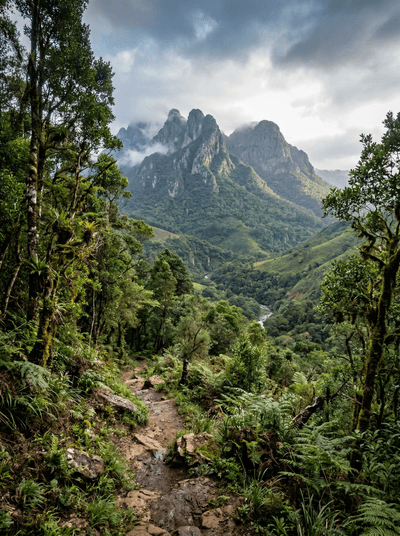
Hogsback
South Africa
Mist gathers in indigenous forest above waterfalls, gardens and a small mountain village.
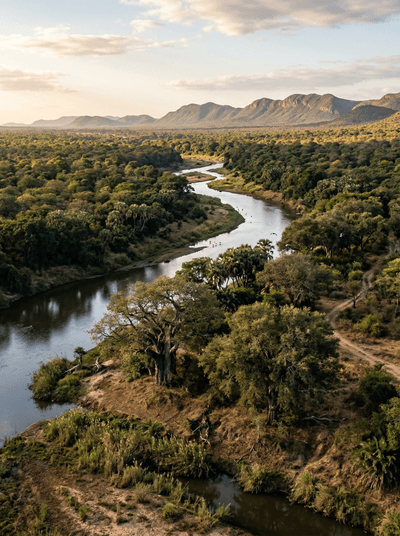
Pafuri (Makuleke Concession)
South Africa
Baobabs and fever trees stand on northern Kruger land restored to the Makuleke community.