
Argentina
Parque Nacional Perito Moreno
Argentina's emptiest national park — turquoise lakes, open steppe and trails measured in days.
This park shares only a name with the famous glacier — it is a different place entirely, hundreds of kilometres northwest, unpaved, unserviced, and among the least-visited parks in Patagonia. A chain of glacial lakes threads sub-Antarctic lenga and ñire forest between open steppe, and visitation stays so low the wildlife has never learned to be cautious: guanacos hold their ground, condors work the ridgelines, and pumas move through as if the place belongs to them — because it does.
Established in 1937 among Argentina's first parks, Perito Moreno covers some 115,000 hectares over the ecological seam where Patagonian steppe meets Andean forest — a transition with few equals on the continent. Lago Belgrano anchors the lake chain in improbable turquoise, ridgeline trails above it open several lakes to a single view, and flamingos work the park's salt lagoons in season. A hundred-plus kilometres of trail offer real depth, on the park's strict terms: reserve the permitted campsite or simple refuge, register the route, arrive fully self-sufficient, and choose conservatively — remoteness converts small errors into serious ones. Beyond the entrance there are no services at all; lakes deeper in are reached on foot or horseback only.
Solo
The park sought next by travellers who have finished the rest of Patagonia — no crowds, no branded experience, nothing mediating between you and the landscape. The logistics are genuine: registration, self-sufficiency, a complete plan left behind, and possibly a puma deciding whether to be seen.
- Among the least-visited parks in Patagonia, entered by unpaved road only.
- Over a hundred kilometres of trail demand multi-day self-sufficiency past the entrance.
- Deeper lakes are reached on foot or horseback once inside the park.
- Flamingos breed at the park's salt lagoons, pink against the steppe in season.
Self-catered camp cooking — dried meats, pasta and mate in the silence of empty steppe.
Cordero and empanadas at a remote estancia on the approach from Bajo Caracoles.
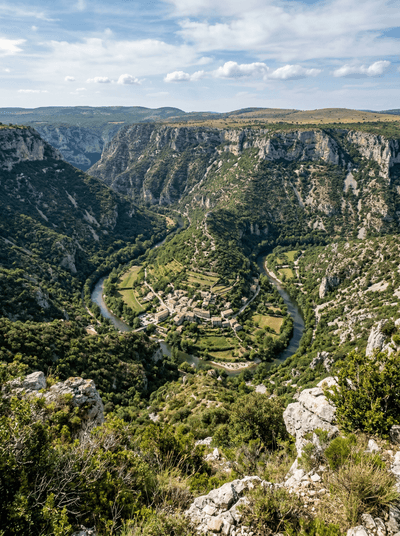
Cirque de Navacelles
France
A natural amphitheatre where a river abandoned its own meander, leaving a hamlet at the bottom.
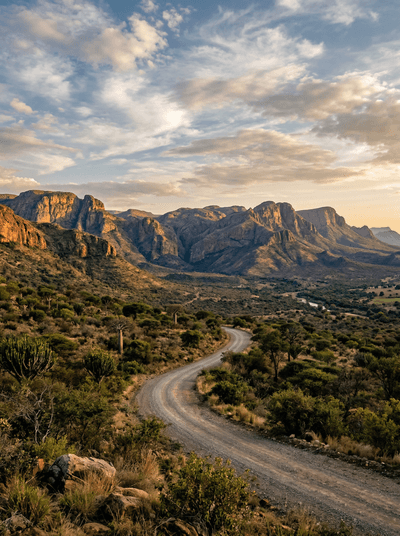
Soutpansberg
South Africa
Mist forest and baobab country meet along a mountain named for salt.
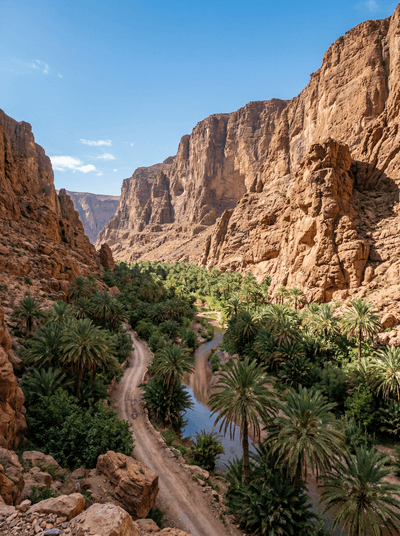
Aït Mansour Gorge
Morocco
The road falls out of pink granite into a red gorge roofed with date palms.
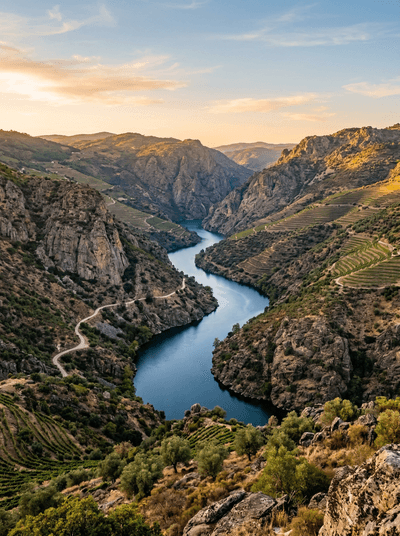
Douro Internacional
Portugal
A 200-metre canyon slicing the border, its cliff air ruled by griffon vultures.
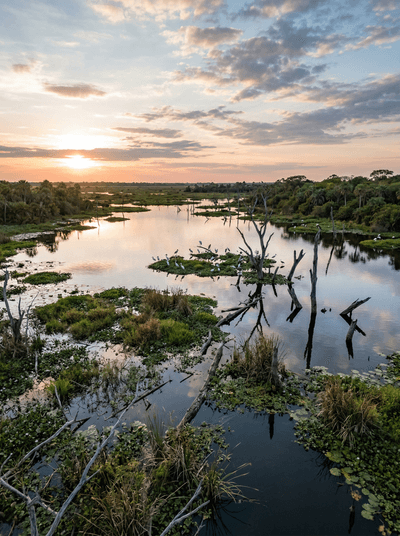
Bañado La Estrella
Argentina
Dead trees stand in still floodwater — Argentina's forgotten Chaco wetland, drowned and reborn yearly.
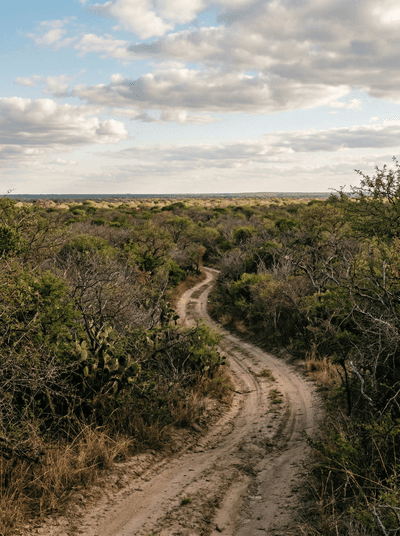
El Impenetrable
Argentina
Thorn forest so dense it stopped colonial armies, sheltering jaguars in the wild Chaco.
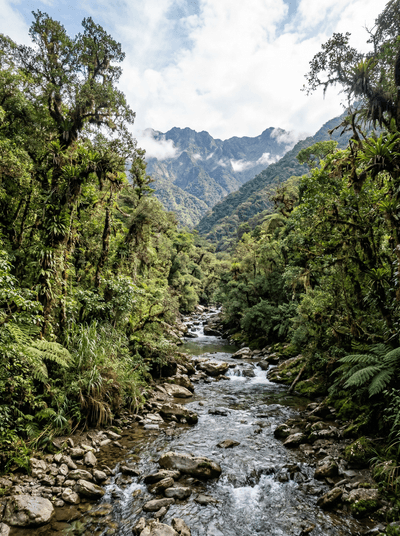
Parque Nacional El Rey
Argentina
A cloud forest fills a natural amphitheatre where bird species outnumber daily visitors.
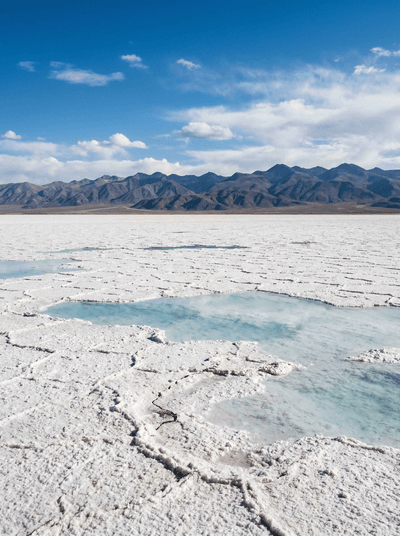
Salinas Grandes
Argentina
A salt flat so white it dissolves the horizon, cracked into hexagonal tiles.