Peru
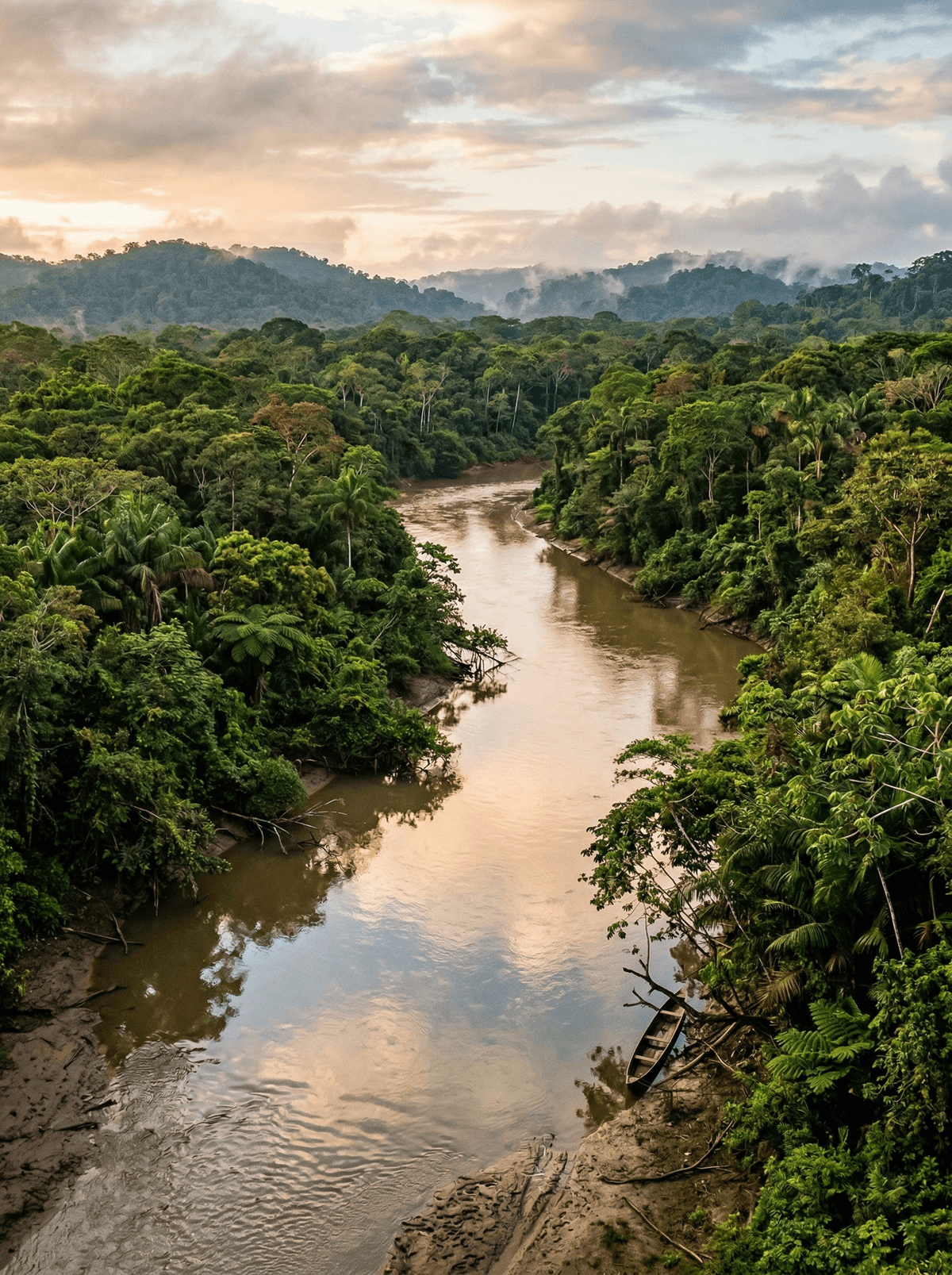
Tambopata
Macaw clay licks where whole flocks descend at dawn to eat the riverbank.
The macaws arrive at dawn — scarlet, blue-headed, red-and-green — dropping from the canopy to a clay cliff on the riverbank, clinging to the exposed soil and eating it. The noise is overwhelming, the colour absurd; then they lift together and the silence returns. On the mornings the flock decides, there is nothing else like it in the Amazon.
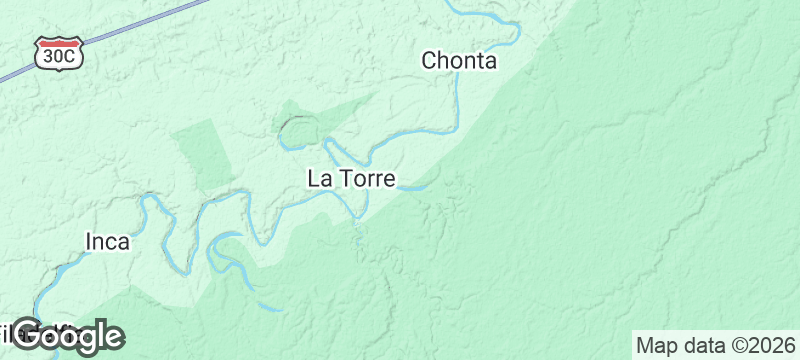
Tambopata National Reserve protects 274,690 hectares of lowland rainforest around its namesake river in Madre de Dios, and it is the Amazon made reachable without being tamed: entry runs under the reserve's authorisation system, river boats the only roads. The clay licks are the marquee event — mineral cliffs where parrots and macaws gather by the score when weather and season align, never on command — and the supporting cast runs deep: giant river otters hunting the oxbow lakes in family groups, caiman eyes at night, butterflies in extravagant four-figure species counts, camps and lodges sunk deep enough that the forest presses against every wall. The dry months are the classic window; the wildness is year-round.
Couple
Genuine wilderness met at a humane pace — dawn on the river, dusk on an oxbow, the forest arranging the drama.
Family
The Amazon for families wanting immersion without extreme roughing it — camp rhythms built around safety, otters and macaws doing the enchanting.
Friends
Clay lick at dawn, oxbow canoe at midday, caiman torchlight after dark — shared sightings and remote river camps make the stories.
- Macaws and parrots gather at riverbank clay licks — on the mornings they choose.
- Giant river otters hunt the reserve's oxbow lakes in family groups.
- The reserve's authorisation system is the sole way in — boats for roads, guides for maps.
- Butterfly diversity here runs to four-figure species counts.
Grilled paiche, the Amazon's giant, cooked over river-camp coals.
Cocona juice — tart, tomato-like, jungle-cold — served as if it were water.
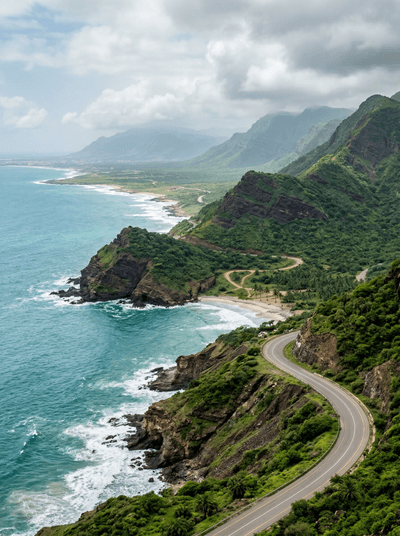
Salalah
Oman
Frankincense smoke, coconut palms and monsoon-softened hills meet beside the Arabian Sea.
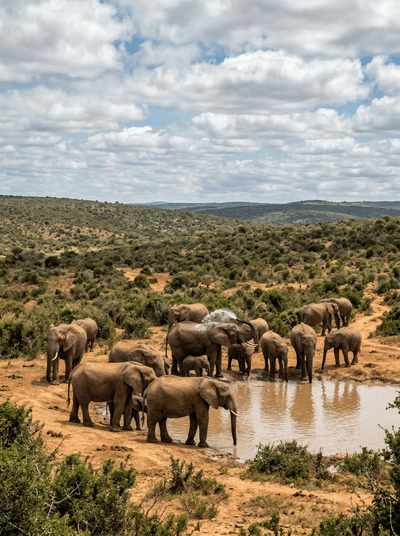
Addo Elephant National Park
South Africa
Elephants gather at a dust-ringed waterhole close enough to hear each breath.
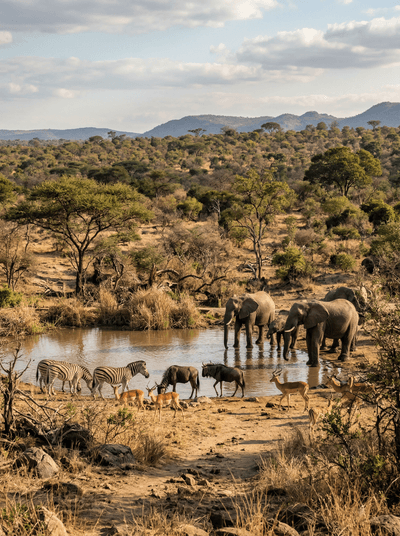
Kruger National Park
South Africa
A leopard crosses the road at dusk while the bush changes shift around the car.
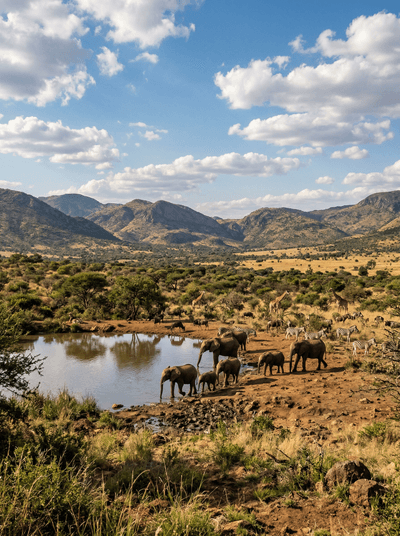
Pilanesberg National Park
South Africa
Elephants and lions move through the eroded rings of an ancient volcano.
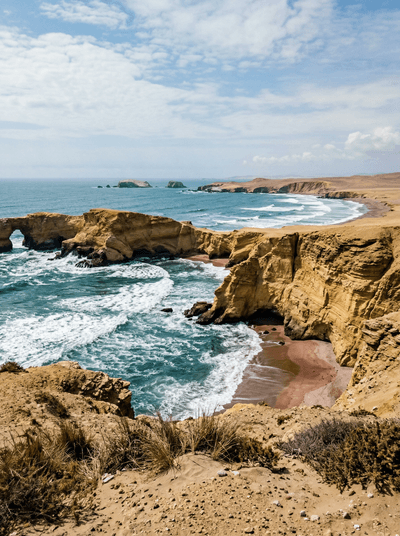
Paracas
Peru
Red sand meets turquoise Pacific where sea-lion colonies roar off the desert's edge.
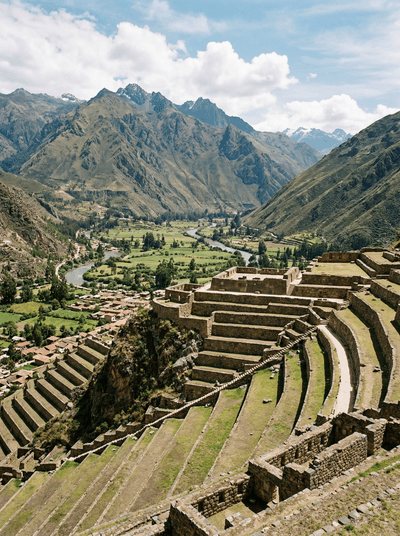
Sacred Valley (Ollantaytambo)
Peru
Inca water still flows through stone channels beneath the windows of a living town.
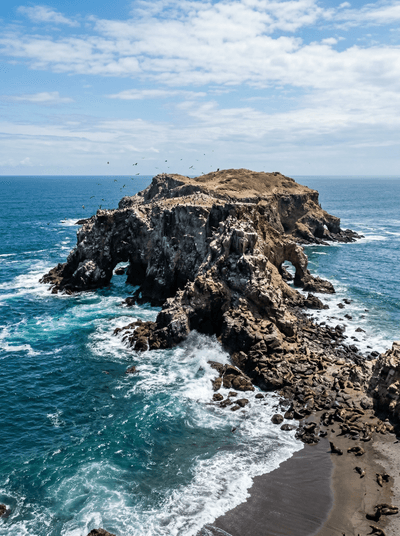
Isla Foca
Peru
Blue-footed boobies and sea lions on a rocky island off a working fishing cove.
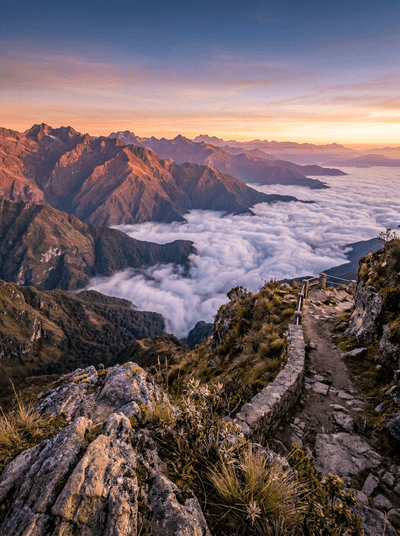
Tres Cruces de Oro
Peru
A sunrise that can split and shimmer into colours where the Andes fall to the Amazon.