
Peru
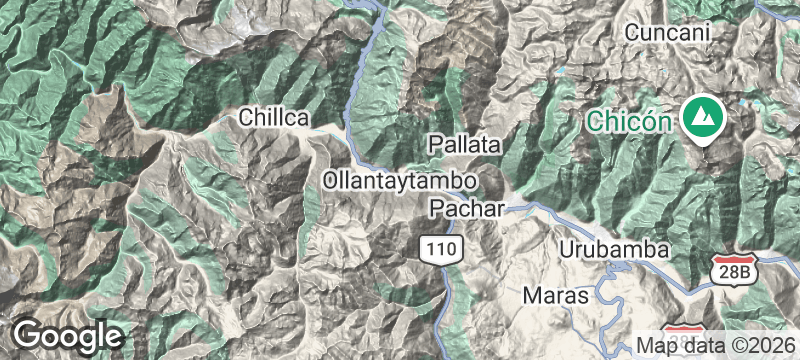
Sacred Valley (Ollantaytambo)
Inca water still flows through stone channels beneath the windows of a living town.
Water built this town. Glacial meltwater still runs through fifteenth-century stone channels beside the lanes of Ollantaytambo, past houses inhabited continuously since the Inca laid the grid. The sound of it — cold water on ancient stone — follows you everywhere. Above the rooftops, monumental terraces climb toward the fortress where the Inca beat the Spanish in open battle.
Ollantaytambo is the Sacred Valley's rare thing: an Inca-planned town still doing its job, street grid and water channels in daily use beneath an archaeological park of ceremonial terraces. The fortress above earned its place in history in 1536, when Manco Inca's forces threw back a Spanish assault — one of the conquest's few clear Inca victories. The valley floor sits at 2,792 metres, kinder than Cusco's altitude, which is one reason lodges and farms thrive here, serving Andean grains grown on terraces you can see from the table. Weaving families work cochineal reds and indigo blues into patterns generations deep. Stay past the day-trip hours: the town belongs to itself again by dusk, and Moray, Pisac and the Maras salt pans all wait within reach.
Couple
The valley is where the Andes slow down — terrace-view lodges, candlelit dinners beside Inca stonework, mornings that start with mountains and no agenda.
Family
Gentler altitude for younger lungs, ruins rising straight from the plaza, and weavers showing how crushed cochineal turns wool crimson.
Friends
A working base for the whole valley — one substantial site and one village-scale pleasure per day, with chicha morada from clay jugs between.
- Fifteenth-century channels still carry meltwater beneath the town's living streets.
- Manco Inca's forces defeated a Spanish assault at the fortress here in 1536.
- The terraces climb straight from the plaza — town to summit in one short walk.
- Weaving families keep dye and pattern traditions generations deep.
Giant-kernel choclo grilled at valley markets, eaten with fresh cheese.
Chicha morada cold from clay jugs — purple-corn sweetness against altitude dryness.
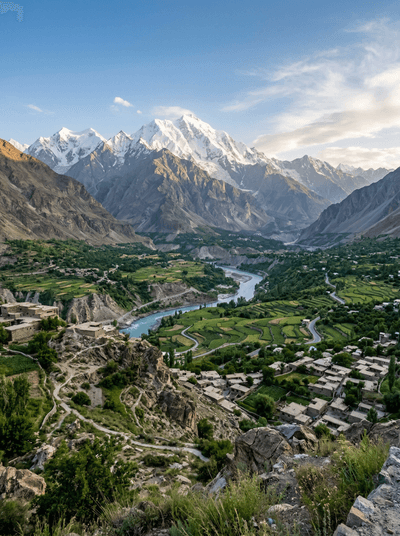
Hunza Valley
Pakistan
Apricot orchards cascade down centuries-old terraces beneath the ice pyramids of Rakaposhi and Ultar.
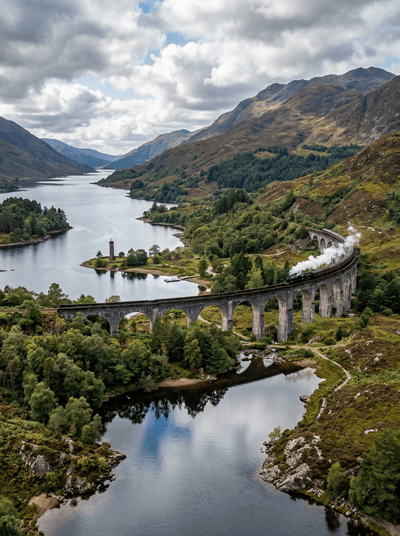
Glenfinnan
Scotland
A railway viaduct arcs across the glen where Bonnie Prince Charlie raised his standard.
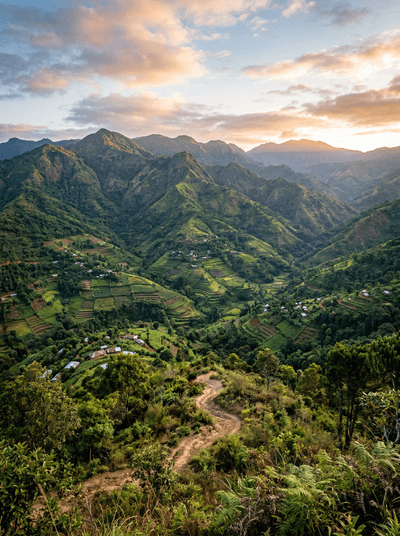
Usambara Mountains
Tanzania
Cloud forest called the Galápagos of Africa gave the world the African violet.
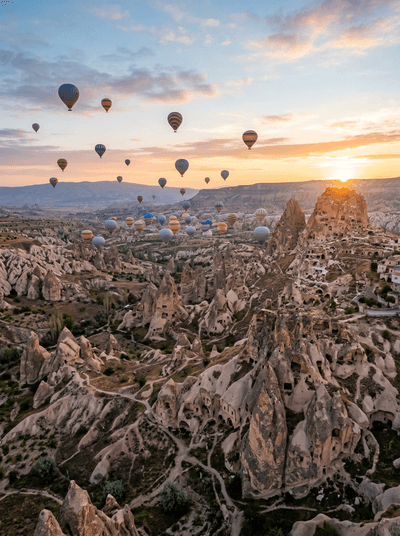
Cappadocia
Turkey
More than a hundred balloons rise at dawn through a forest of stone pillars.
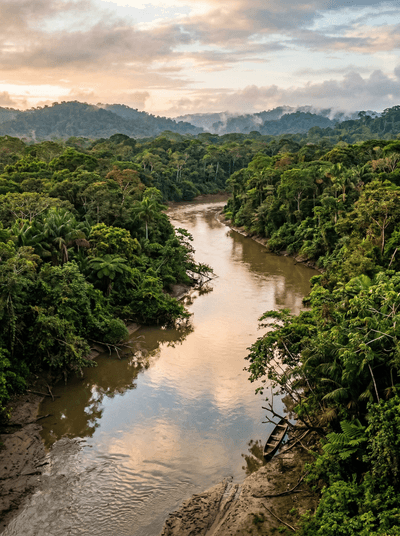
Tambopata
Peru
Macaw clay licks where whole flocks descend at dawn to eat the riverbank.
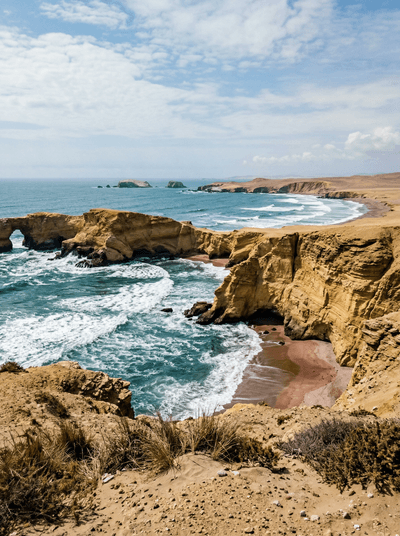
Paracas
Peru
Red sand meets turquoise Pacific where sea-lion colonies roar off the desert's edge.
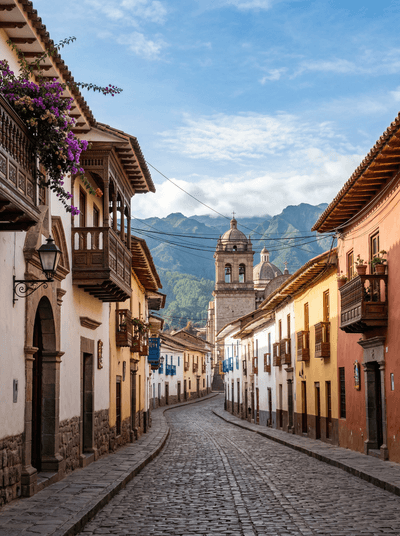
Ayacucho
Peru
Thirty-three colonial churches in a city whose Holy Week is Peru's most devoted.
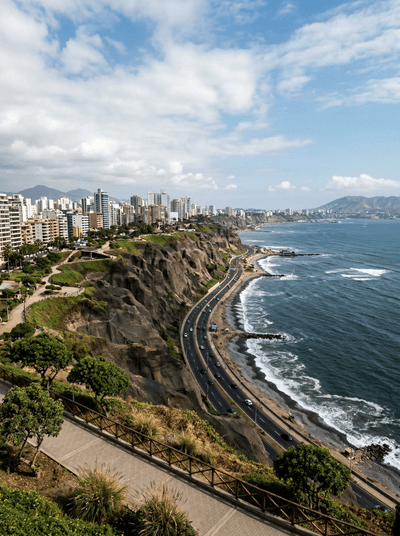
Lima
Peru
Pacific spray on clifftop terraces where ceviche began and the food never stopped evolving.