Indonesia
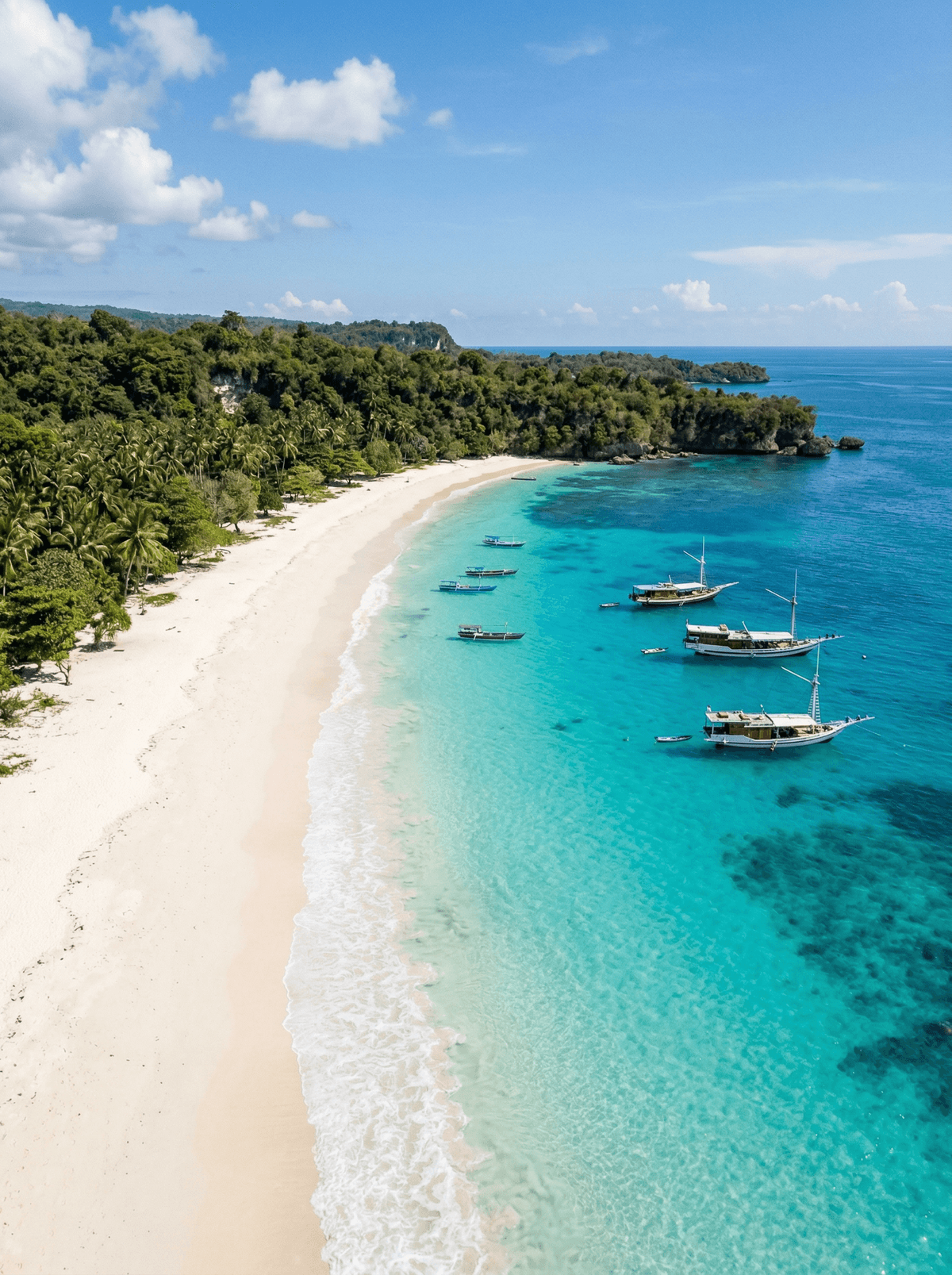
Tanjung Bira
Wooden schooners of a hundred tonnes take shape on the sand without a single blueprint.
On the beach at Tanah Beru, a hull rises rib by rib like a whale's skeleton in ironwood. There are no drawings anywhere on the sand; the shape lives in the master builder's memory, passed down the way it arrived, by watching and doing.
Tanjung Bira, at South Sulawesi's southeastern tip, is the home of phinisi shipbuilding, recognised by UNESCO as Intangible Cultural Heritage. In the yards of Tanah Beru and Ara, master builders raise ocean-going vessels of up to 300 tonnes from memory and hand tools, boats still commissioned for cargo and for the dive charters of eastern Indonesia. Yard visits happen with permission and a greeting, construction stages vary week to week, and Bira's white-sand coast and island boats round out an overnight stay at the end of the long road from Makassar.

Couple
Divide the stay between a respectful yard visit and the white-sand coast.
Friends
Shared transport from Makassar and an island boat day suit a group's economics.
- UNESCO lists South Sulawesi's phinisi boatbuilding as Intangible Cultural Heritage.
- Hulls up to 300 tonnes are built from memory, no written plans existing.
- Working yards at Tanah Beru and Ara welcome visitors who ask first.
- Bira's beaches and island boats make the peninsula more than a craft stop.
Coto Makassar, beef and offal in thick spiced broth, is the substantial meal at either end of the drive.
On the peninsula the stays cook simply from the day's supply.
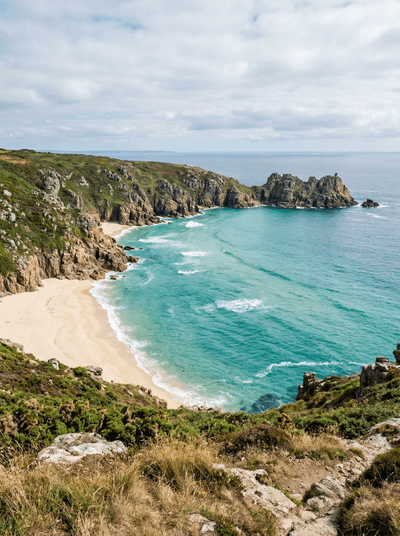
Porthcurno
England
A cliff-top amphitheatre where Shakespeare plays as the Atlantic crashes onto turquoise sand.
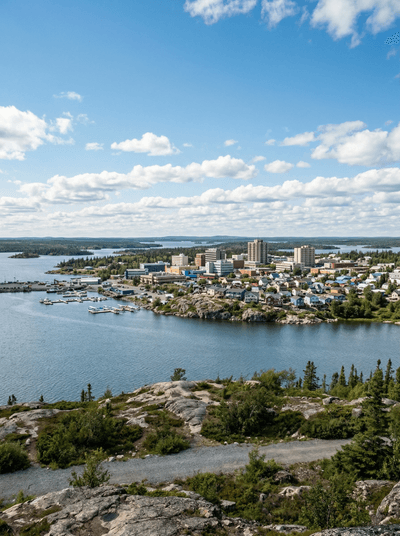
Yellowknife
Canada
Houseboats, aurora and a fish shack of national reputation share a Shield-rock capital.
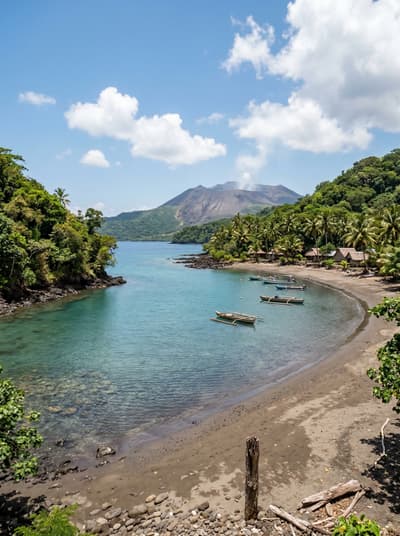
Port Resolution
Vanuatu
Beach hot springs at Captain Cook's 1774 anchorage, where Yasur paints the night sky orange.
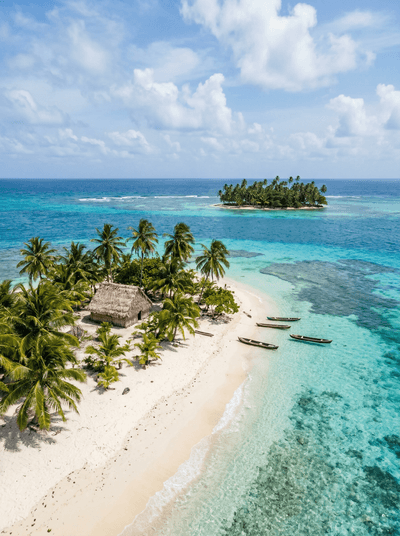
Guna Yala Islands
Panama
Palm-tufted coral islands where no outsider may own a single grain of sand.
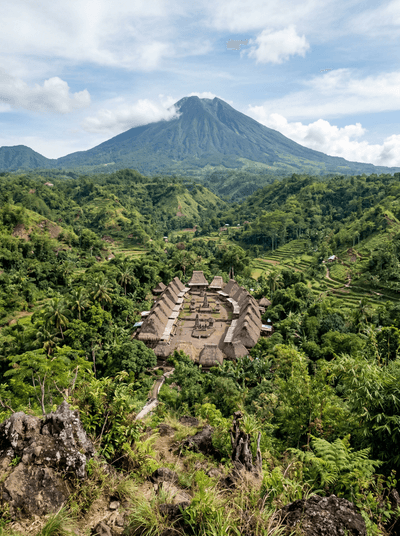
Bajawa
Indonesia
Hot springs steam in the forest below Inerie while village shrines keep the ancestors close.
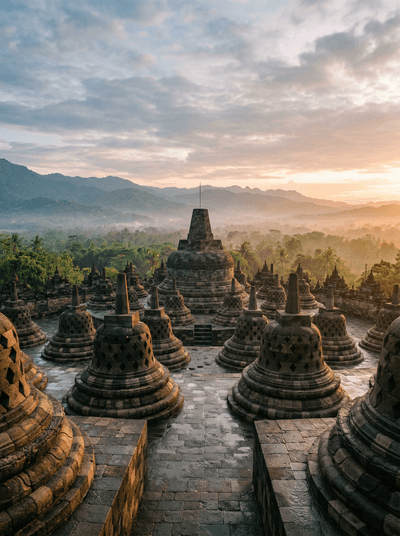
Yogyakarta
Indonesia
A sultan still governs here, and the city's arts still work for their living.
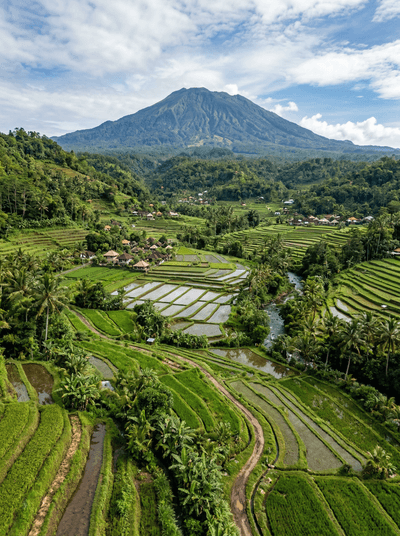
Sidemen Valley
Indonesia
Rice terraces climb toward Agung while looms click in the weaving houses below.
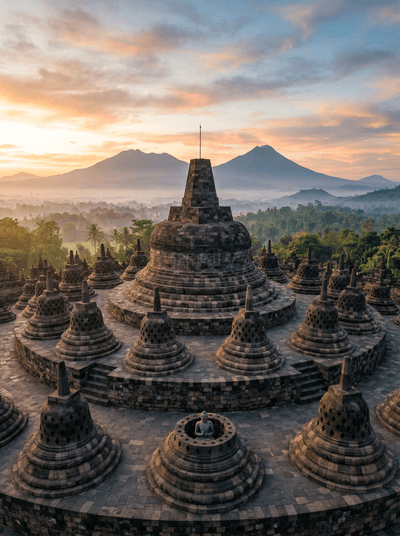
Borobudur
Indonesia
Buried under ash and jungle for centuries, the stone mandala came back.