Panama
Guna Yala Islands
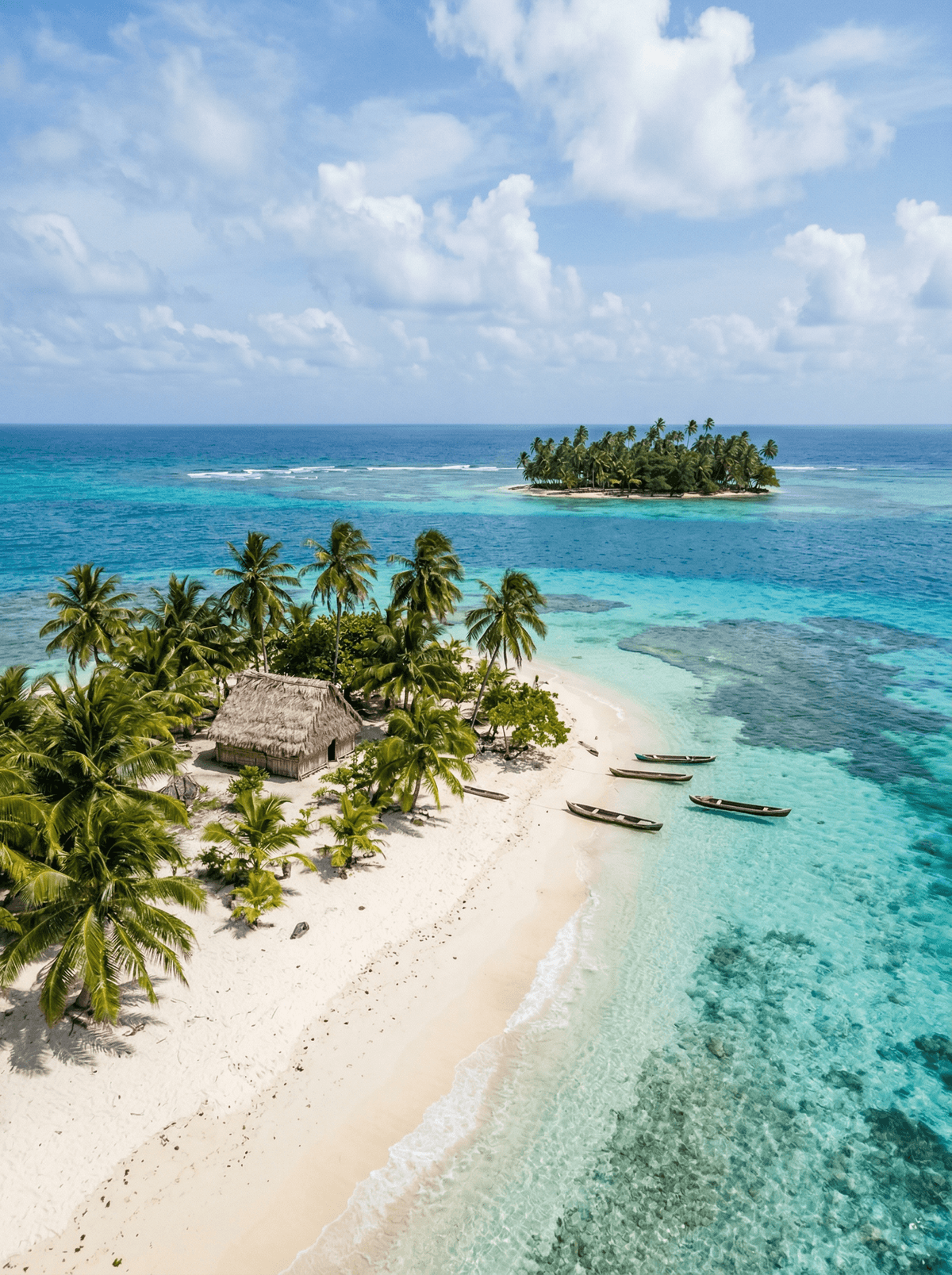
Palm-tufted coral islands where no outsider may own a single grain of sand.
The sailing boat anchors in glass-clear water, the hull's shadow sharp on the sand below. A Guna woman paddles alongside with molas, layered cloth panels stitched in geometric reds and oranges, spread out for sale. Every island in sight belongs to her nation, and the law forbids selling a single one to outsiders.
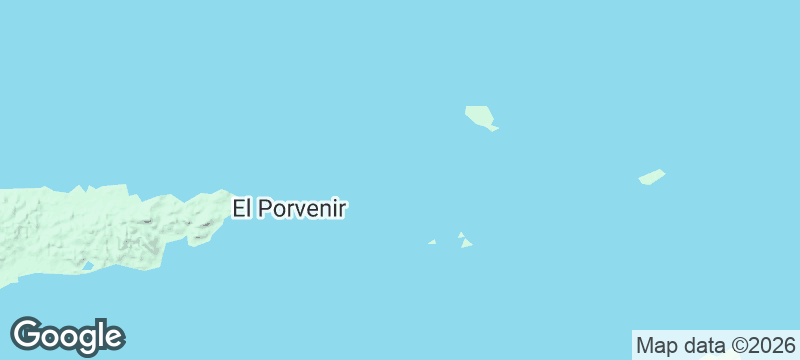
In 1925 the Guna rose in revolution under Nele Kantule and Simral Colman and won something then unthinkable: legal and administrative autonomy over their own territory. A century later that victory shapes every visit, because land here can never be sold to foreigners; the Guna own all of the islands, and the families who run the rustic cabins are the same people whose chiefs set the rules. More than 365 islands and cays scatter across the archipelago, many of them uninhabited rings of palm and white sand, and coconut harvesting remains one of the communities' main incomes. Nights are spent in hammocks under the palms, in simple over-water cabins, or aboard sailing boats riding the northeast trade winds between anchorages.
Solo
Shared sailing departures and Guna-run island stays make this a naturally social journey, with days set by wind and tide rather than an itinerary.
Couple
Sleep aboard an anchored sailing boat or in a palm-thatch cabin metres from the tide line, and let the archipelago's silence do the work of luxury.
Friends
Charter a boat between uninhabited cays for a few days of snorkelling, communal cooking and beaches where yours are the only footprints.
- Laws prohibit land sales to foreigners, so every island, cabin and boat operation in Guna Yala stays Guna-owned.
- The Guna won legal autonomy over their territory in the revolution of 1925 and have governed it ever since.
- More than 365 islands and cays scatter across the archipelago, many small and uninhabited.
- Stays range from hammocks under the palms to over-water cabins and nights aboard sailing boats.
Ask your hosts for tule masi, the Guna soup of fish and plantain, or a red snapper caught that day served with coconut rice.
Agua de pipa comes cut straight from the palm, opened with a machete moments before it reaches your hand.
Tarrafal
Cape Verde
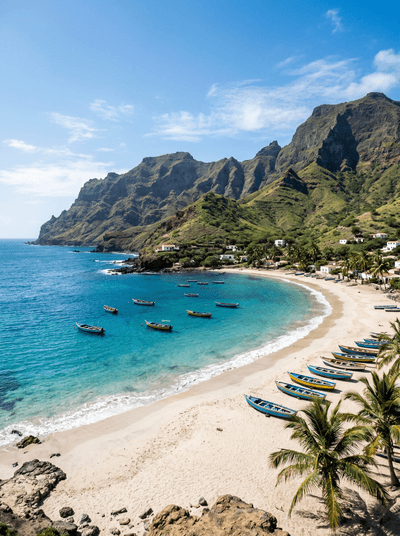
A palm-shaded swimming cove shares its town with the prison called the Camp of Slow Death.
Yap
Micronesia
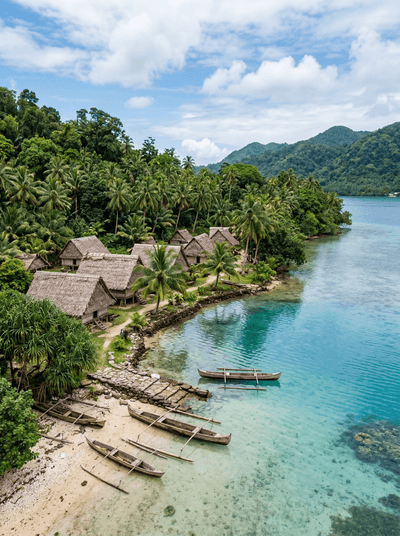
Stone money too heavy to move, so ownership transfers by word alone on this jungle island.
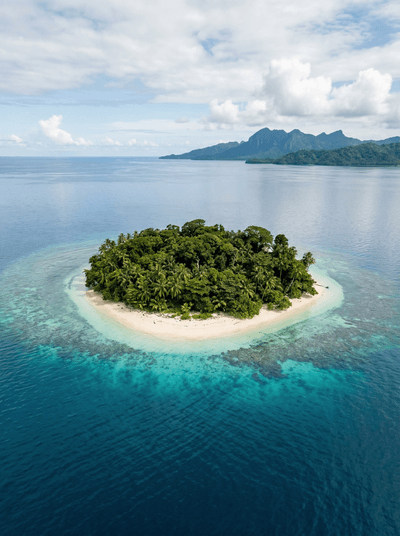
Kennedy Island
Solomon Islands
A coral islet where a future president waited to be found, and two scouts found him.
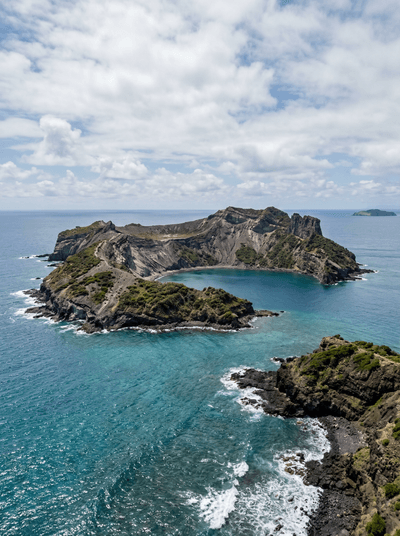
Hunga Island
Tonga
One cliff-walled slot leads inside, where a king once sheltered his people from slave raiders.
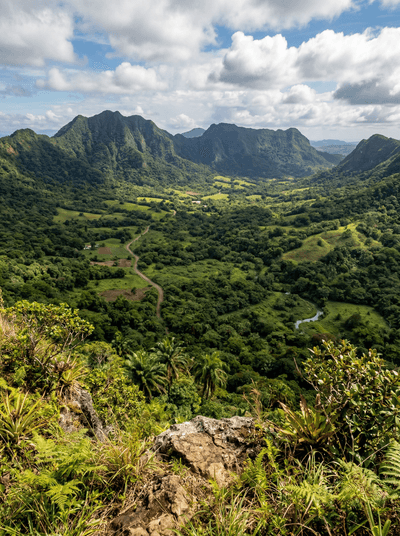
El Valle de Antón
Panama
A whole town spreads across the floor of an extinct volcano's crater.
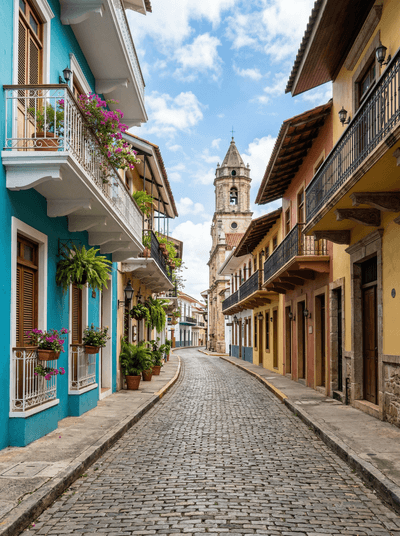
Casco Viejo
Panama
Crumbling colonial balconies where jazz drifts over a skyline of glass towers.
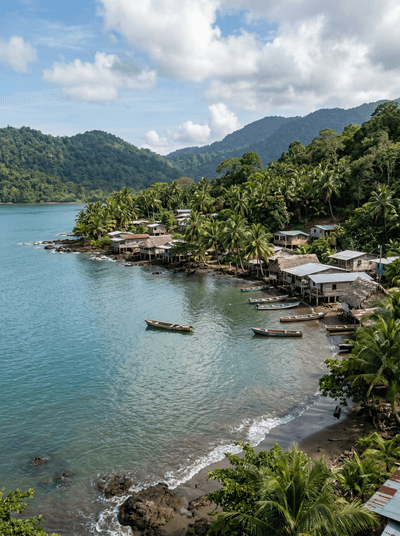
Nombre de Dios
Panama
Where Peru's silver met the Atlantic, the jungle now leans over a village that endured.
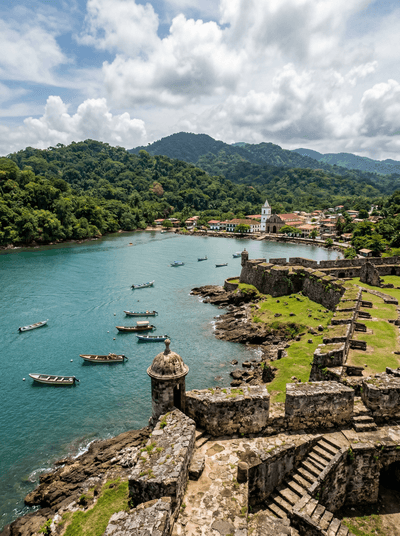
Portobelo
Panama
Rusting cannons guard the harbour where Spanish galleons loaded Potosí's silver for Spain.