Saudi Arabia
Tayma
An oasis inhabited for six thousand years whose ancient stele now stands in the Louvre.
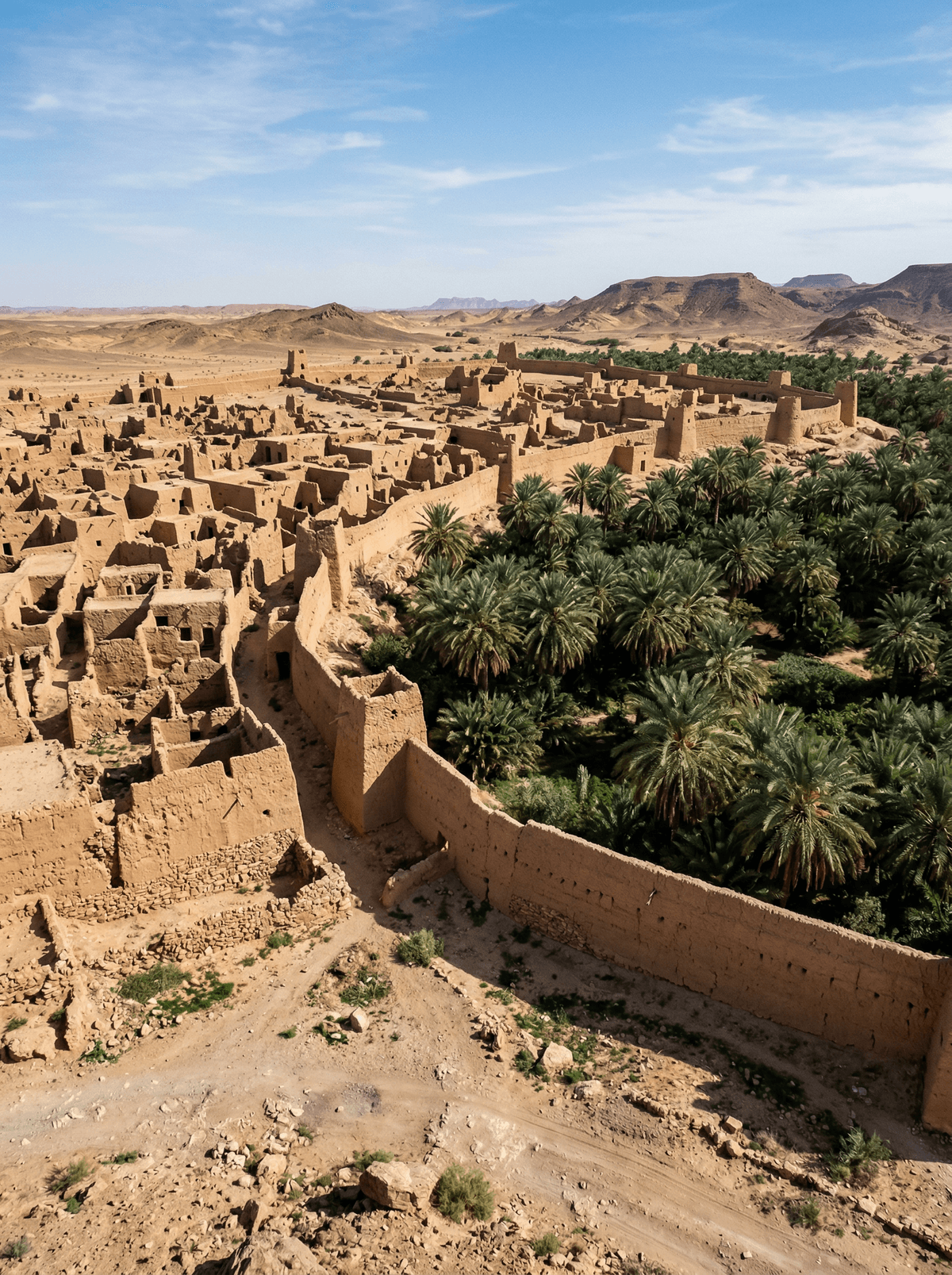
The walls of ancient Tayma still trace the outline of a city that was trading with Babylon when most of Europe was forest. Bir Haddaj — the great well — is over 12 metres across, cut to water the caravans that passed for millennia, and it still anchors the living town around it. The oasis feels patient, as though it has been waiting out empires.
Tayma has been an inhabited oasis for at least six thousand years — few places on the Peninsula go deeper. Assyrian records name it as early as the eighth century BCE, and in the sixth century BCE the Babylonian king Nabonidus abandoned his capital to live here for a decade — a royal residence in the middle of Arabia that historians still argue about. The Tayma Stele, an Aramaic-inscribed stone found here in 1883, now stands in the Louvre. Bir Haddaj, the great caravan well, and the old town's mud-brick alleys carry that long history at street level.
Solo
Tayma rewards the archaeologically curious solo traveller — the kind of person who reads the Louvre plaque and wants to see the original setting.
- The Tayma Stele — an Aramaic-inscribed stone found here in 1883 — now stands in the Louvre in Paris.
- Babylon's last king, Nabonidus, left his empire to live in this oasis for a decade.
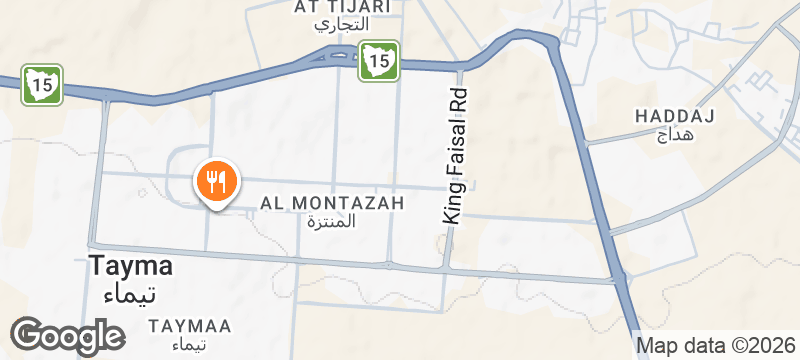
- Bir Haddaj, the vast caravan well over 12 metres across, still anchors the centre of town.
- People have lived in this oasis for at least six thousand years without a break.
Tayma dates — prized across the peninsula — eaten fresh from the palm or stuffed with almonds.
Thick lamb broth with turmeric and dried black limes, sipped from clay bowls after a desert drive.
Iqaluit
Canada
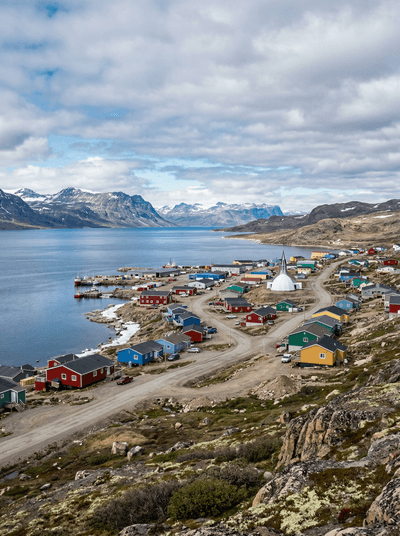
Nunavut's young capital rides tundra ridges above a bay that empties twice a day.
Lipcani
Moldova
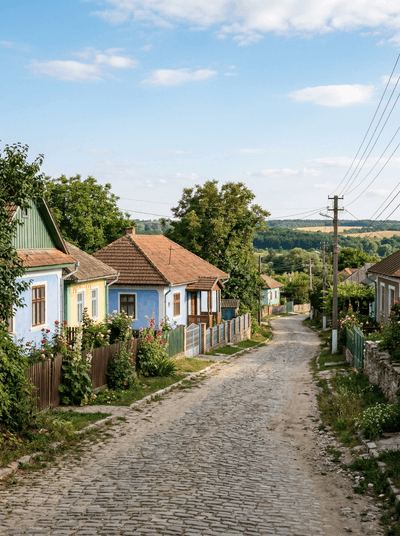
A town four-fifths Jewish before 1941; its record survives in 3,527 recorded graves by the Prut.
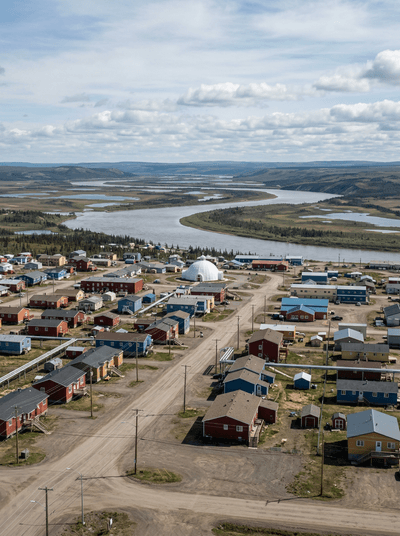
Inuvik
Canada
A Mackenzie Delta town grows gardens under midnight sun inside an old hockey arena.
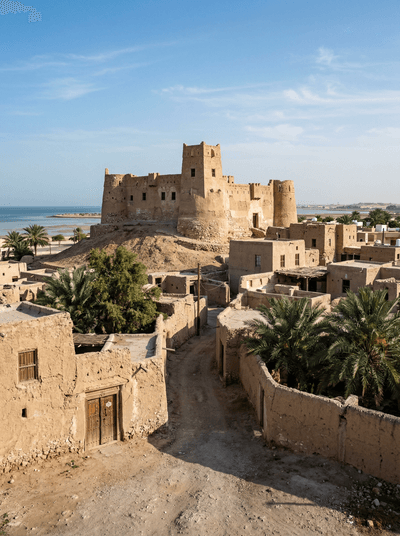
Tarout Island
Saudi Arabia
A Dilmun temple buried beneath a Portuguese-era fort on one of Arabia's oldest inhabited islands.
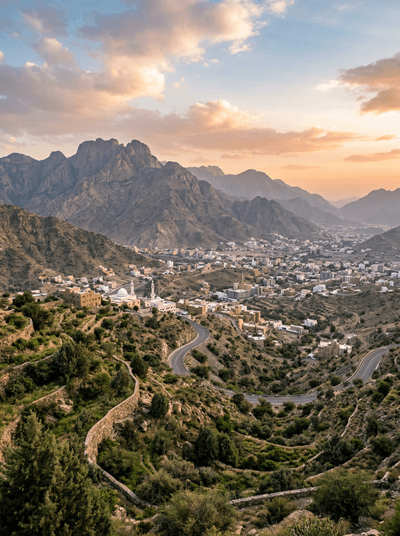
Ta'if
Saudi Arabia
Damask roses carpeting mountain terraces where Saudi royals once escaped the lowland heat.
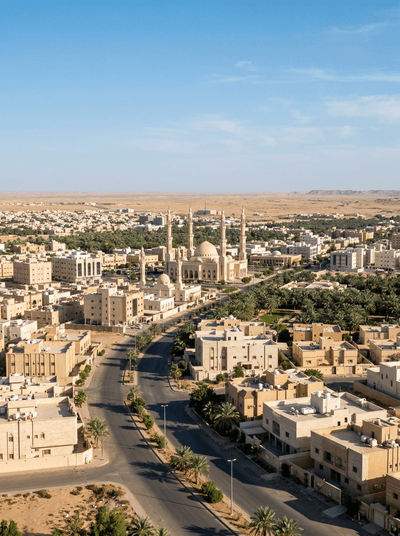
Buraidah
Saudi Arabia
Mountains of amber dates piled in a hangar-sized hall at one of Earth's biggest date markets.