Moldova
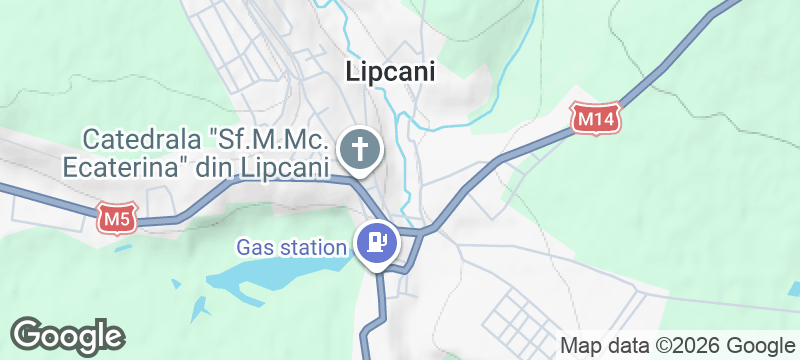
Lipcani
A town four-fifths Jewish before 1941; its record survives in 3,527 recorded graves by the Prut.
Stone rows run back from a gate carved with Jewish symbols, Hebrew and Yiddish lettering under lichen and traces of old paint. A few streets away the Prut slides past Moldova's northernmost town. What was once the majority of Lipcani survives here, name by name.
Before the Second World War, Lipcani was a largely Jewish town: four in five residents by 1930, with about twenty synagogues, Jewish schools, a hospital, a home for the elderly and a public library named for the writer Yehuda Steinberg. German bombs fell on 22 June 1941, deportations began that July, and about 80 per cent of the community died in Transnistria. The cemetery is what remains to visit: around a hectare holding 3,527 documented burials, its oldest stones cut in the eighteenth century, carved with reliefs and portraits and lettered in Hebrew, Yiddish and Russian. Come as you would to any place of mourning, staying on the paths and leaving the stones as found.
Solo
Come alone and unhurried; read the stones you can, photograph respectfully from the paths, and let the border town's quiet do the speaking.
- By 1930 four in five of Lipcani's townspeople were Jewish, a community with schools, synagogues, a hospital and a library named for the writer Yehuda Steinberg.
- The Jewish cemetery preserves 3,527 documented burials, with photographs and transcriptions recorded for nearly every one.
- Stones datable from the eighteenth century carry carved reliefs, painted traces and portraits, inscribed in Hebrew, Yiddish and Russian.
- Around four in five of the community died after the July 1941 deportations; the cemetery holds the town's surviving record.
Lipcani feeds itself from bakeries and market stalls; buy bread and plăcinte and keep the day simple.
There is no destination meal here, and it would be the wrong note anyway; plan dinner for the road south.

Iqaluit
Canada
Nunavut's young capital rides tundra ridges above a bay that empties twice a day.
Tayma
Saudi Arabia
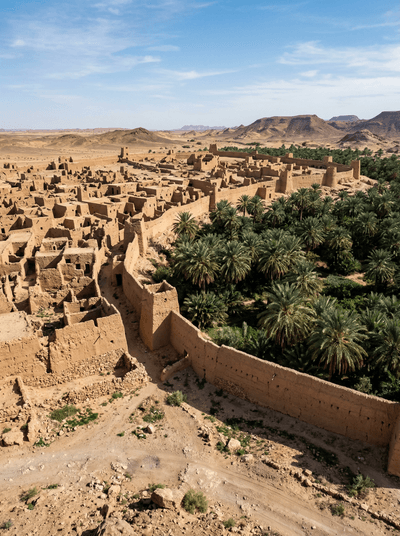
An oasis inhabited for six thousand years whose ancient stele now stands in the Louvre.
Tuna el-Gebel
Egypt
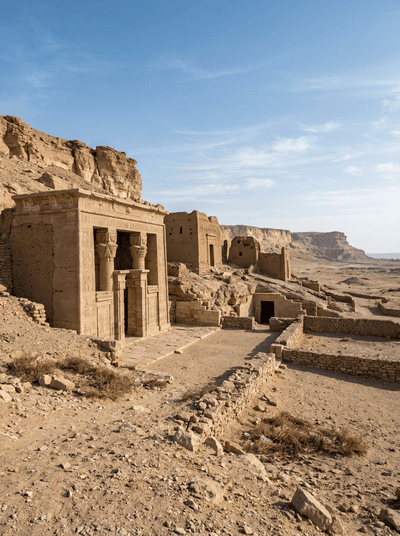
Catacombs stuffed with mummified ibises and baboons, sacred animals of a forgotten god.