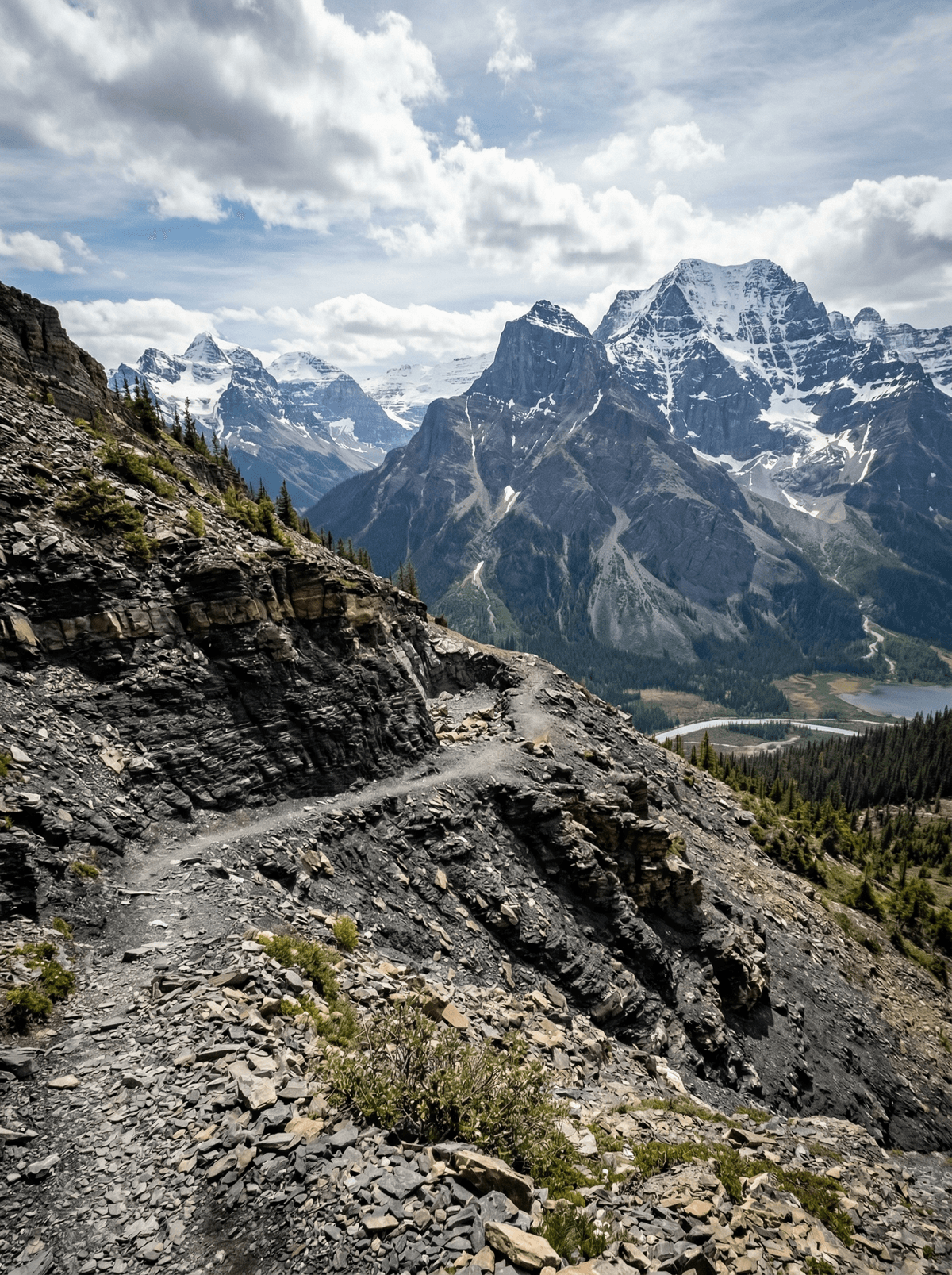
Canada
The Burgess Shale
Half-billion-year-old creatures lie pressed in mountain shale above a tiny railway town.
The guided climb gains a ridge where slabs split into pages. In the rock, soft-bodied animals from the dawn of complex life keep their outlines.
The Burgess Shale preserves Cambrian life with organs and appendages intact, evolution's founding photo album, reached by reservation-gated guided hikes rated genuinely difficult. Yoho's falls and lakes fill the valley below for the unbooked. Field's one bistro-lodge, born in a railway siding, feeds the science pilgrimage.
Solo
One reserved place on the Walcott hike is the entire plan.
Friends
A fit group turns the grade into the story.
Couple
Yoho's valley fills the unbooked partner's day below.
- The shale preserves Cambrian life with soft parts intact.
- Reservation-gated guided hikes earn the fossil beds honestly.
- Yoho's falls fill the valley for the unbooked.
Truffle Pigs in Field, born in a railway-siding general store, feeds the fossil pilgrimage.
Carry a full day's water and lunch on the Walcott grade.
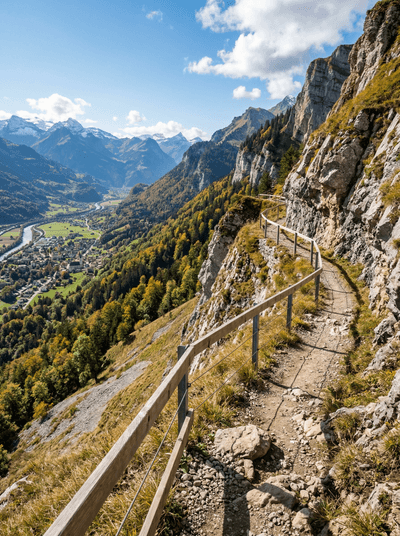
Liechtenstein Trail
Liechtenstein
Walk an entire country in five days, 75 kilometres from Balzers to Schaanwald.
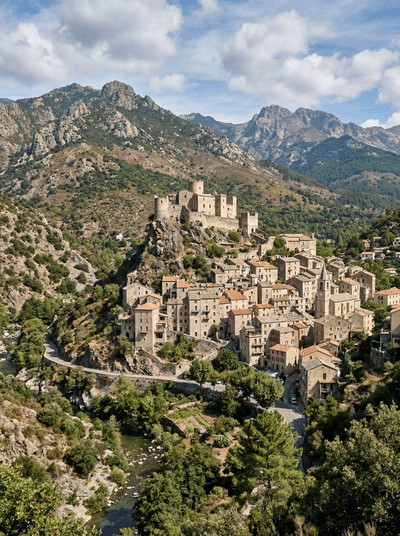
Corte
France
An eagle's-nest citadel at the heart of the mountains where independent Corsica had its capital.
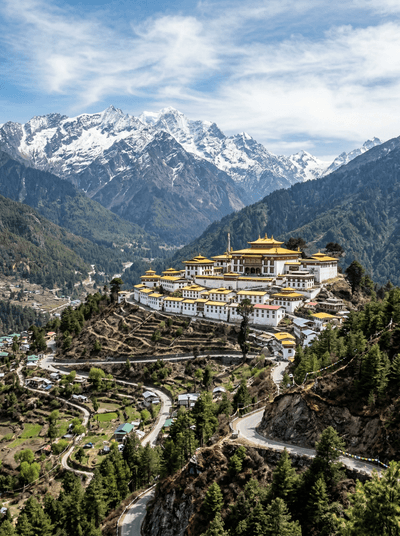
Tawang
India
India's largest monastery clinging to a Himalayan spur above cloud level, thick with butter-lamp smoke.
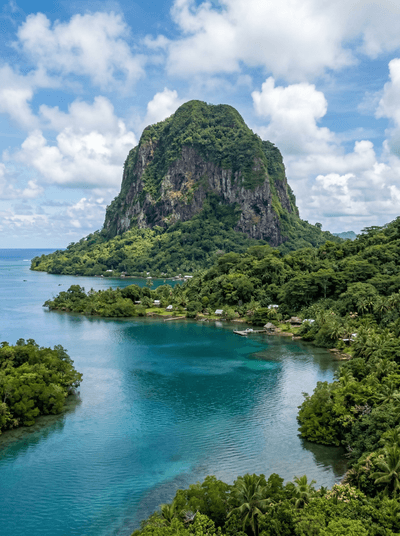
Sokehs Rock
Micronesia
A magician's stone plugged a geyser here, says legend; the climb is bare basalt and rope.
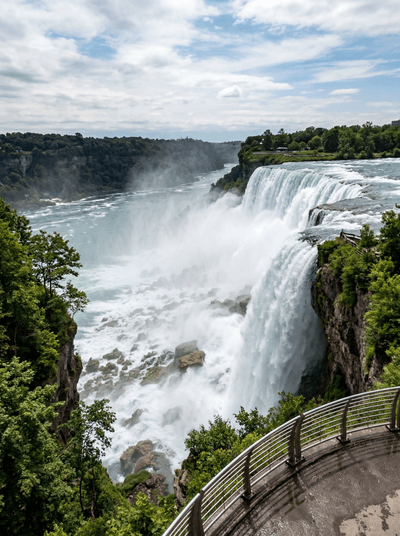
Niagara Falls
Canada
A river the size of a sea pours over the Horseshoe metres from the promenade rail.
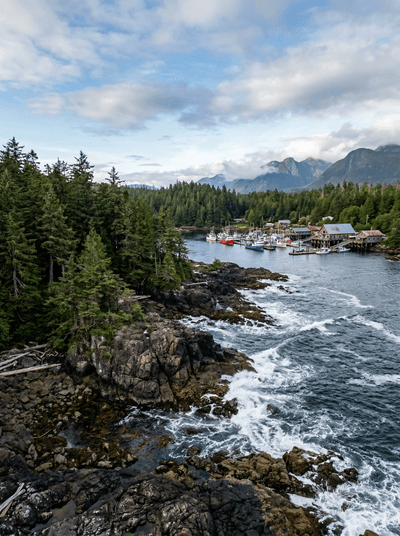
Ucluelet
Canada
Each season the town's aquarium empties itself back into the harbour.
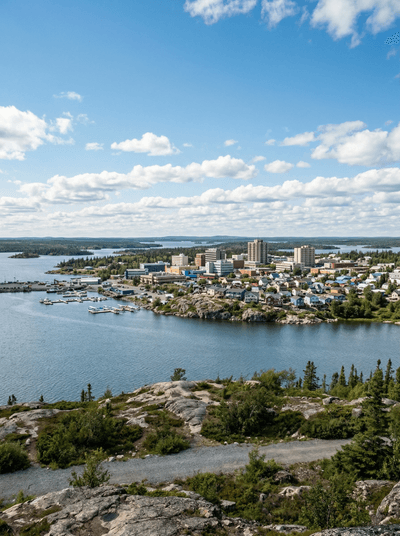
Yellowknife
Canada
Houseboats, aurora and a fish shack of national reputation share a Shield-rock capital.
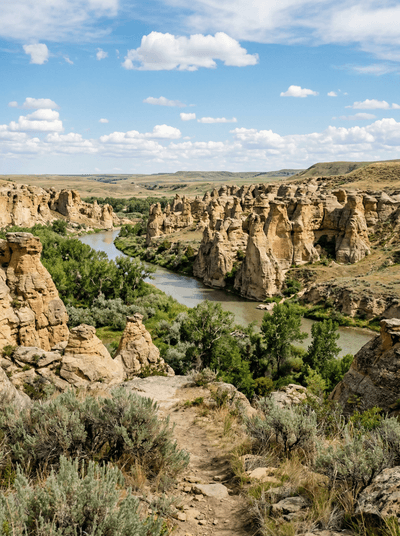
Writing-on-Stone Provincial Park
Canada
Hoodoos guard the Great Plains' largest concentration of rock art above the Milk River.