Morocco
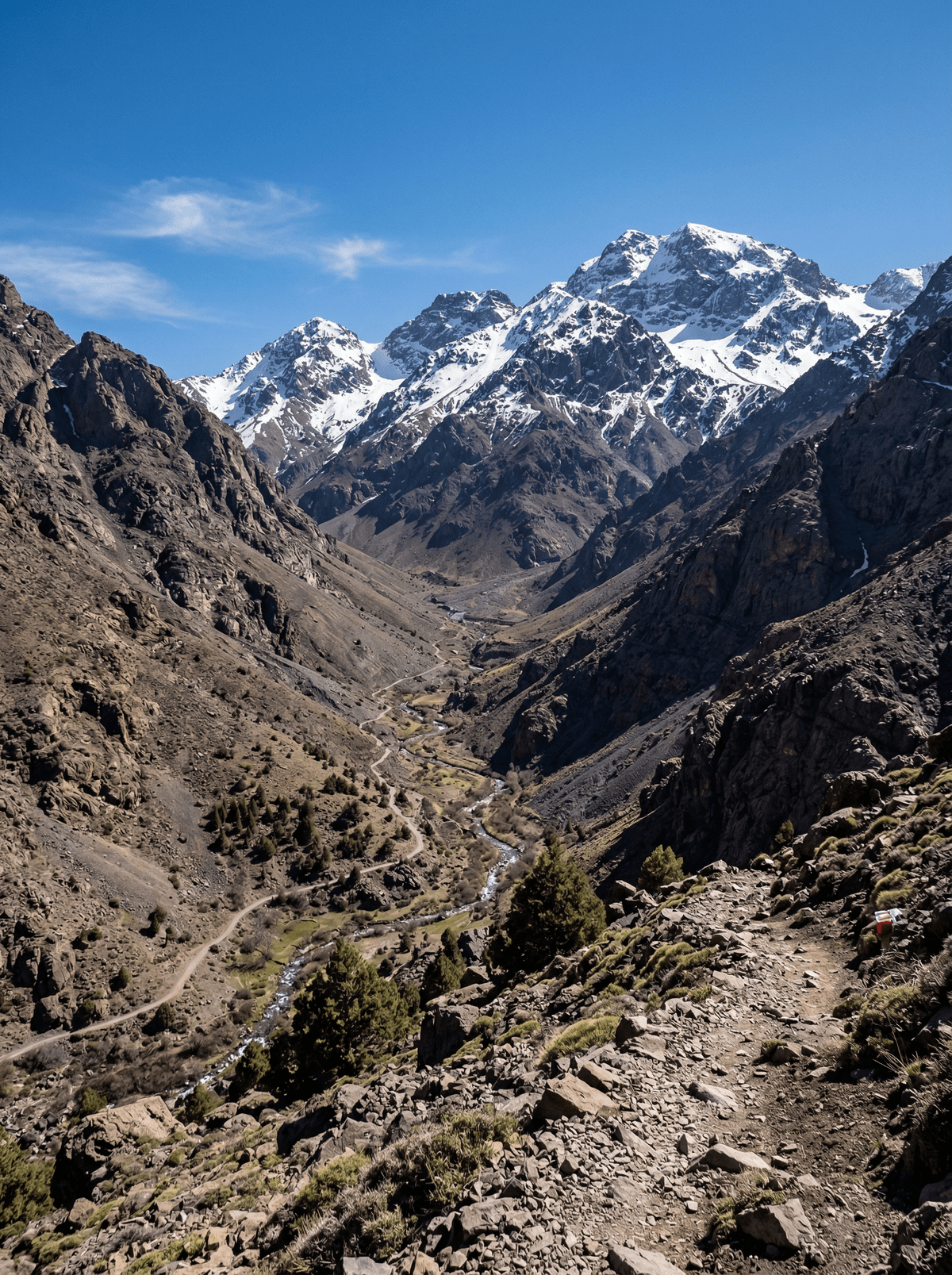
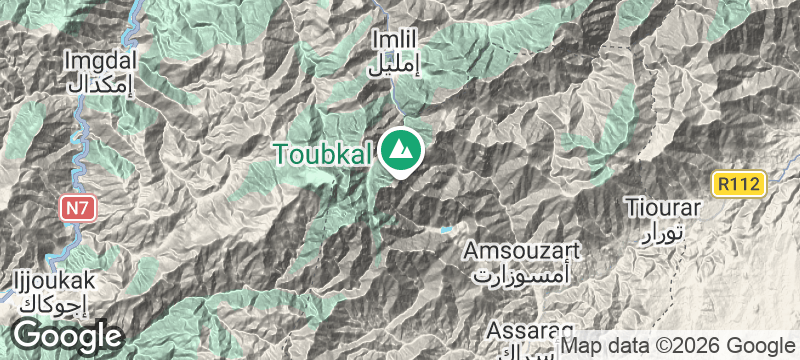
Toubkal National Park
Sheep graze beneath telescopes on a plateau under one of Earth's clearest skies.
Nearly 380 square kilometres of the High Atlas were fenced off as a national park in 1942, the first in the country, and the shape of life inside it has changed less than you would expect. Villages of packed earth hold the lower valleys, terraced to the last usable metre, and above them the ground goes bare and red and keeps going up until it runs out at the highest summit in North Africa.
Most people enter through Imlil in the upper Mizane valley and walk out again the same way. Most visitors miss everything beyond that line. Every August the shepherds from the surrounding villages move their flocks up onto the Oukaimeden plateau to graze, which is the same plateau that carries several international-class telescopes, because astronomers rank its sky among the planet's strongest. Winter is a different park altogether: sudden snow, ice and avalanche terrain turn walking trails into mountaineering ground, even for guided parties.
Solo
Walk in from Imlil and then leave the Toubkal track. The valleys either side carry villages, threshing floors and juniper, and almost everybody who comes here walks the same single line up and back down it.
Couple
Go up to Oukaimeden for the sky. The plateau sits under one of the best observing skies anywhere, and in August there are flocks grazing on it under the telescopes.
Friends
Give it three days and traverse. You get villages, passes and high pasture instead of one queue up and back down, and there is no day where the whole group has to be equally fit.
Family
Stop at the valley floors. Aremd is a real walk from Imlil and still ends at a village with people in it, and Asni's Saturday souq on the way in does more for a child's day than another viewpoint.
- Morocco designated its oldest national park here in 1942; its protected ground spans almost 380 square kilometres.
- Shepherds still bring their flocks up to the Oukaimeden plateau to graze every August.
- The Oukaimeden plateau ranks among the planet's strongest astronomy sites and already carries international-class telescopes.
- Aremd sits at about 1,900 metres, beyond Imlil and before the park's high-mountain interior.
Roadside tagines at Asni on the way in, forty-seven kilometres south of Marrakech, and best timed for the Saturday souq.
Atlas kid goat from the same summer-transhumance flocks; its geographical indication dates to 2021.
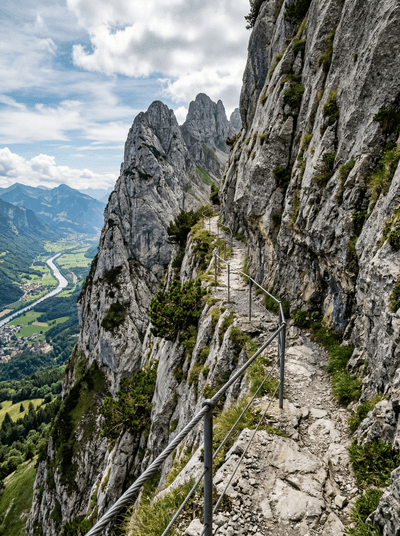
Fürstensteig
Liechtenstein
A path hewn into the Alpspitz face, wire ropes between you and the Rhine Valley.
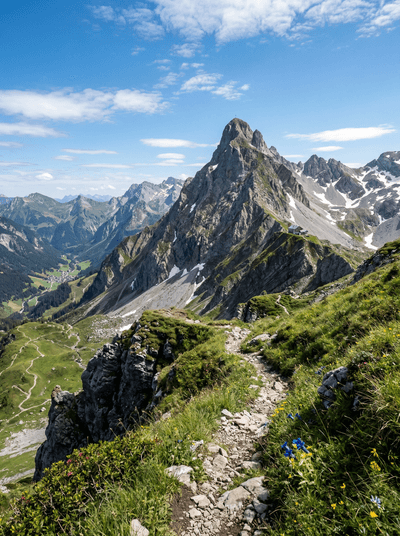
Naafkopf
Liechtenstein
One summit, three countries: Austria, Switzerland and Liechtenstein meet under your boots at 2,570 metres.
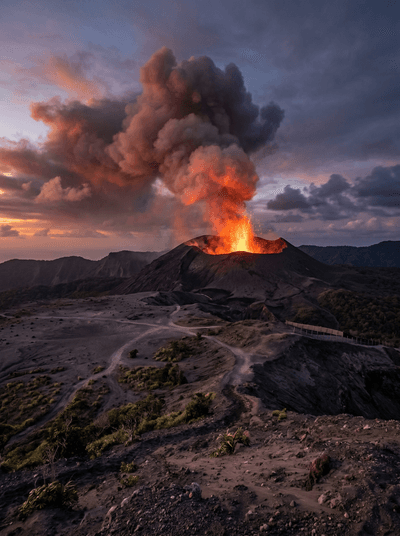
Mount Yasur
Vanuatu
Molten rock bursts skyward several times an hour from a rim you reach at dusk.
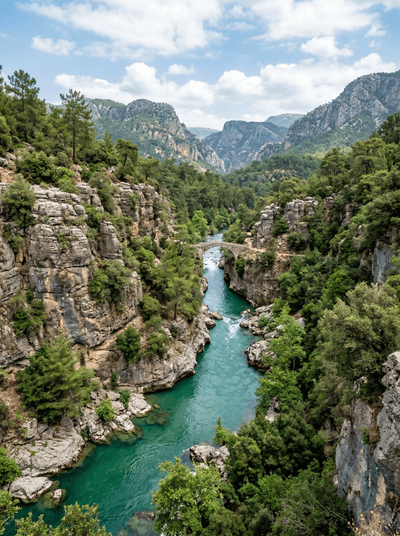
Köprülü Canyon
Turkey
White water through a canyon spanned by a Roman bridge, a ruined city perched above.
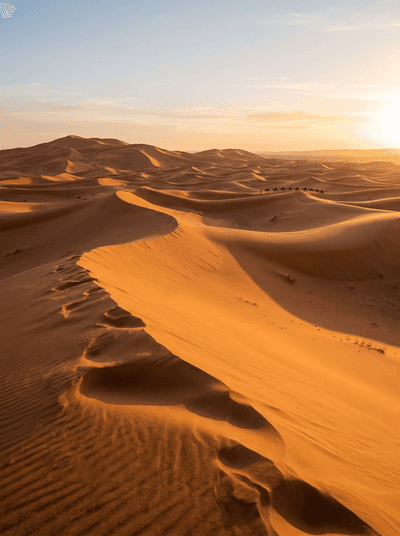
Erg Chebbi
Morocco
A hundred and sixty metres of rose-gold sand interrupts a plain of flat grey rock.
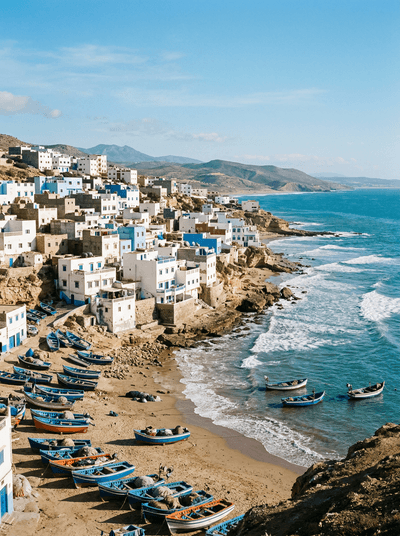
Taghazout
Morocco
The surf break is named for the row of anchors that held a tuna net.
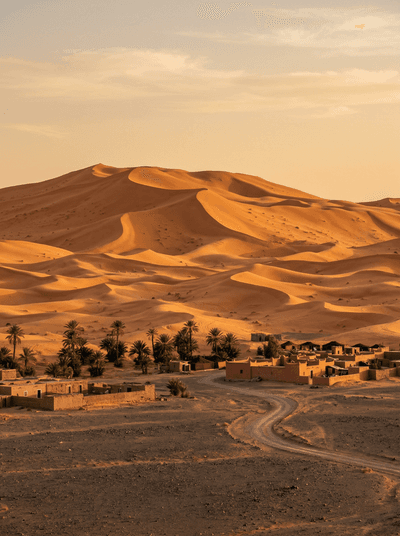
Merzouga
Morocco
Rain puts a lake at the foot of the dunes, and the flamingos find it.
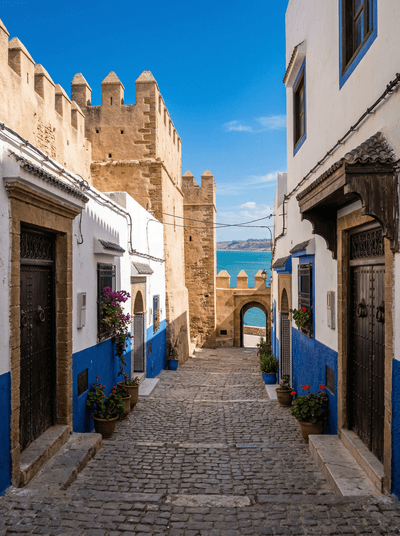
Rabat
Morocco
A forty-four-metre minaret still waits for the mosque that died with its sultan.