Kenya
Tsavo National Park
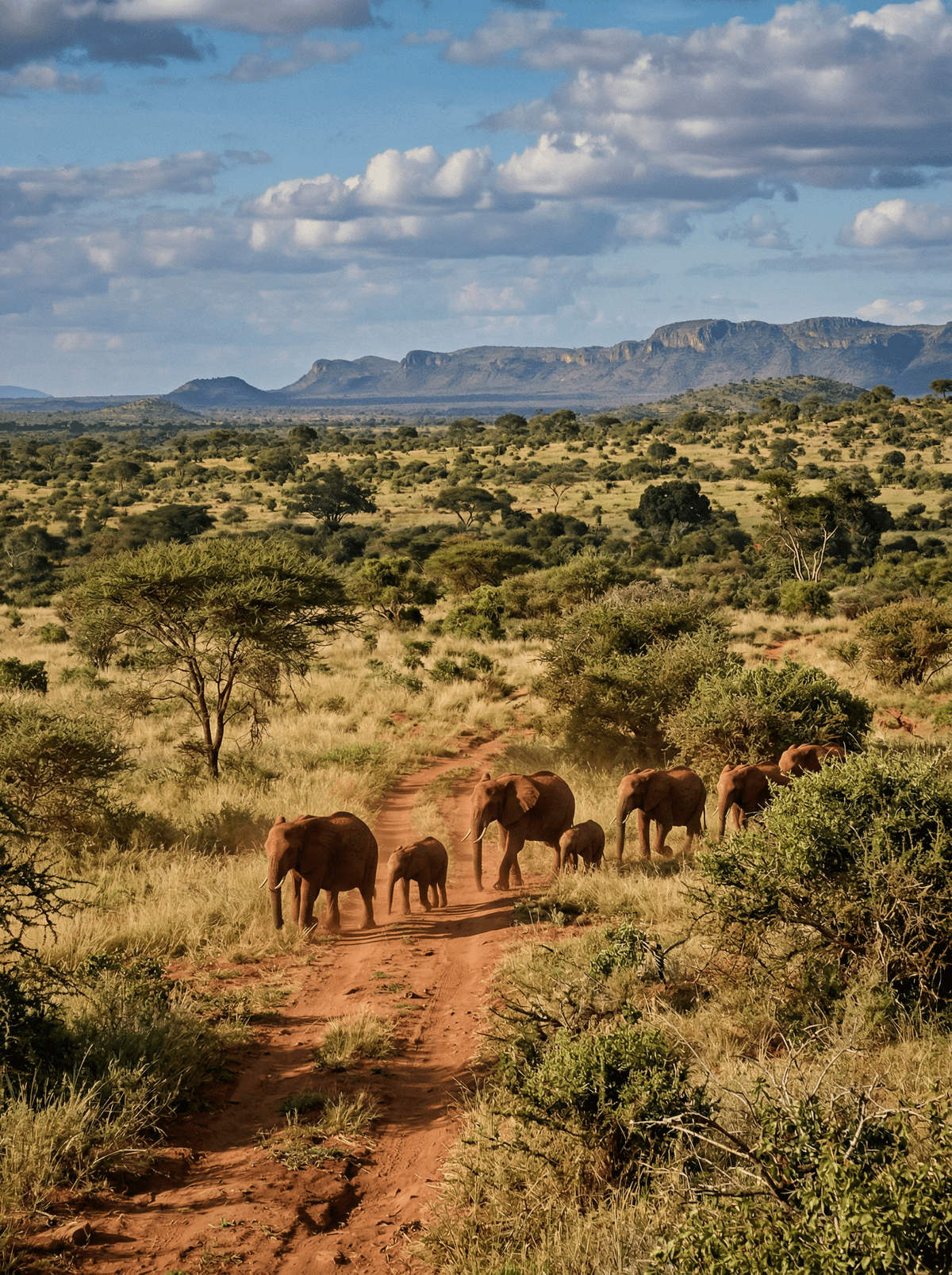
Red elephants ghost through rust-coloured scrubland where man-eating lions once stopped the railway.
The elephants here are red. They roll in the iron-rich soil until their skin matches the earth, and when a herd crosses ahead of you they look like rust-coloured spirits drifting through the scrub. Somewhere beyond the thorn bush runs the old railway line — the same stretch where two maneless lions halted an empire's project in 1898.
Tsavo is Kenya's largest protected area, split into East and West across roughly 22,000 semi-arid square kilometres between Nairobi and Mombasa. Its notoriety is Victorian: in 1898 two maneless male lions — the Man-Eaters of Tsavo — killed an estimated 35 workers building the Kenya-Uganda Railway and stopped the line for months. Its wonder is volcanic: at Mzima Springs in Tsavo West, some 250 million litres of water a day rise crystal-clear from lava-rock aquifers fed by the Chyulu Hills, with a sunken viewing chamber for watching hippos hang in the blue; the Yatta Plateau along Tsavo East is one of the longest lava flows on Earth. In between, the red elephants drift through country big enough that hours can pass without another vehicle.
Solo
Tsavo's vastness is the point — drive for hours through raw, unhurried wilderness on a scale the compact parks cannot offer.
Couple
Remote lodges above waterholes in country measured in horizons, with distance itself the luxury.
Family
The Man-Eaters story grips children old enough for it, and the underwater chamber at Mzima delights even when the hippos keep their distance.
Friends
Cover both halves in a long weekend — West for springs and lava, East for open plains — and argue about which wins.
- Kenya's largest park — around 22,000 square kilometres of wilderness split between Tsavo East and West.
- The elephants bathe in iron-red soil and wear the colour of the land itself.
- Mzima Springs pours out some 250 million litres of volcanic-filtered water daily, watched from a sunken chamber.
- The 1898 Man-Eaters halted the railway here — the story that made Tsavo a legend before it was a park.
Grill smoke marks the highway stops between Nairobi and Mombasa — nyama choma and ugali for the road.
Chai from a flask between game drives, red dust seasoning everything, pleasantly.
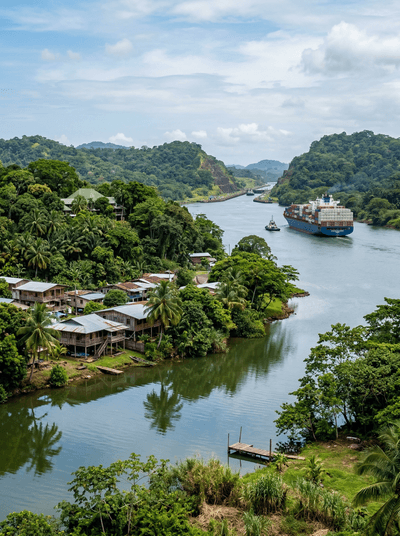
Gamboa
Panama
A rainforest town where ocean-going ships glide silently between the trees.
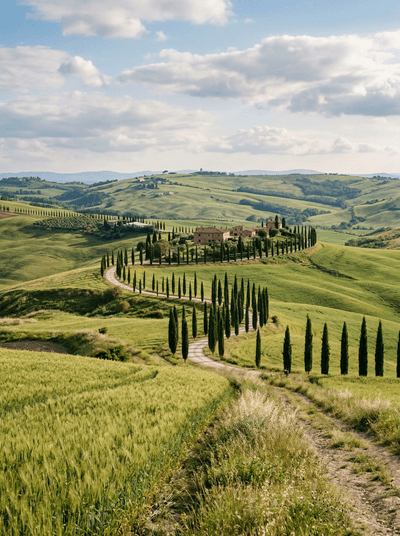
Val d'Orcia
Italy
Cypress-lined roads through golden fields, the landscape Renaissance painters used as their backdrop.
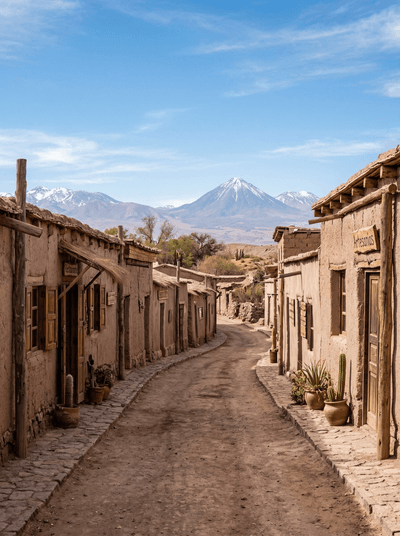
San Pedro de Atacama
Chile
Adobe lanes lead to salt valleys, high lagoons and a sky crowded with stars.
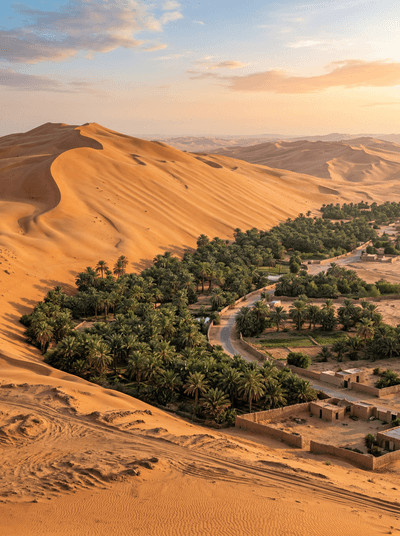
Liwa Oasis
United Arab Emirates
South of the last date farm, Moreeb Dune lifts 300 metres of sand at 50 degrees.
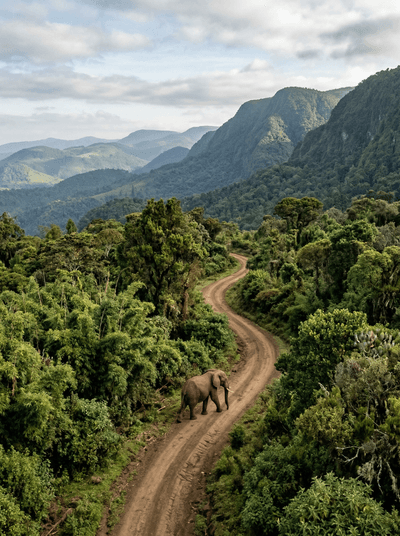
Aberdare National Park
Kenya
Mist-soaked moorlands and waterfalls above a forest where leopards pass treetop lodges at night.
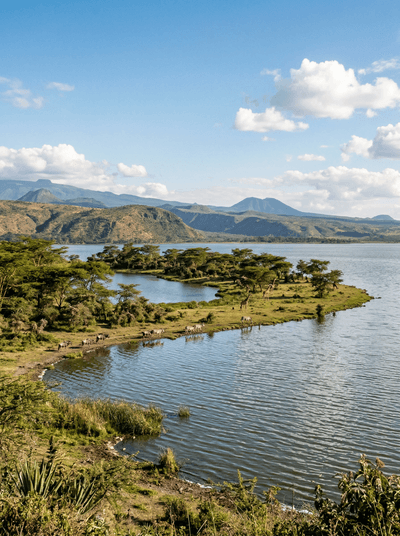
Crescent Island
Kenya
No fences, no vehicles — walk among giraffes and hippos on a volcanic lake island.
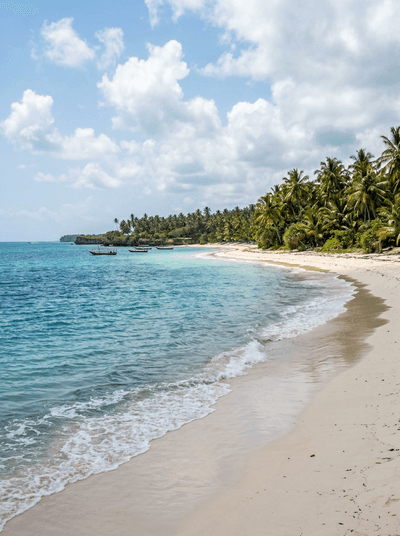
Malindi
Kenya
Vasco da Gama's 1498 pillar still stands where Swahili and Italian menus share the street.
Lamu Old Town
Kenya
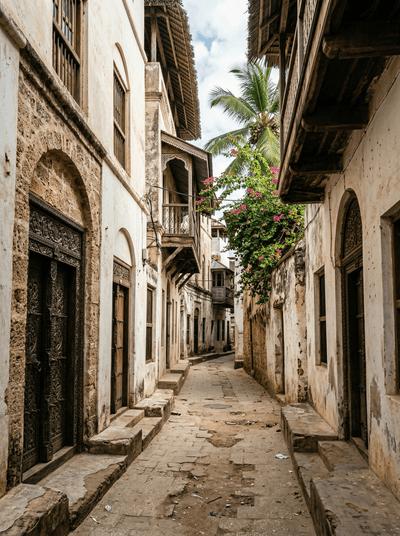
Donkeys replace cars on coral-stone lanes where Swahili doors tell centuries of family history.