Mexico
Tulum
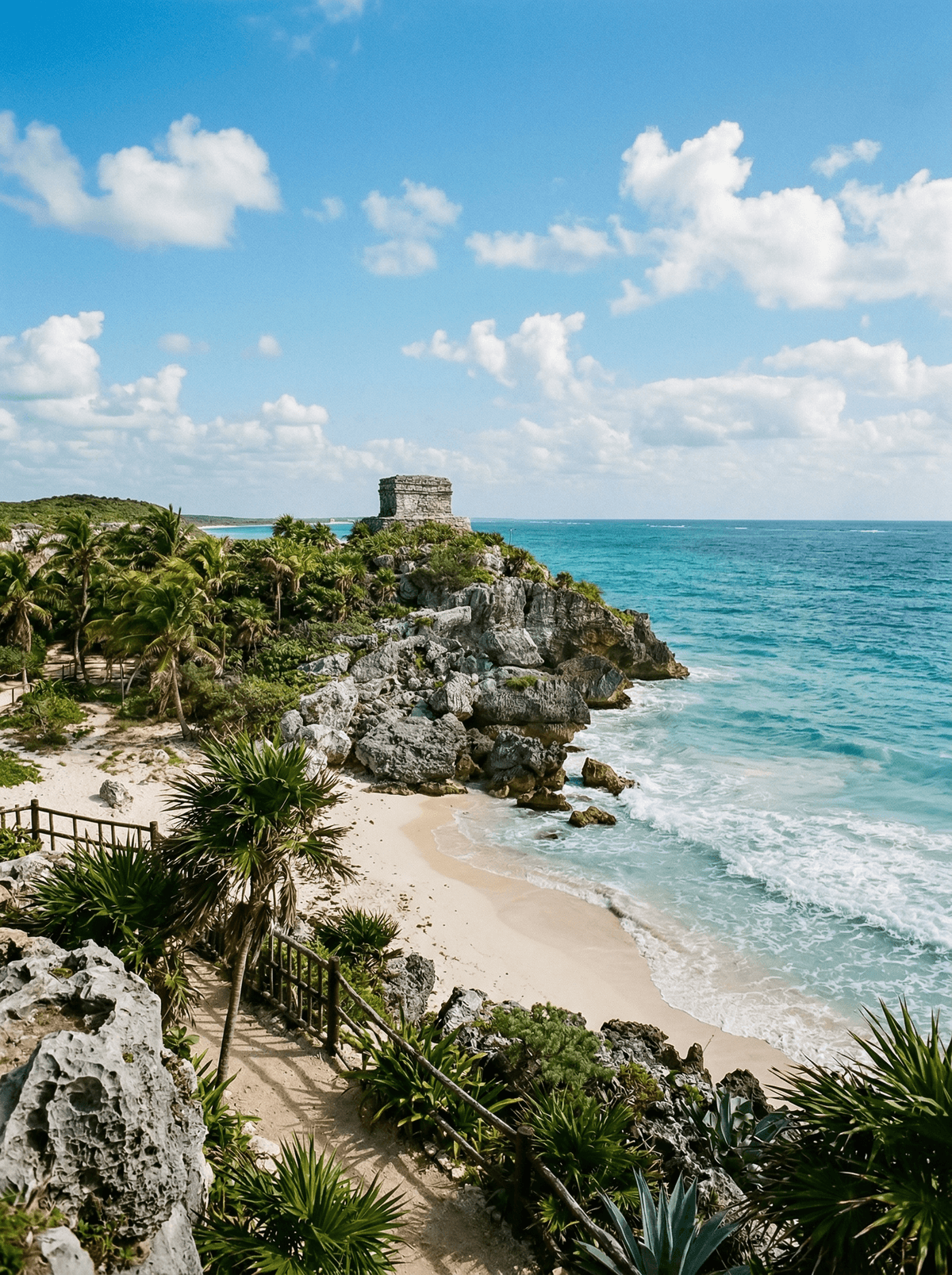
Grey Maya stone holds a cliff edge above white sand and turquoise surf.
The Maya built their port where the cliff meets the clearest water on the coast, and the effect still lands. Grey stone stands above, white sand and turquoise wait below, and pelicans ride the updraft between them.
Tulum's walled Maya port stands on a limestone bluff above the Caribbean, with the Castillo and the Temple of the Frescoes inside a protected archaeological zone where climbing is prohibited. The ruins ask for an early, unhurried circuit; the rest of the day belongs to public beaches and the regulated cenote routes inland. It is the rare site where the setting explains the city at a glance.
Couple
See the ruins at opening time, then trade stone for sand on the public beaches.
Friends
Pair the clifftop circuit with a regulated cenote route inland.
Solo
Walk the zone early with the pelicans, then claim an unhurried beach afternoon.
- The walled Maya port occupies a limestone bluff directly above the Caribbean.
- The Castillo and Temple of the Frescoes sit within a protected archaeological zone where climbing is prohibited.
- The wider visit combines the ruins with public beaches and regulated cenote routes.
One landmark kitchen here changes its menu daily on what sea and land provide, cooking everything over open fire.
In the working pueblo, family-run taquerías specialise in panuchos, salbutes and notably good cochinita.
Byron Bay
Australia
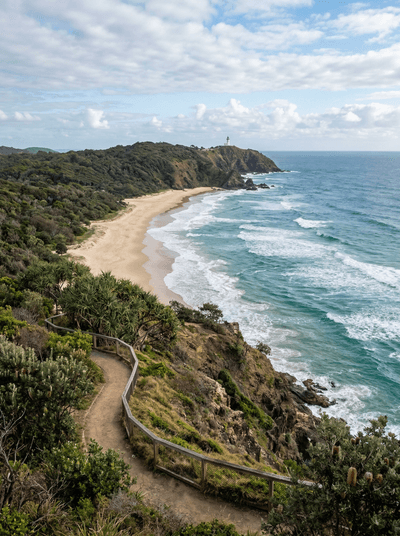
Surfers paddle into dawn beneath a lighthouse at mainland Australia's easternmost point.
Yap
Micronesia
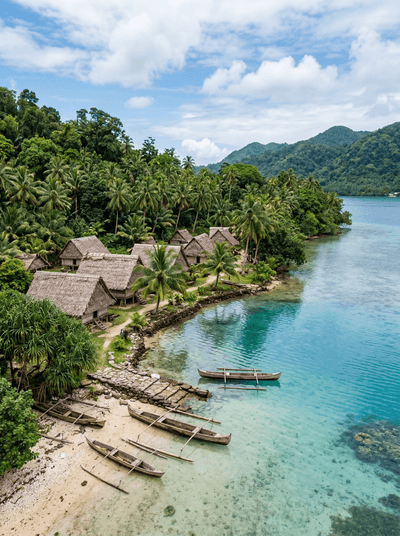
Stone money too heavy to move, so ownership transfers by word alone on this jungle island.
Asilah
Morocco
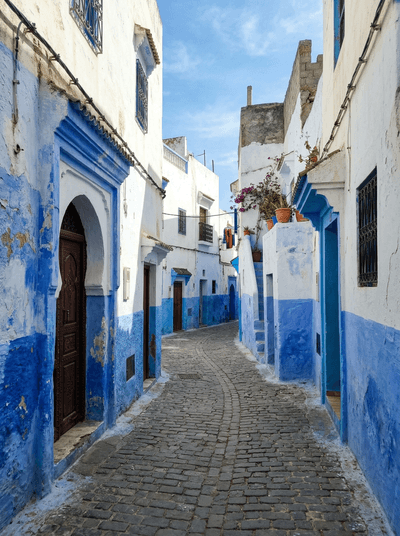
Fresh murals break across whitewashed lanes inside a fifteenth-century Atlantic wall.
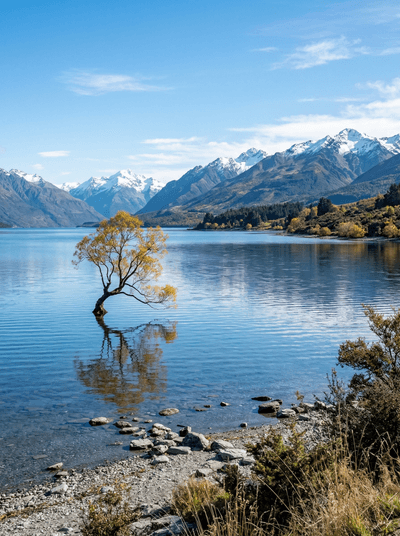
Wanaka
New Zealand
A glacial lake ringed by peaks, where a lone willow in the shallows became iconic.
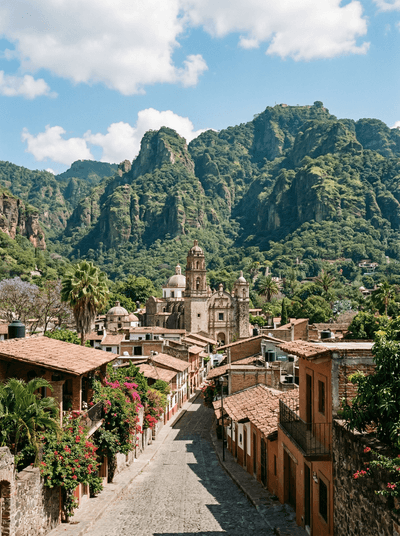
Tepoztlán
Mexico
Volcanic walls cradle a market town of chapels, food and mountain weather.
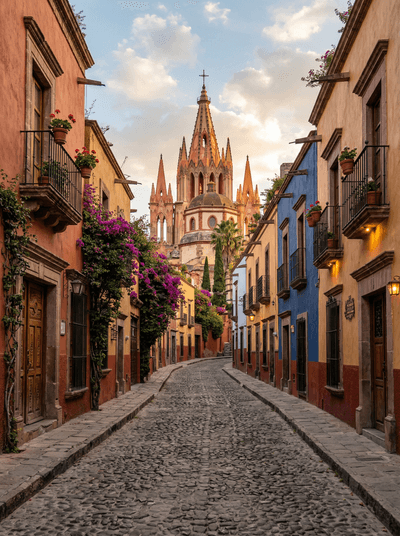
San Miguel de Allende
Mexico
Colonial light turns pink at dusk, every doorway hiding an artist's courtyard.
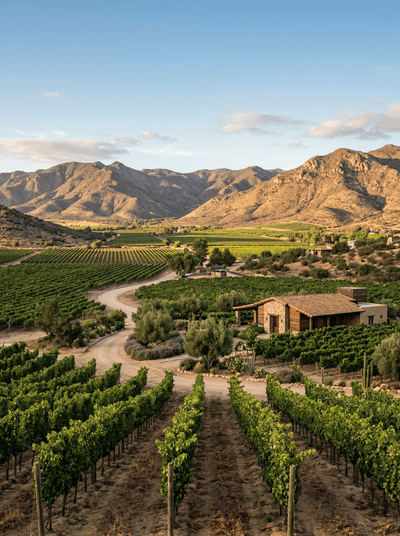
Valle de Guadalupe
Mexico
Dusty vineyard roads link cellar doors and open-fire kitchens across northern Baja.
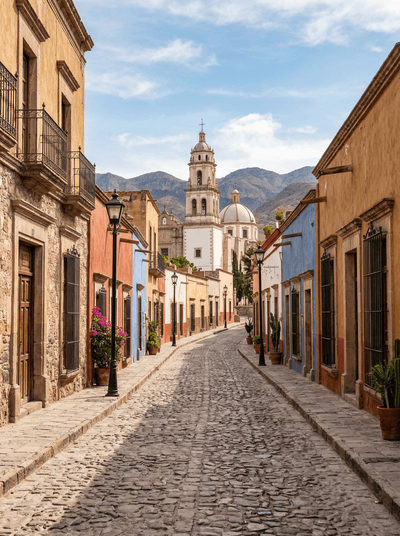
Parras de la Fuente
Mexico
Desert vineyards around a spring-fed oasis have produced wine since 1597.