Kenya
Pate Island
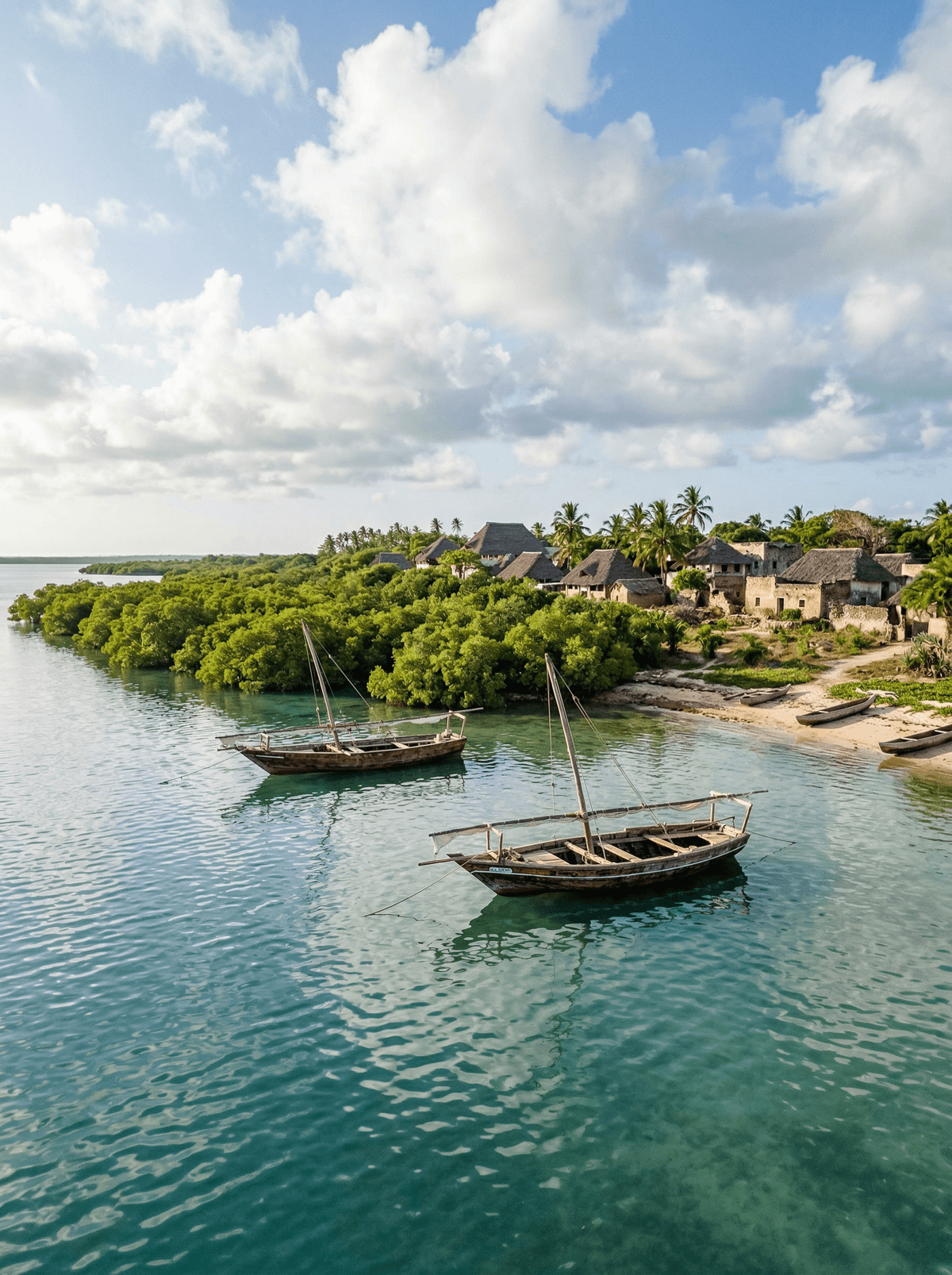
Crumbling Swahili palace walls rise from the jungle on an island that once rivalled Zanzibar.
Crumbling palace walls rise from the jungle, and coral-stone mosques stand roofless against a sky that has watched centuries of empires come and go. Pate Island smells of mangrove wood smoke and dried fish. The dhow that brought you here is already pulling away, and the silence that settles is the kind that only very old, very forgotten places know.
Pate Island is the largest island in Kenya's Lamu Archipelago and one of the oldest continuously inhabited settlements on the East African coast. The town of Pate was a powerful Swahili city-state that rivalled Zanzibar and Mombasa for control of Indian Ocean trade between the 13th and 18th centuries. Today, the ruins of grand houses, mosques, and fortifications stand in various stages of reclamation by the jungle. The neighbouring settlement of Siyu once housed over 30,000 people and built a fort to resist Omani incursion — its walls still stand. Access is by dhow or small boat from Lamu, and tourist infrastructure is essentially non-existent. Visitors stay in local homes, eat home-cooked Swahili meals, and walk between ruins that have received almost no archaeological attention.
Solo
For the traveller who wants to go where almost no one goes. Pate Island demands self-reliance and rewards it with ruins, silence, and Swahili hospitality that feels genuinely unrehearsed.
Couple
Adventurous couples willing to forgo comfort will find an intimacy here that polished destinations cannot replicate — shared meals in local homes, walks through jungle-wrapped ruins, and starlit dhow crossings.
- Pate Island was the most powerful city-state in the Lamu Archipelago from the 14th to 18th century — rivalling Zanzibar as a centre of Indian Ocean trade, with direct connections to Arabia and the Persian Gulf.
- The Nabahani Ruins (Pate's ruined palace) date to at least the 15th century and include intact arched doorways, decorative plasterwork, and a coral-block mosque with mihrab.
- Siyu Fort on the island resisted Omani occupation until 1847 — the last East African coastal fortification to fall. Its walls still stand 5 metres high in the village.
- The island has no electricity grid, no running water, and fewer than 20 foreign visitors per year — one of the most genuinely off-grid inhabited destinations in East Africa.
Swahili home-cooking — sweet pilau, coconut bean stew, and mandazi doughnuts with spiced tea.
Fresh kingfish grilled over mangrove charcoal at the harbour.
Uzuncaburç
Turkey
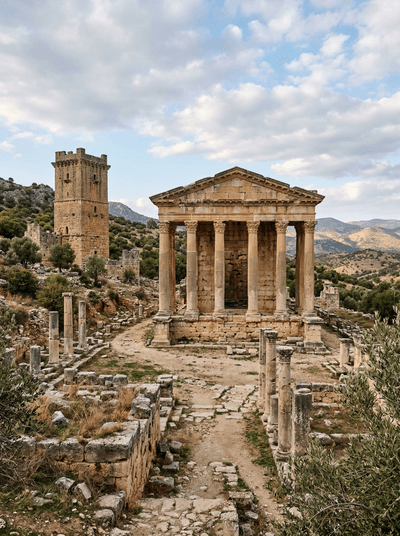
A Roman temple city swallowed by a Turkish village where children play between Corinthian columns.
Silverton
Australia
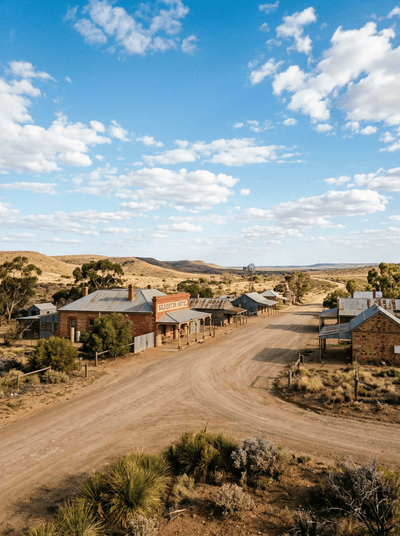
A ghost town where Mad Max was filmed — the Mundi Mundi lookout shows Earth's curvature.

Aizanoi
Turkey
A complete Roman temple alone in a wheat field, an ancient price exchange in its basement.
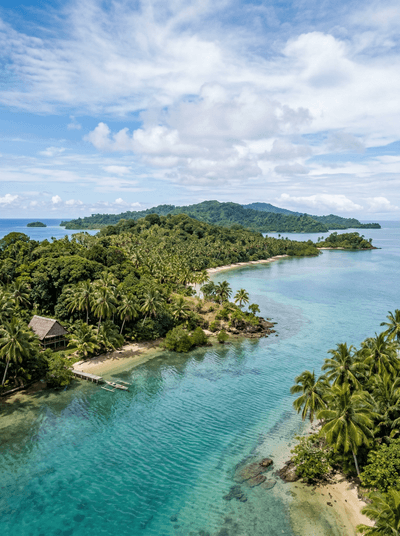
Taro Island
Solomon Islands
A provincial capital where king tides creep through the streets, earmarked for abandonment to the sea.
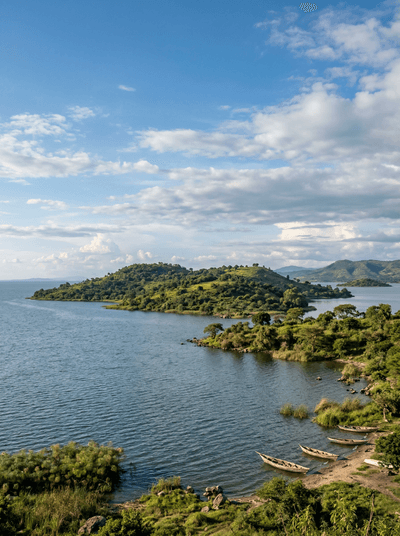
Rusinga Island
Kenya
A fossil island in Lake Victoria where 18-million-year-old apes were unearthed from the shoreline rock.
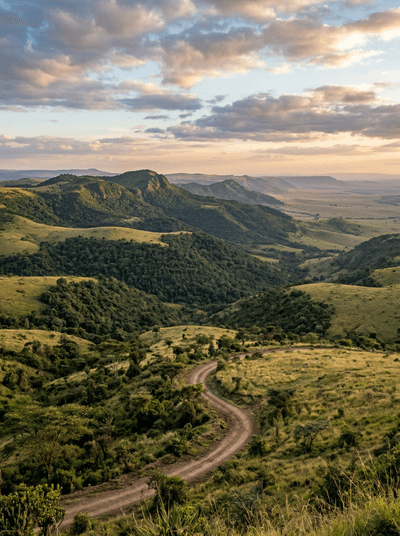
Loita Hills
Kenya
Cattle outnumber cars a thousand to one in hills where Maasai life remains untouched.
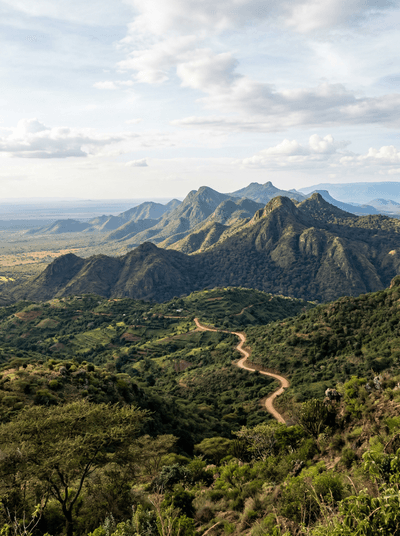
Taita Hills
Kenya
Mist clings to forest fragments where bird species found nowhere else on Earth still sing.
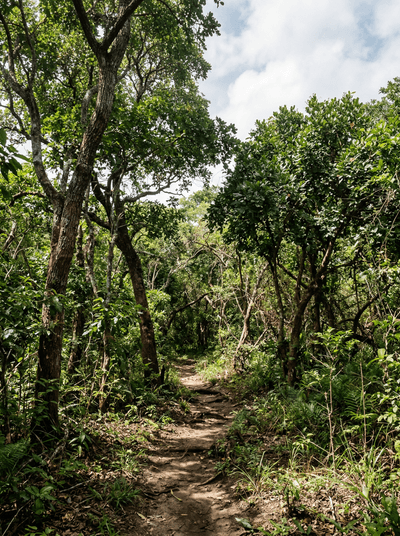
Arabuko-Sokoke Forest
Kenya
East Africa's largest coastal forest shelters species found nowhere else — including the golden-rumped elephant shrew.