Argentina
Quilmes Ruins
A pre-Columbian stone city climbs the hillside, its people unbeaten for a century.
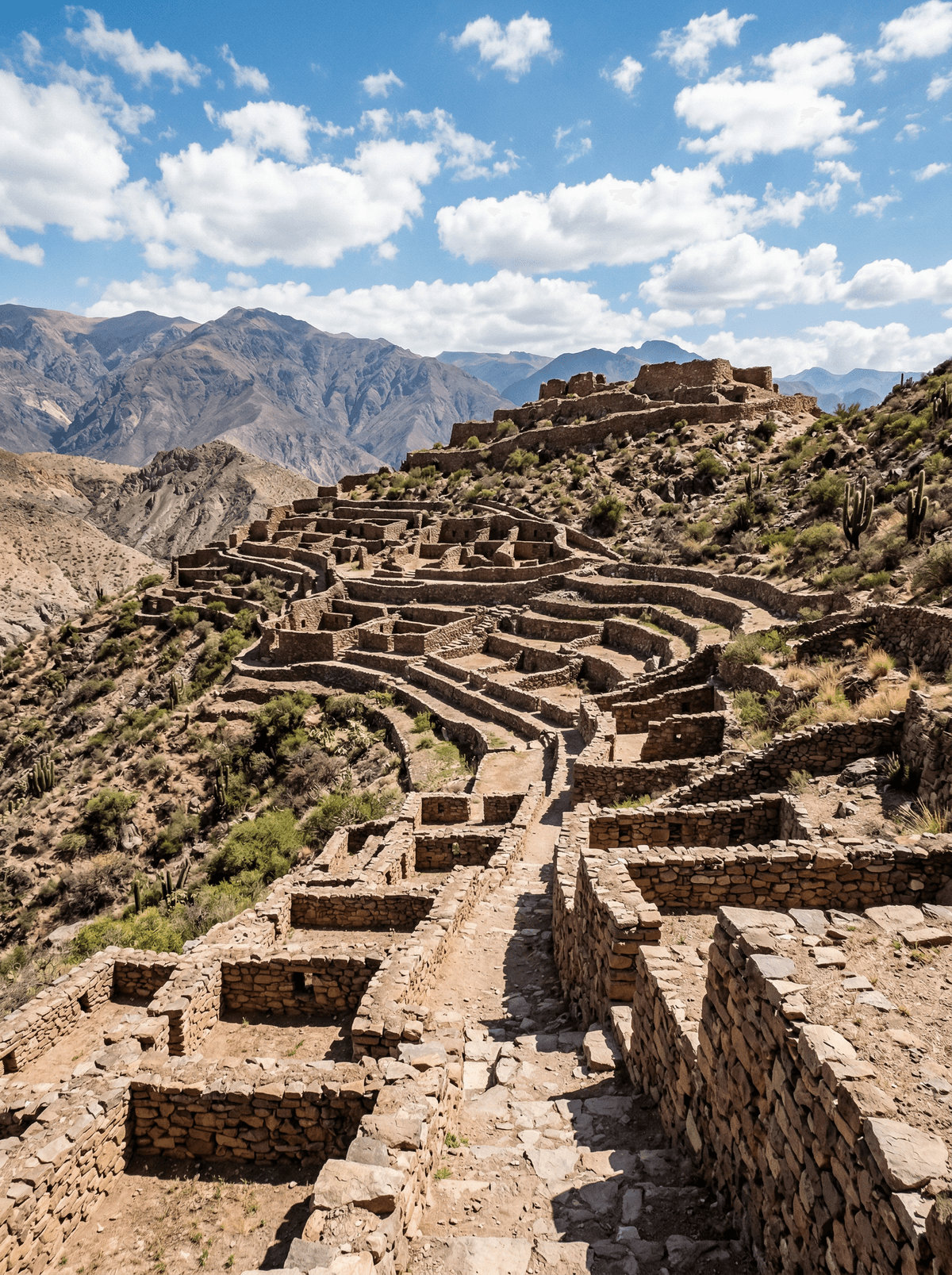
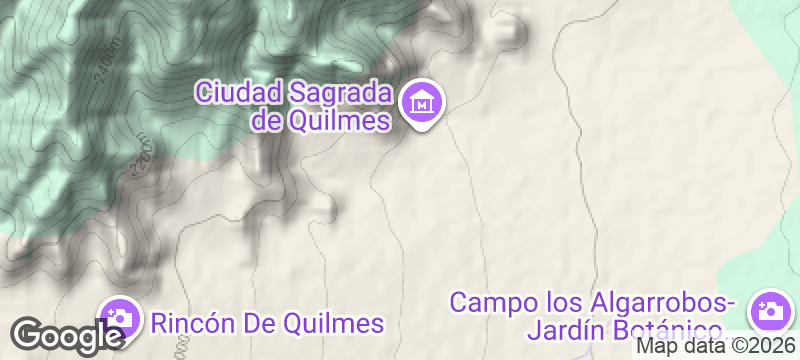
The Ciudad Sagrada de los Quilmes stretches up the Sierra de Quilmes at 1,850 metres — stone compounds, terraces and a ceremonial heart that held several thousand people, still inhabited when the Spanish arrived. The Quilmes resisted colonisation for some 130 years, among the longest documented indigenous resistances in the Americas, before the survivors were force-marched over a thousand kilometres to Buenos Aires in the 1660s. The suburb where they were settled still bears their name — as does the country's most famous beer.
The Quilmes, of the Diaguita-Calchaquí peoples, built here from around 800 AD, and the surviving city covers thirty hectares of walls climbing three hundred metres above the valley floor — the full site takes a couple of hours to walk, the Calchaquí backdrop shifting from green to sand to rock as the eye drops from ruins to river. The site is presented today with the living Quilmes community involved in its care, which matters: this is the sacred city of a people with descendants, not an anonymous ruin. The walk rewards the early hours before the sun hardens, water carried, and the interpretation read as a resistance history rather than a picturesque one.
Solo
Walking the terraces at opening, the valley silent below, gives the resistance history room to land — a solo morning that recalibrates what pre-Columbian Argentina means.
Couple
The ruins and the Amaicha wine country nearby pair into a Calchaquí day of stone and vine, best taken unhurried.
- Several thousand Quilmes held this city through some 130 years of Spanish pressure.
- Terraced walls climb three hundred metres above the valley floor.
- The survivors' forced march of the 1660s gave a Buenos Aires suburb — and a beer — their name.
- The living Quilmes community shares in the sacred city's care and telling.
Empanadas tucumanas — fried, not baked — with a crispy shell and juicy beef filling.
Regional wine from nearby Amaicha del Valle, poured at a roadside bodega.
Silverton
Australia
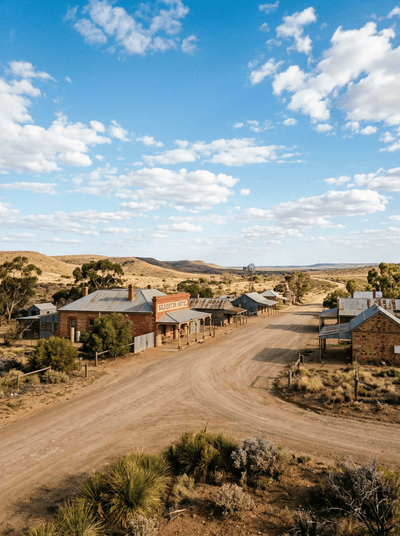
Mad Max roads vanish into Mundi Mundi plain beyond corrugated-iron galleries and a former silver town.
Uzuncaburç
Turkey
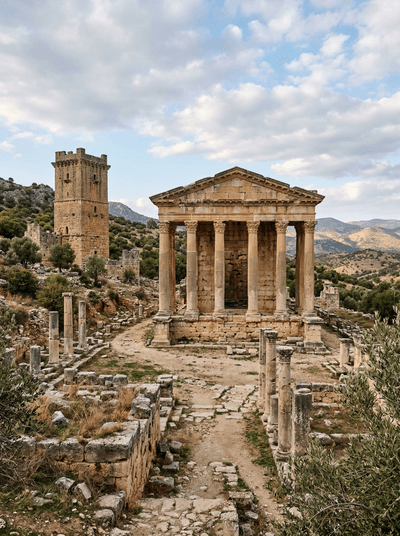
A Roman temple city swallowed by a Turkish village where children play between Corinthian columns.
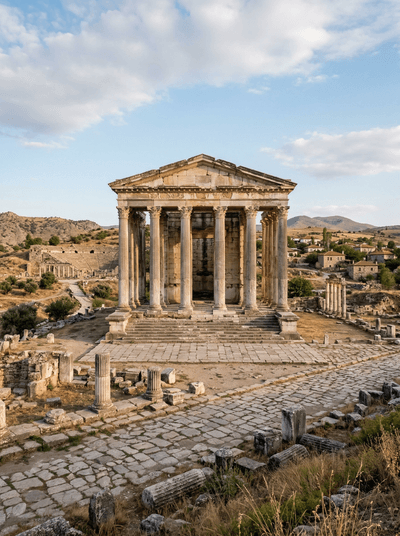
Aizanoi
Turkey
A complete Roman temple alone in a wheat field, grain prices carved in its market hall.
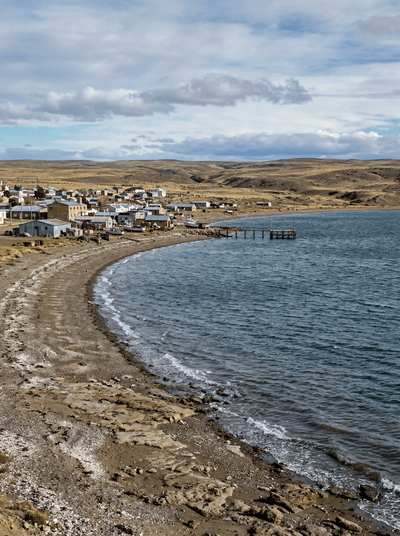
Puerto San Julián
Argentina
The bay where Magellan's crew mutinied in 1520, now patrolled by Commerson's dolphins.
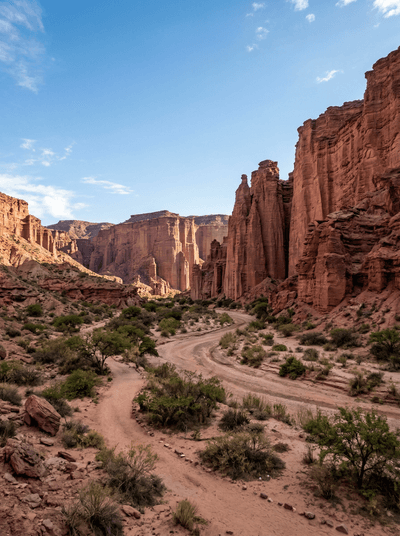
Parque Nacional Talampaya
Argentina
Red sandstone canyons where condors nest above dinosaur-age trackways in the riverbed.
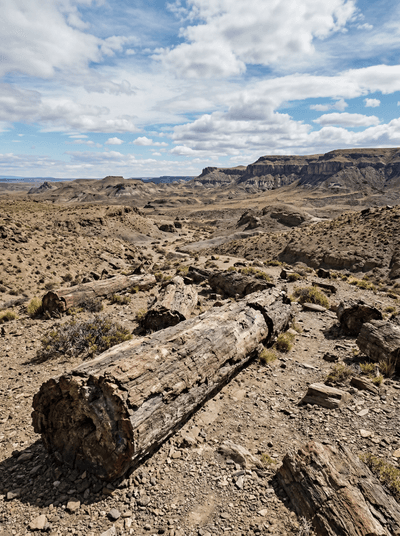
Bosques Petrificados de Jaramillo
Argentina
Trees turned to stone in the Jurassic, lying where they fell on windswept steppe.
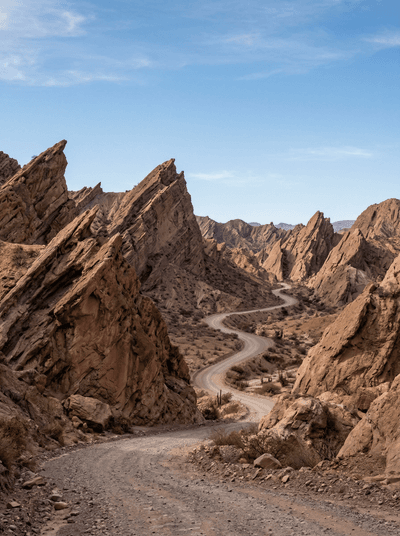
Quebrada de las Flechas
Argentina
Tilted stone slabs pierce the earth like frozen arrows, a canyon turned sideways.