Panama
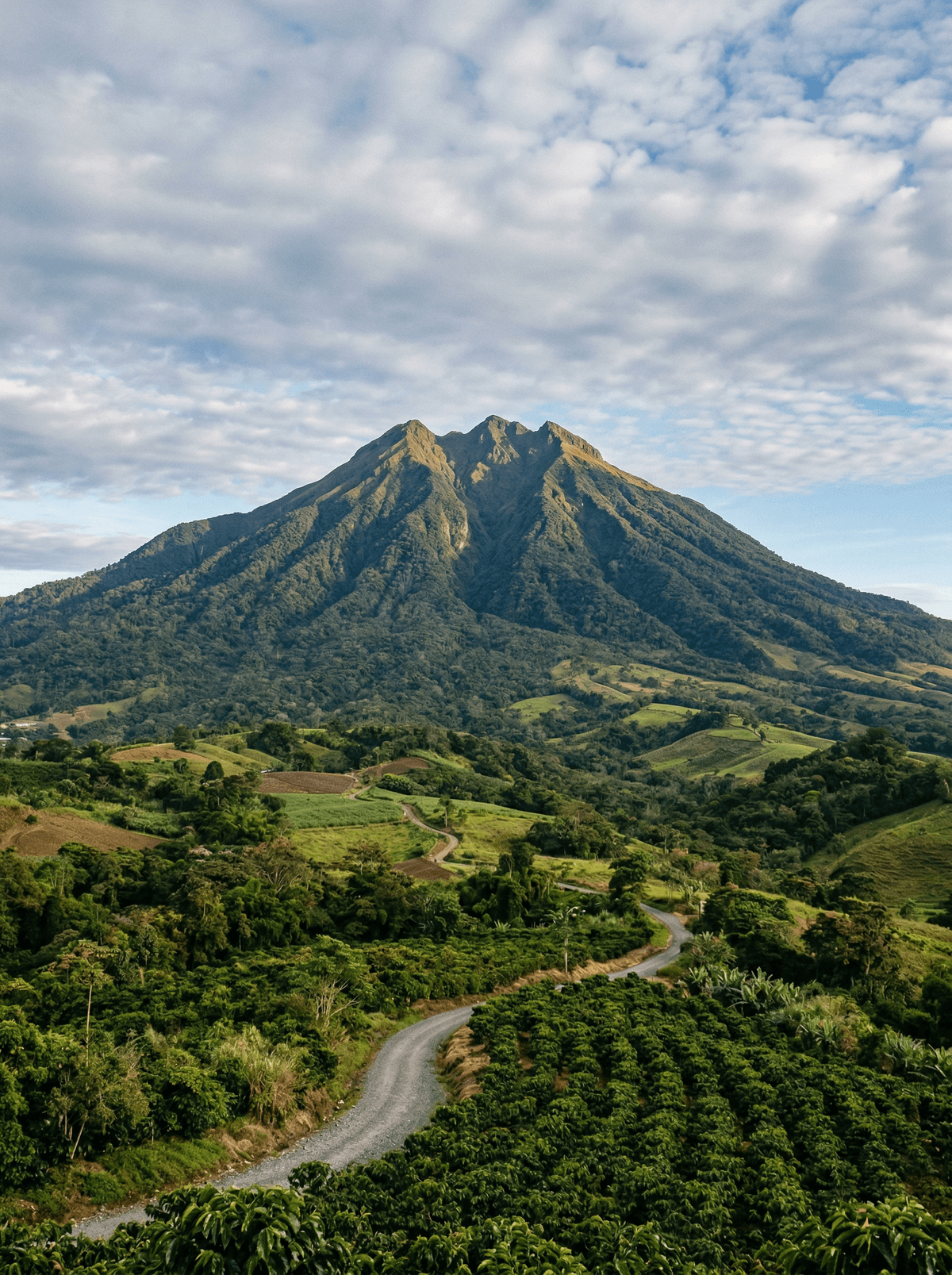
Volcán Barú
On a clear dawn from Panama's summit, two oceans shine at once.
The headlamp lights six feet of rocky trail and nothing else. You have been climbing since midnight through cloud forest, the cold sharpening with every switchback, because this mountain pays its debts at dawn: from Panama's highest point, both of the country's seas can appear at once.
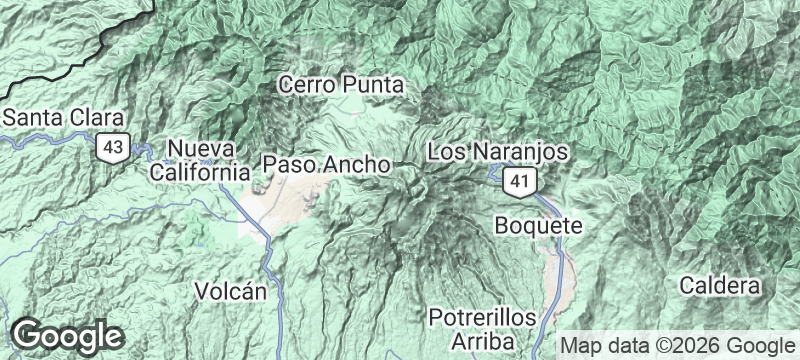
Volcán Barú tops out at 3,474 metres, a seven-cratered volcano whose summit offers the chance to see the Atlantic and the Pacific from the same spot. The Boquete route climbs 2,274 metres over a 27-kilometre round trip, and most hikers leave near midnight to stand on top for sunrise, when the mornings are clearest; up there the temperature can sit near or below zero and the wind can make standing difficult. The reward structure is honest: clear summits are never guaranteed, and the gamble is why the double-ocean dawn is worth chasing. The lower cloud forest holds resplendent quetzals, among Central America's finest birdwatching encounters, and the towns bracketing the volcano soften the descent, Boquete being the home of Geisha, the world's most sought-after coffee.
Solo
The midnight ascent strips life back to headlamp, trail and breath; joining a guided group adds safety without diluting the summit's solitude at dawn.
Friends
Sharing the cold, the switchbacks and the summit wind turns the climb into a bonding rite, settled afterwards over Boquete's own coffee.
Couple
For two walkers with the legs for it, a sunrise that can hold two oceans is the kind of shared accomplishment that outlasts any beach day.
- The 3,474-metre summit offers the chance to see the Atlantic and the Pacific from the same spot.
- The Boquete route climbs 2,274 metres over a 27-kilometre round trip, with most hikers starting near midnight to reach the top at dawn.
- Resplendent quetzals live in the cloud forest above Boquete, among Central America's finest birdwatching encounters.
- Boquete at the volcano's foot is the home of Geisha, the world's most sought-after coffee.
Mark the descent with a cup of Geisha in Boquete, the world's most sought-after coffee, grown and brewed at source.
Strawberries with cream are Boquete's own highland tradition, the sweet reward waiting below the mountain.
Akchour Waterfalls
Morocco
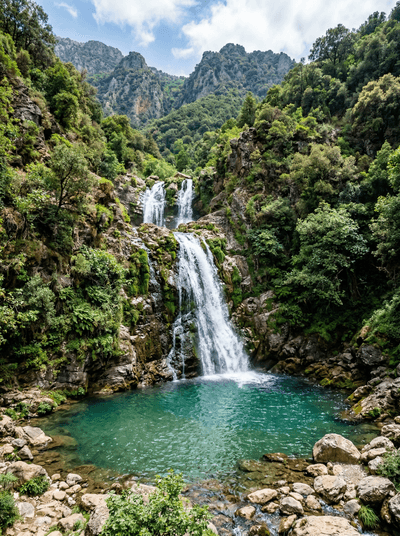
A rock arch twenty-five metres over the river, and the village crosses it daily.
Empakaai Crater
Tanzania
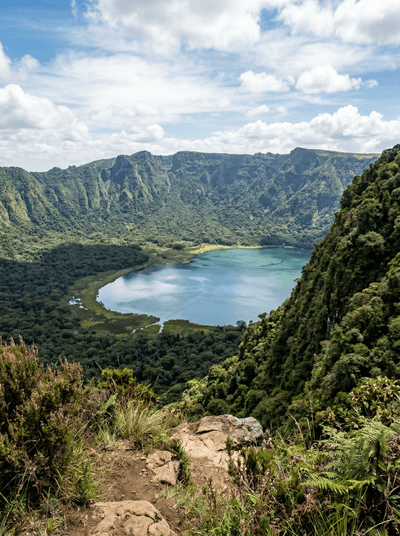
Flamingos scatter pink across a crater lake, with Lengai smoking on the horizon.
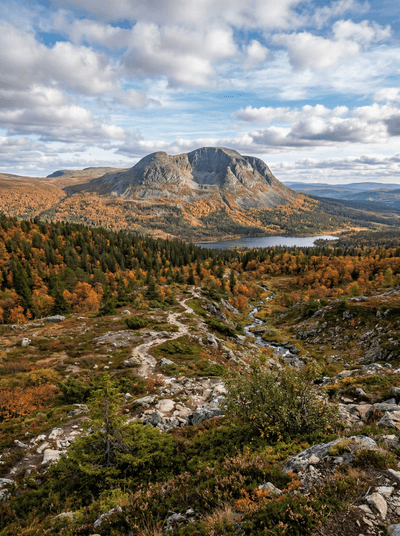
Sonfjället National Park
Sweden
A lone rounded mountain in bear country, protected for the bears since 1909.
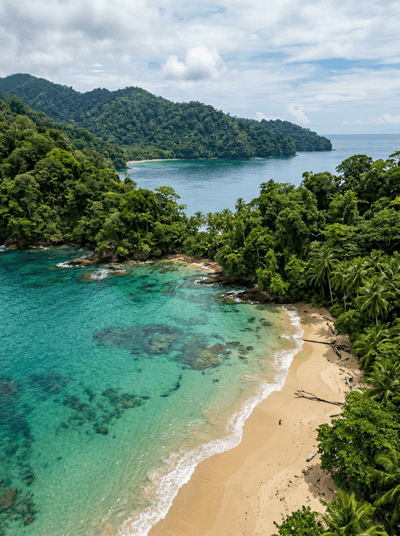
Isla Coiba
Panama
Fishing was banned to stop prisoners escaping; the reef has been thriving ever since.
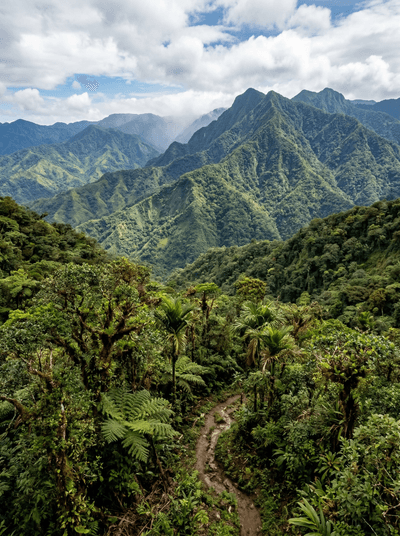
La Amistad International Park
Panama
One forest, two countries, five kinds of wild cat moving through the cloud.
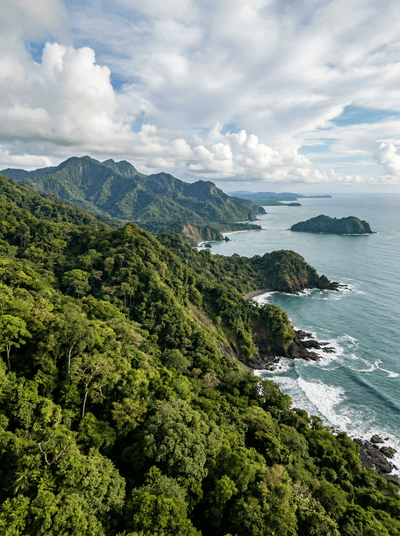
Cerro Hoya National Park
Panama
The last wild corner of a cattle peninsula, kept by monkeys that bear its name.