Panama
Cerro Hoya National Park
The last wild corner of a cattle peninsula, kept by monkeys that bear its name.
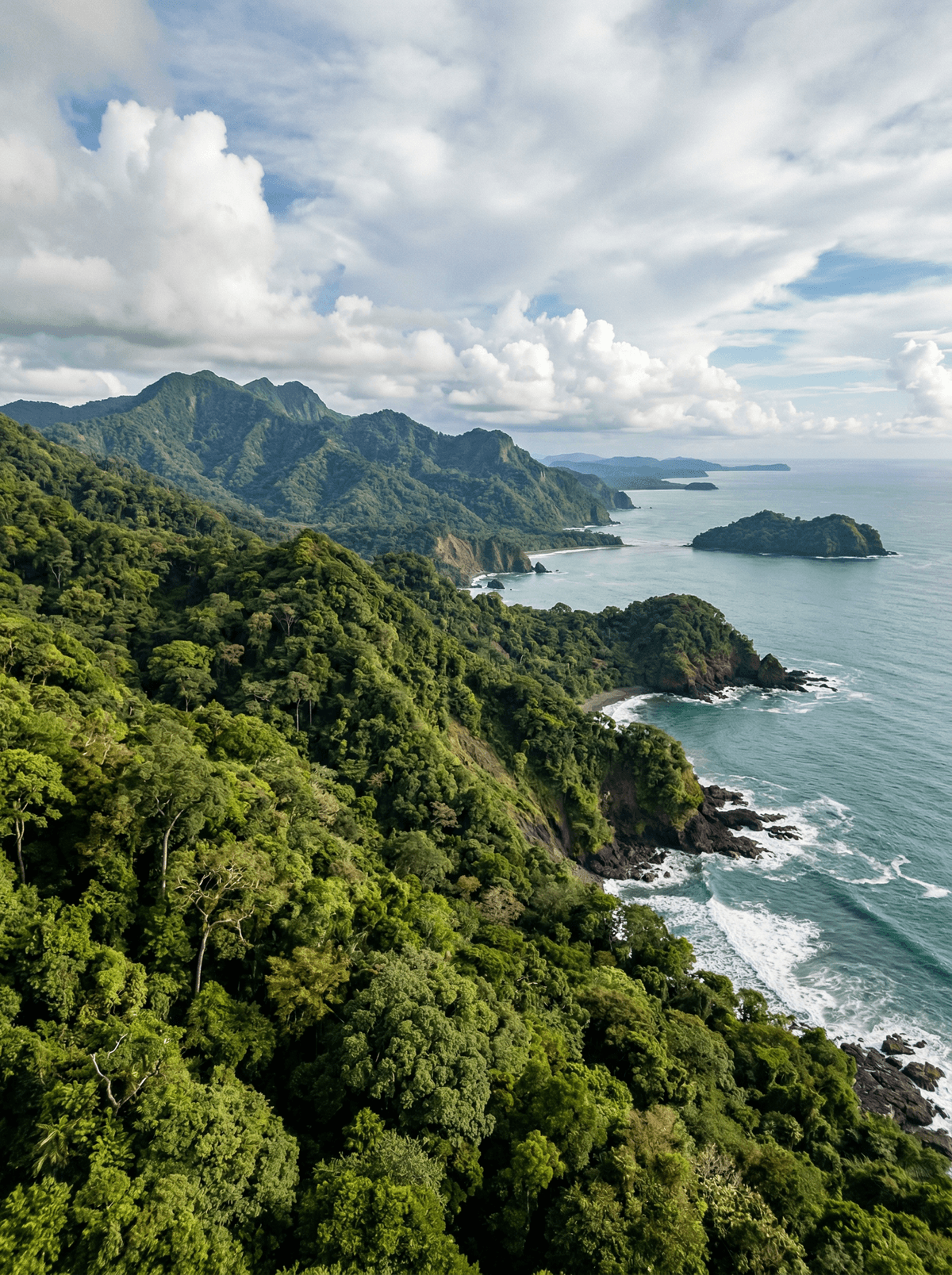
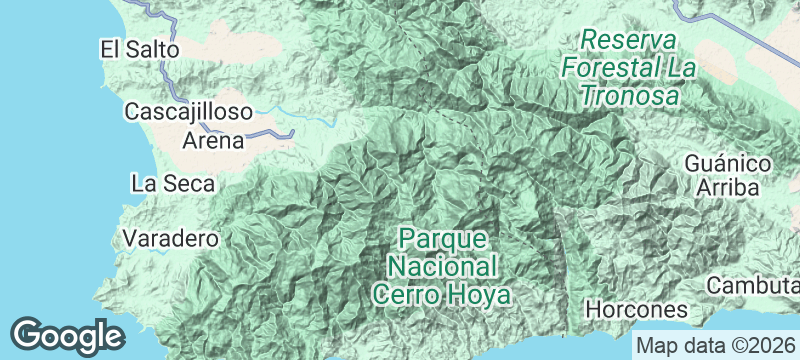
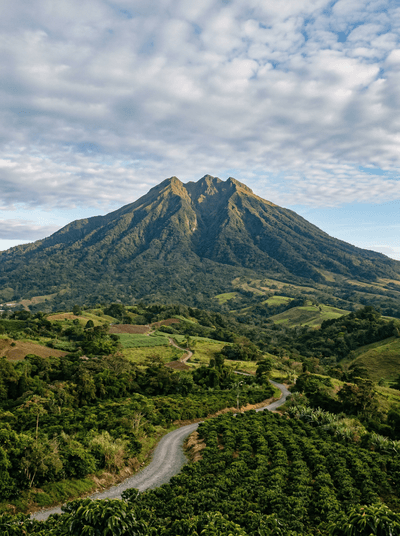
The pastures stop and the forest starts, abruptly, like a border. Cerro Hoya holds the wild tip of the Azuero Peninsula, its forest climbing towards a fog-wrapped summit while the farmland glitters far below.
The animals here are the peninsula's own: the Azuero spider monkey and the Azuero parakeet are the target species of conservation expeditions into the park, alongside green macaws and the Azuero mountain-gem hummingbird, with the rare crowned eagle overhead. The forest itself is among the region's last mature remnants, rising to virgin cloud forest below the summit of Cerro Hoya, at 1,559 metres the peninsula's highest point. Reaching it is an expedition by design: the full route runs up to 30 kilometres, with a first day that climbs a thousand vertical metres in five kilometres to a base camp, and a five-hour push through the cloud forest to the top. Most who make it have a specialised guide, a planned camp and the mountain effectively to themselves.
Solo
The base-camp expedition logistics filter the crowds to zero; an experienced walker joining a guided departure gets endemic wildlife and true solitude.
Friends
A small team splitting guide, camp and transport turns the thousand-metre day and summit push into a genuine shared expedition.
- The Azuero spider monkey and Azuero parakeet, animals named for this peninsula, are the expeditions' target species.
- The summit trail runs up to 30 kilometres to the peninsula's highest point at 1,559 metres, crossing virgin cloud forest.
- Day one climbs a thousand metres in five kilometres to a base camp; the summit push takes five hours more.
- Few mature forest tracts survive in the region; this one shelters green macaws and the Azuero mountain-gem hummingbird.
Expedition cooking is the menu: breakfast before the climb, a picnic unwrapped in the forest, dinner at camp.
Every calorie is planned and carried, and the reward system is simple: a hot meal after a thousand-metre day.
Pu Mat National Park
Vietnam
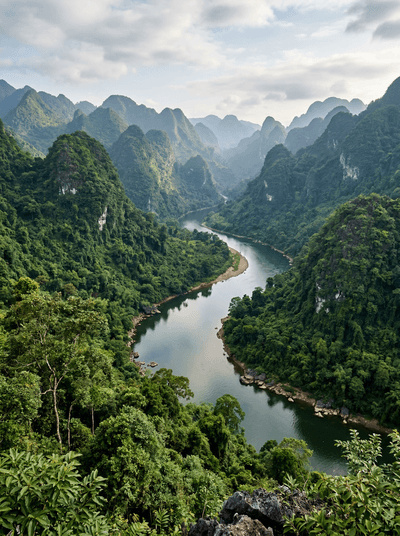
Dense border jungle whose Dan Lai people tell of ancestors who slept sitting upright.
Vindelfjällen Nature Reserve
Sweden
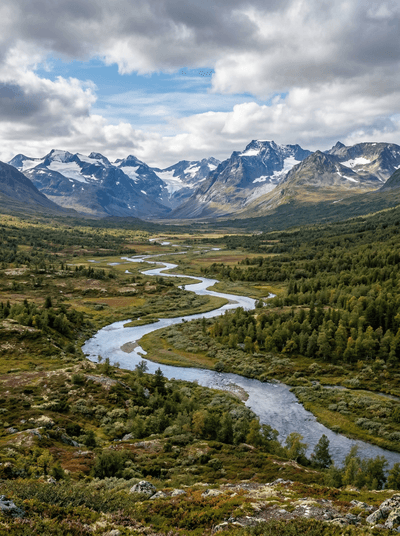
One of Europe's largest protected areas — Arctic fox country wider than small nations.
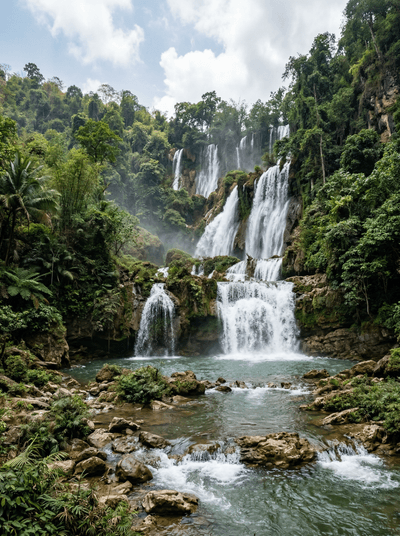
Thi Lo Su Waterfall
Thailand
Thailand's largest waterfall thundering down a jungle cliff, days deep in Karen forest.
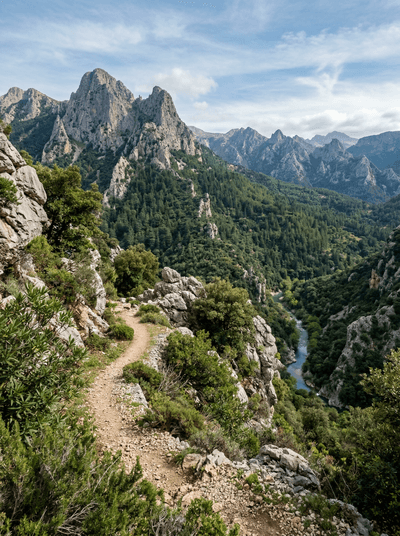
Talassemtane National Park
Morocco
Endangered fir darkens the Rif until pale limestone cliffs break through the canopy.
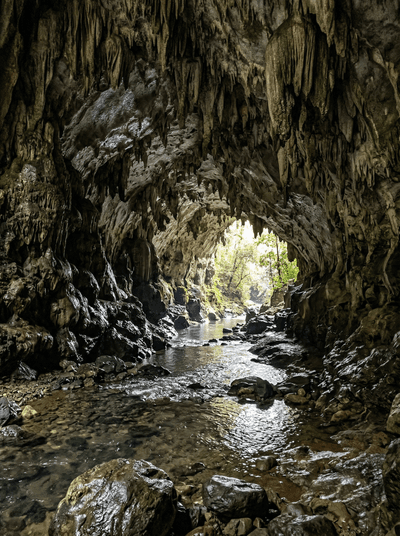
Bayano Caves
Panama
Wade an underground river past hundreds of bats to where sunlight shafts split the dark.
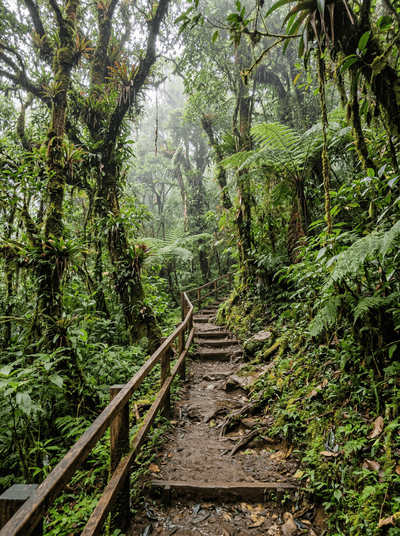
Sendero Los Quetzales
Panama
A cloud forest trail between two highland towns where resplendent quetzals flash through the mist.
Volcán Barú
Panama
On a clear dawn from Panama's summit, two oceans shine at once.