Panama
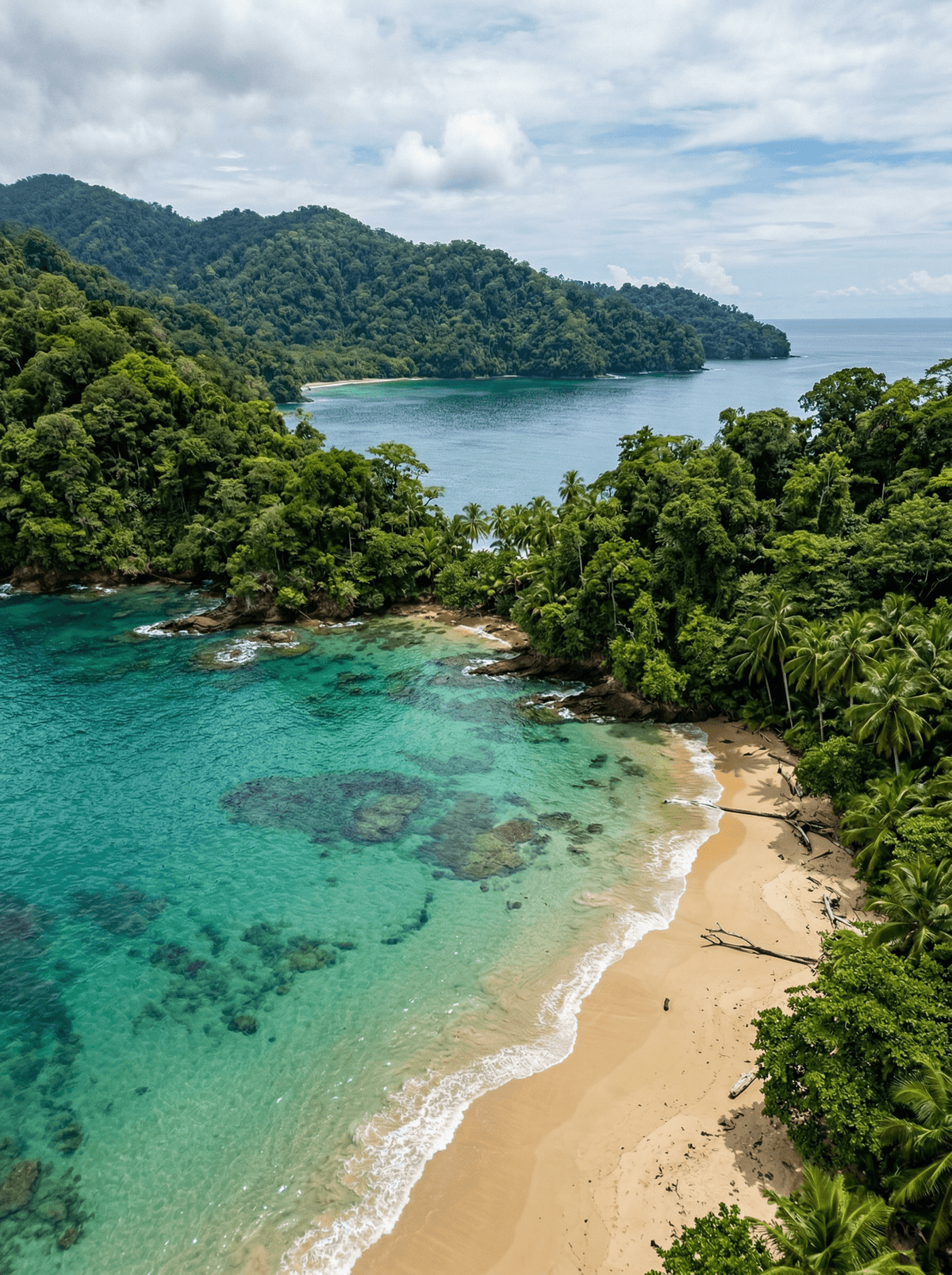
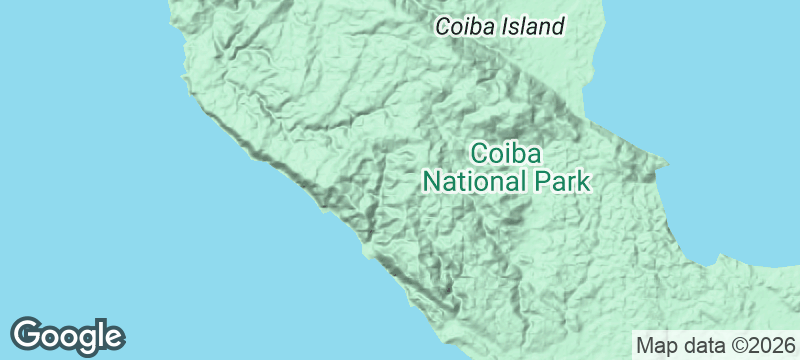
Isla Coiba
Fishing was banned to stop prisoners escaping; the reef has been thriving ever since.
The panga crosses more than an hour of open Pacific before Coiba's dark forest ridge lifts out of the haze. Below the hull the blue turns glassy over reefs left to heal in enforced silence: the prison kept everyone out, and the sea took notice.
Coiba is Central America's largest island, severed from the mainland more than twelve thousand years ago and kept empty by the penal colony that operated here from 1919 to 2004. Panama banned fishing in the surrounding waters to deny escapees a boat, and the accidental reserve flourished: the park now counts more than 800 fish species and 33 kinds of shark, humpback whales arrive each July to September, whale sharks and manta rays migrate through, and small schools of hammerheads gather off the northern islands between April and July. UNESCO listed the park in 2005, and its coral reefs rank among the most extensive and best-preserved in the eastern Pacific. Ashore, four-fifths of the island is still forest, home to a howler monkey that exists nowhere else on Earth, while the prison's church, unmarked-grave cemetery and cell blocks moulder quietly back into the green.
Solo
Licensed boats out of Santa Catalina run small shared groups, and the long crossing, ranger-led landings and expedition rhythm make solo joining feel natural.
Couple
Snorkel one of the eastern Pacific's best-preserved reefs in the morning, walk the prison ruins after lunch, and come home with a story most beach trips never touch.
Friends
Multi-day dive itineraries chase hammerhead schools and whale-season encounters in seriously remote water, the kind of shared adrenaline that binds a group.
- Fishing was banned around the island for decades to prevent prison escapes, and the reefs are now among the most extensive and best-preserved in the eastern Pacific.
- Small schools of hammerheads gather off the park's northern islands between April and July, with humpback whales from July to September.
- Coiba is Central America's largest island, eighty per cent forest, with more than 800 fish species and 33 shark species in its UNESCO-listed waters.
- The prison church, a cemetery of unmarked graves and refurbished cells still stand where the forest is taking them back.
Coiba has no kitchens of its own: authorised boats carry lunch across, eaten on the sand between snorkel stops.
Back in Santa Catalina, beachfront Pescao plates the local catch, lobster, croaker and clams, with mango, cassava and papaya from family gardens.
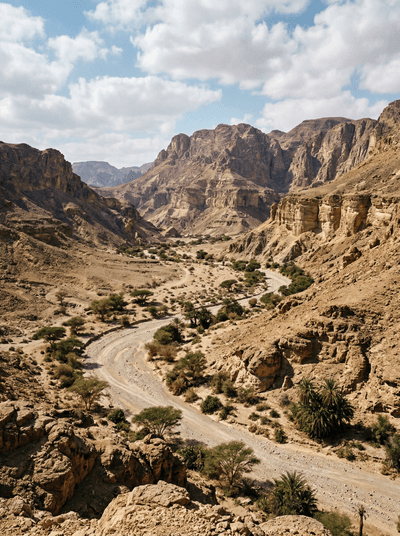
Wadi al-Gemal
Egypt
Red desert wadis spilling into turquoise sea, Ababda nomads herding camels on empty shore.
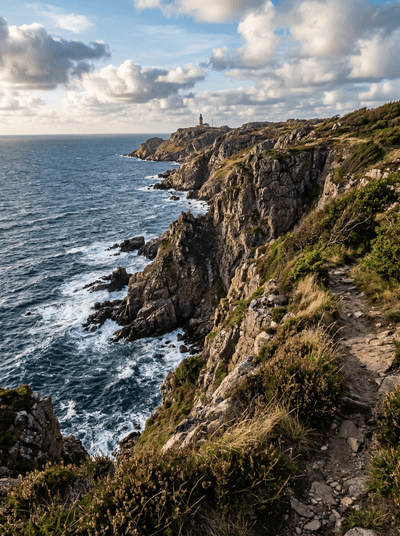
Kullaberg Nature Reserve
Sweden
Sea caves and porpoise pods along a dramatic headland where Skåne plunges into the Kattegat.
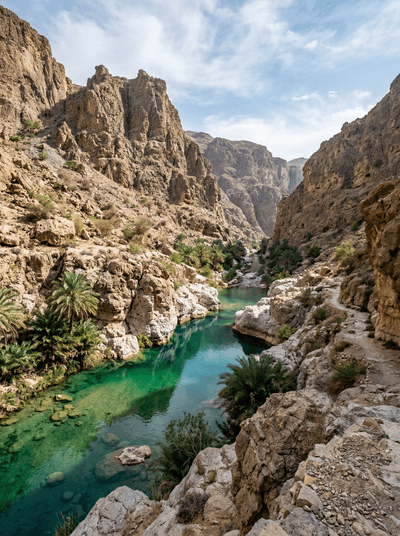
Wadi Shab
Oman
A chain of cool pools ends at a waterfall hidden inside a keyhole chamber.
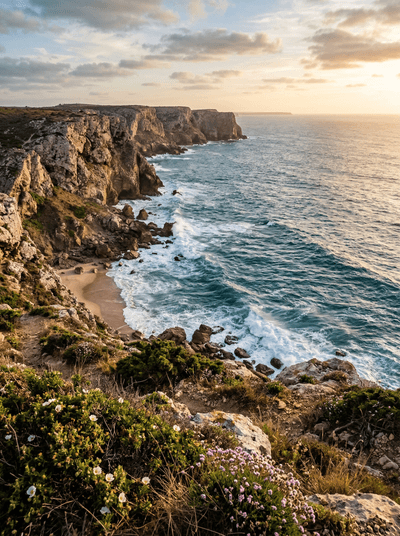
Costa Vicentina
Portugal
Among Europe's last wild coasts — empty surf detonating beneath clay-red cliffs for miles.
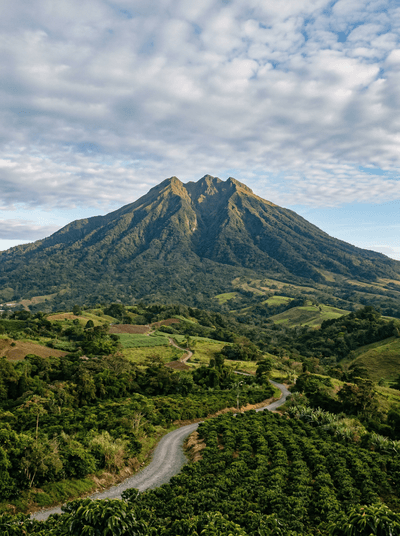
Volcán Barú
Panama
On a clear dawn from Panama's summit, two oceans shine at once.
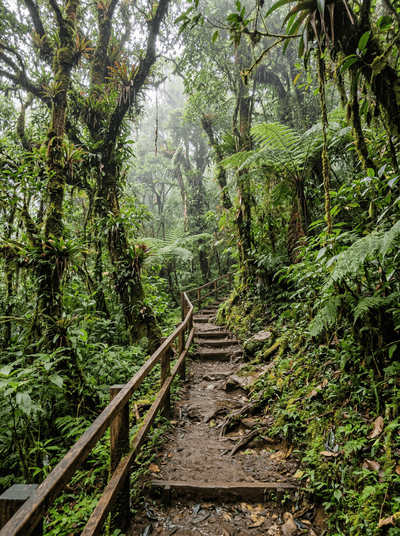
Sendero Los Quetzales
Panama
A cloud forest trail between two highland towns where resplendent quetzals flash through the mist.
La Amistad International Park
Panama
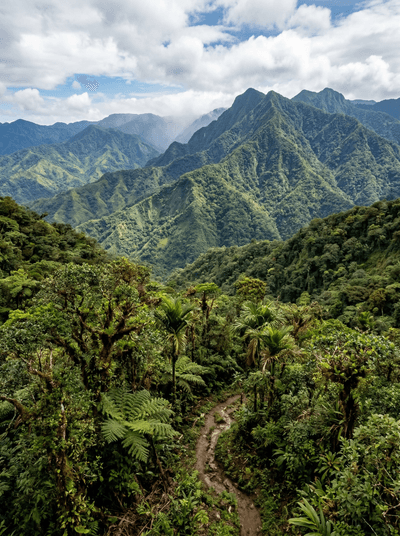
One forest, two countries, five kinds of wild cat moving through the cloud.