
Palau
Yapese Stone Money Quarries
Half-carved limestone discs in jungle where Yapese carvers quarried stone currency for the voyage home.
The limestone disc is still attached to the quarry wall, half-carved, its circular outline cut deep but never completed. Chisel marks score the surface in parallel grooves. Jungle has grown around and over it, roots curling across the stone like fingers holding it in place. Whoever was carving this disc stopped work and never came back. That was centuries ago.
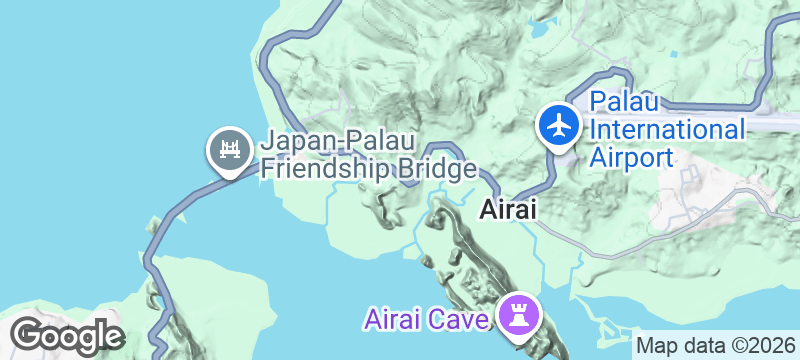
The Yapese Stone Money Quarries on Orrak Island in Palau are the source of one of the most extraordinary economic systems ever devised. From approximately the 13th century until the early 1900s, Yapese navigators paddled outrigger canoes 450 kilometres across open ocean to quarry limestone discs — some up to three metres in diameter — and sailed them back to Yap as rai, a form of stone currency whose value was determined partly by the difficulty of the voyage. Partially carved discs remain embedded in the quarry walls, each one a story abandoned mid-sentence. German colonial authorities banned the practice in the early 1900s, ending a tradition that had run for centuries. Orrak Island sits under thirty minutes by boat from Koror yet receives relatively few visitors, making this one of the Pacific's most accessible yet least-visited archaeological sites.
Solo
The quarries reward slow, contemplative exploration. Running your hand over 13th-century chisel marks while cicadas hum in the jungle overhead is the kind of solo travel moment that cannot be manufactured.
Couple
The boat ride to Orrak Island and the jungle walk to the quarry sites make this feel like a private expedition. The story of Yapese navigators risking open ocean for stone currency adds a layer of wonder that deepens conversation for days.
Family
Children grasp the concept of stone money immediately — it is strange enough to hold their attention and tangible enough to touch. The short boat ride and jungle trail are manageable for most ages, and the quarry story is one they will retell at school.
Friends
The debate starts on the boat ride over: why would anyone paddle 450 kilometres for a rock? By the time you are standing in front of an unfinished disc three metres wide, the answer feels obvious and the discussion has only just begun.
- Yapese navigators paddled 450km in hand-carved outrigger canoes to quarry limestone here — the discs, some up to 3m in diameter, were then sailed back to Yap as stone currency.
- Partially carved discs remain embedded in the quarry walls, abandoned mid-cut — each one is a story that ended without explanation.
- The quarries operated from approximately the 13th century until German colonial authorities banned the practice in the early 1900s, ending a tradition that had run for centuries.
- Orrak Island is under 30 minutes by boat from Koror and receives relatively few visitors despite holding one of the Pacific's most extraordinary economic histories.
The quarry story demands celebration: mangrove crab legs and cold Asahi at a Koror harbourfront restaurant.
Pack Koror sushi rolls and coconut water for the boat ride to the quarry sites.
Mindelo
Cape Verde
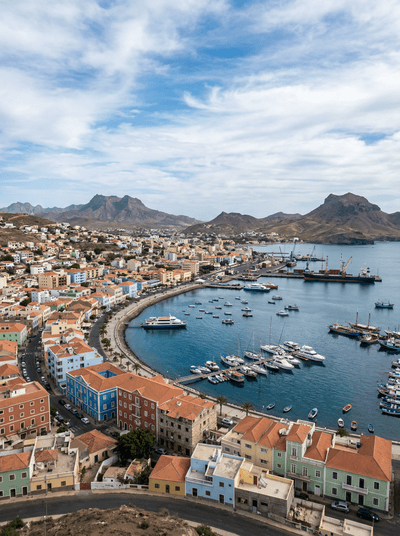
Morna music drifts from dimly lit bars where Cesária Évora once sang barefoot for sailors.
Cidade Velha
Cape Verde
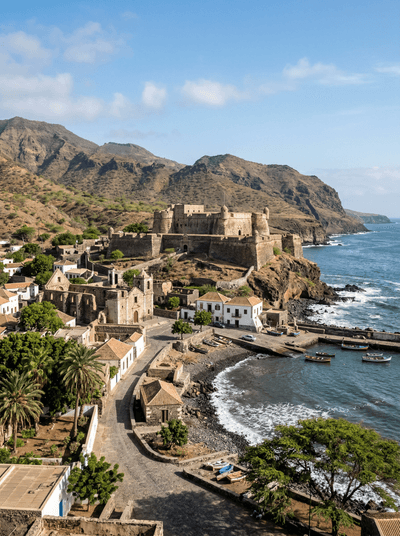
First colonial city in the tropics — a slave pillory still stands in the silent square.

Fukuoka
Japan
Yatai street stalls steaming under canvas where strangers share ramen at midnight.
Chiang Mai
Thailand
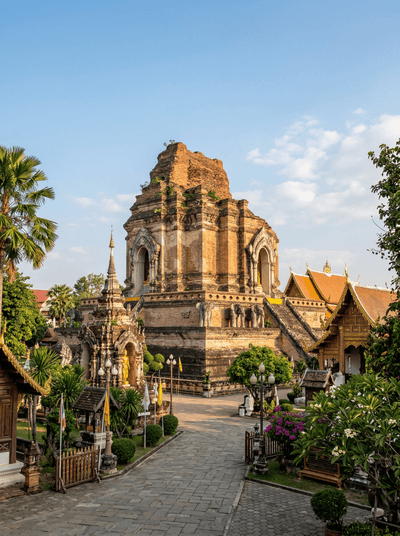
Monks in saffron robes walking barefoot past tattooed expats and ancient brick chedis at dawn.
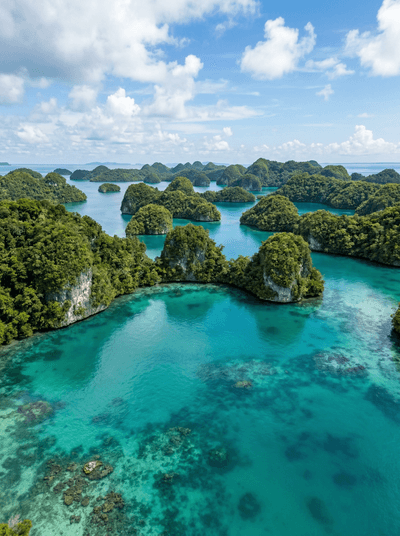
Rock Islands Southern Lagoon
Palau
Hundreds of mushroom-shaped limestone islands floating on water so clear the shadows have shadows.
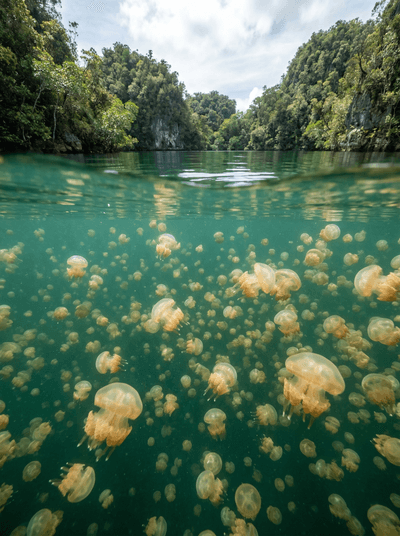
Jellyfish Lake
Palau
Float weightless among millions of pulsing golden jellyfish in a lake sealed for twelve thousand years.
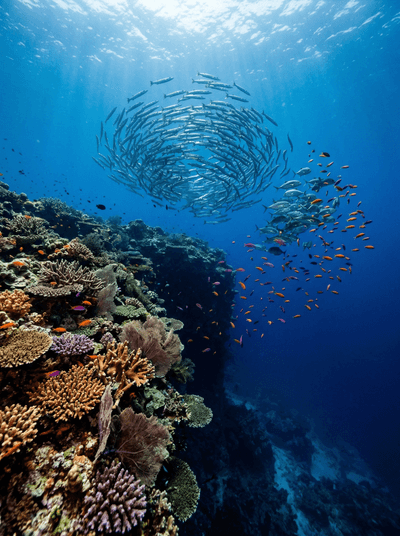
Blue Corner
Palau
Hook into the reef and hang in the current while grey reef sharks circle below.
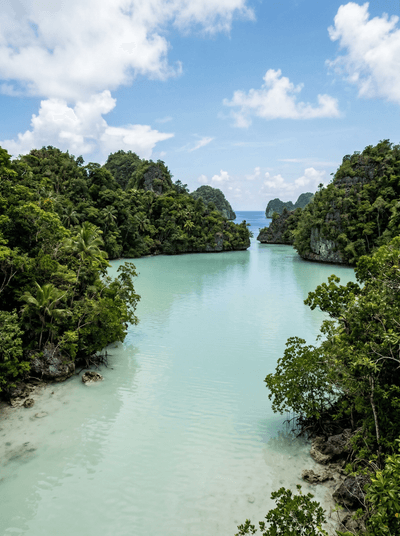
Milky Way Lagoon
Palau
A cove of white limestone mud that turns the water to milk and paints your skin.